Dynamic Career Paths Today
The beauty industry has always been closely connected to changing tastes, personal style, and culture. Today, it is moving faster than ever. New treatments appear. Social media turns niche trends into global phenomena almost overnight. Clients have more options for beauty and personal care than previous generations could have imagined.
For people thinking about their next career move, that makes beauty an interesting field to explore. It is not simply about working in a hair salon or learning how to apply makeup. The industry includes everything from skincare and nail services to product development, education, content creation, sales, and beauty technology.
Another major attraction is flexibility. Depending on the role, beauty professionals can work for established companies, join salons and spas, rent their own space, freelance, build a personal brand, or eventually open a business. So, what makes beauty such a dynamic career path? What does it take to get started? Let’s dig deeper.
Why Beauty Industry Jobs Keep Growing Across the US
Beauty is an extraordinarily wide-ranging industry, as it’s a mix of services that people use regularly and products and trends that are always shifting. It isn’t always a one-time investment when it comes to haircuts, coloring, skincare, nails, or other personal care treatments. Many come back every few weeks or months. This allows beauty professionals to develop a consistent client base.
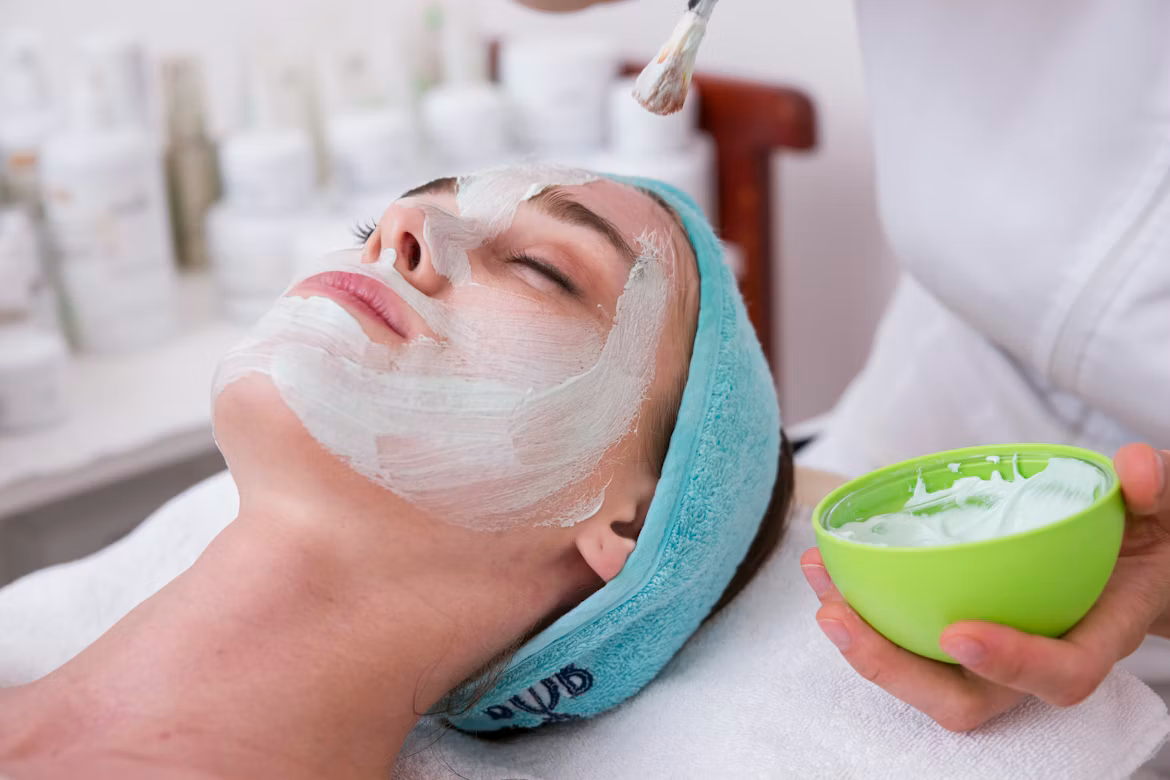
Meanwhile, the definition of beauty and personal care continues to grow. What was once thought of as a relatively specialized service is now more mainstream. Professionals have carved out more niches with their brows, lashes, advanced skin care, special hair care, nail art, and more.
Consumer expectations have also evolved. Clients are demanding personalized services more and more. Beauty professionals must have more than just technical skills. Communication and consultation are a major part of the job. It is as important to understand what the client wants as much as to perform the service.
The Wide Range of Roles Beyond the Salon Chair
Mention a career in beauty and the first image that comes to mind might be a stylist standing behind a salon chair. That is certainly one option. However, it is far from the only one. Modern beauty businesses need professionals across creative, technical, commercial, and educational roles. Depending on someone’s interests and qualifications, possible career directions can include hairstyling, cosmetology, nail services, makeup artistry, skincare, salon management, beauty education, and product sales.
Experienced professionals may become independent contractors, rent salon space, offer mobile services, or open their own studios. Others move into management and oversee scheduling, staff, customer service, inventory, and daily salon operations.
Beauty brands create another set of opportunities. Companies need educators who can demonstrate products, sales representatives who understand the professional market, marketing specialists, product developers, and people who can communicate effectively with salons and customers.
The result is a career field with plenty of different directions. Someone who enjoys direct interaction with clients may build a full appointment book. On the other hand, someone more interested in business or education can gradually move away from hands-on services.
What a Cosmetologist Career Looks Like Day to Day
The typical day of a cosmetologist is very different depending on their experience level, the services that they provide, and the location of their business. The day in a salon could start with checking appointments and setting up the workspace. The cosmetologist can then consult with the client before giving haircuts, styles, colors, and other services that he or she is trained and licensed in.
The service isn’t the work; it’s just a part of it. There are also elements of cleanliness, hygiene, and safety considerations, product management, client records, and some bookings and payment handling that cosmetologists must be able to do as well. Independent professionals are able to spend time ordering supplies, marketing themselves, managing social media, and handling the financial aspects of running a small business.
So, what does a cosmetologist do? A detailed look at the role on Jooble can help explain the typical tasks, responsibilities, and skills involved before deciding whether it feels like a good career fit. You can also find plenty of professional opportunities on that employment site.
How Social Media and Beauty Trends Keep Reshaping the Work
There is no industry quite like beauty that is affected by social media in such a manner. Whether it’s a specific nail style, skin care tip, morning hair routine, or makeup technique, TikTok, Instagram, YouTube, and others can make it a trend in a matter of moments. Clients know those trends, and they may want to experience them themselves. That comes with opportunities and pressure for beauty professionals.
The good news is that social media has made it easier to promote work without the complete use of traditional advertising. A hairstylist can put up before-and-after pictures. A nail artist can be able to provide in-depth designs. The makeup artist can create a portfolio that the client can look at before hiring him.
Trends move quickly. This requires professionals to continue their education. Techniques that were highly requested two years ago may become less popular. New styles begin to appear in the appointments every week. But it doesn’t necessarily mean that the professional has to follow every trend. It is crucial to have solid basic skills. But when you can understand what clients are seeing online, it can make it easier for you to communicate with the client and determine which new technique you should learn.
Social media has also changed how careers are built. Professionals are increasingly able to develop personal brands alongside their salon or freelance work. Over time, this can lead to partnerships, education opportunities, online courses, brand collaborations, or a larger independent client base.
Training, Cosmetology License Requirements, and First Steps Into the Field
Cosmetology has a more hands-on training path compared to some careers that require a four-year college degree. But this doesn’t imply that anyone would merely purchase a set of scissors and start to take clients professionally.
The United States has state-level licensing requirements. Therefore, the specific requirements can differ from one location to another. In most cases, students enrolled in a cosmetology program or training that’s approved by a state board and subsequently pass the state cosmetology examination and licensing standards will become cosmetologists.
The initial thing that should be done is to make sure to review the rules in the state in which you wish to practice. Check training requirements, acceptable schools or training programs, exams, costs, minimum age or education requirements, and license renewal requirements.
Choosing a training program is also about more than meeting the minimum licensing requirements. A strong program should offer ample hands-on experience and ease students into the reality of dealing with actual clients and salon environments. Once you’re qualified, the first job is not the last.
An entry-level position at a salon will offer valuable experience with clients and scheduling, products, and daily salon activities. Once they’ve obtained the certification, they can specialize, undertake further training, create a portfolio, and eventually determine their career path. Some may end up running businesses. Others may turn into teachers, managers, or specialists. Many may find a niche in the beauty industry that they never thought about when they began training.
About the Author