
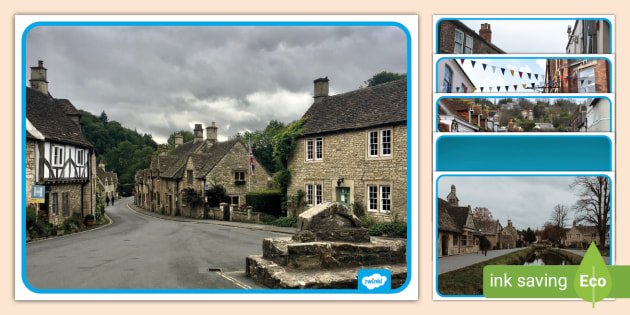
village vs town
When comparing a village vs town, it is important to understand how these two types of settlements differ in size, population, lifestyle, services, and opportunities. Villages and towns are both essential parts of human society. They provide places for people to live, work, raise families, build relationships, and contribute to the local economy. However, the daily experiences of people living in these places can be quite different.
A village is generally a small settlement with a relatively low population, a close-knit community, and a strong connection to the surrounding countryside. A town is usually larger and offers more shops, public services, educational institutions, healthcare facilities, and employment opportunities. Nevertheless, the exact differences depend on the country, local laws, and the history of the settlement.
Understanding the meaning of village vs town can help students, travelers, families, and anyone interested in geography recognize how communities develop and why people choose to live in different environments.
What Is a Village?
village vs town is a small human settlement, usually located in a rural area. Villages often have fewer residents than towns and may be surrounded by farmland, forests, hills, rivers, or other natural landscapes. Their economies traditionally depend on agriculture, livestock farming, fishing, handicrafts, and other local activities.
In many villages, residents know one another personally. Families may have lived in the same area for generations, creating strong relationships and shared traditions. Community members often participate in local celebrations, religious events, weddings, festivals, and other social gatherings.
Villages generally have fewer commercial establishments than towns. A village may have a small grocery shop, a primary school, a local market, a place of worship, and basic healthcare services. Residents may need to travel to a nearby town for specialized medical treatment, higher education, government services, or certain shopping needs.
However, not every village is isolated or underdeveloped. Some villages have modern roads, internet access, reliable electricity, good schools, and comfortable housing. Improvements in transportation and communication have made rural life more convenient in many parts of the world.
What Is a Town?
A town is a settlement that is generally larger and more developed than a village. Towns usually serve as commercial, administrative, educational, or transportation centers for surrounding communities. They may connect nearby villages with larger cities and provide services that are not available in smaller settlements.
Towns commonly have more shops, restaurants, offices, schools, banks, clinics, hospitals, and public transportation options than villages. Depending on their size and location, they may also contain industrial areas, shopping centers, entertainment venues, and government offices.
The population of a town is often more diverse because residents may move there from different villages and regions for work, education, or business. This diversity can introduce new ideas, lifestyles, languages, and cultural experiences.
Although towns offer more facilities, they are not necessarily as crowded or fast-paced as major cities. Many towns maintain a relaxed atmosphere while providing access to modern conveniences.
Towns can also vary significantly. Some are small market towns with a limited number of streets and businesses, while others have large populations and extensive infrastructure. The official definition of a town differs across countries, so population alone does not always determine whether a settlement qualifies as one.
Village vs Town: The Main Differences
The comparison between a village and a town becomes clearer when we examine several important characteristics.
1. Population and Size
One of the most noticeable differences between a village and a town is population size. Villages generally have fewer residents and cover a smaller built-up area. Their homes may be spread across farmland or grouped around a central road, market, or community building.
Towns usually have more residents, denser housing, and a wider range of neighborhoods. Their streets may contain residential buildings, commercial properties, schools, offices, and public facilities.
A smaller population can make village communities feel more personal. In towns, residents may have more opportunities to meet people from different backgrounds, although they may not know as many neighbors personally.
It is important to remember that these are general patterns rather than universal rules. Some villages have substantial populations, while some towns remain relatively small.
2. Lifestyle and Daily Routine
Village life is often associated with a slower pace and a closer relationship with nature. Residents may spend more time outdoors, work on farms, maintain gardens, or participate in traditional community activities. Daily routines can be shaped by agricultural seasons, local customs, and family responsibilities.
Town life often provides a greater variety of activities. Residents may work in offices, shops, factories, schools, healthcare facilities, or service businesses. They may have access to restaurants, gyms, libraries, sports facilities, and entertainment venues.
People who enjoy peaceful surroundings and familiar social relationships may prefer village life. Those who appreciate convenience, variety, and access to different services may find town life more suitable.
Neither lifestyle is automatically better. The best choice depends on a person’s priorities, responsibilities, financial circumstances, and personal preferences.
3. Employment Opportunities
Employment is another important factor in the village vs town comparison.
In villages, common occupations may include farming, animal husbandry, fishing, construction, small-scale trading, teaching, and local services. Some residents operate family businesses or produce handmade goods for local markets.
However, the range of available jobs can be limited. Young adults and skilled workers may need to commute or relocate to towns and cities to find employment that matches their qualifications.
Towns usually offer a broader employment market. Businesses may hire salespeople, accountants, teachers, healthcare workers, technicians, drivers, administrators, and hospitality staff. Industrial and commercial areas can also create additional opportunities.
At the same time, town residents may face stronger competition for desirable positions and higher living expenses. Village residents can also benefit from remote work, online businesses, tourism, and modern agricultural enterprises.
4. Education and Learning Facilities
Educational opportunities can differ considerably between villages and towns.
A village may have a primary school or a small secondary school. Children in remote areas sometimes travel long distances to attend classes, particularly when their preferred school or college is located elsewhere.
Towns tend to offer more educational options, including primary and secondary schools, private academies, vocational institutes, colleges, and sometimes universities. Students may also have greater access to libraries, tutoring centers, computer facilities, and extracurricular activities.
These additional choices can be valuable for students who want to pursue specialized subjects or professional qualifications.
Nevertheless, educational quality is not determined by location alone. Some village schools provide excellent teaching, while some town schools face overcrowding or limited resources. Internet access and online learning platforms are also expanding educational opportunities for students in rural communities.
5. Healthcare and Medical Services
Healthcare is an essential consideration when comparing a village vs town.
Villages may have a basic health center, a small clinic, a visiting medical professional, or limited emergency services. Residents sometimes need to travel to the nearest town for laboratory tests, specialist appointments, surgery, or advanced medical treatment.
Towns generally have more healthcare facilities. These may include private clinics, pharmacies, diagnostic laboratories, maternity services, dental practices, and hospitals. Larger towns may provide specialist care for conditions that cannot be treated locally.
Access to medical services can make town living especially attractive for older adults, families with young children, and people who require regular treatment.
However, the availability and quality of healthcare depend on local investment, staffing, transportation, and public health policies. A well-equipped rural clinic may serve its community better than an overcrowded facility in a larger settlement.
6. Cost of Living
The cost of living can influence whether someone chooses a village or a town.
In many areas, housing in villages is more affordable than housing in towns. People may have access to larger plots of land, gardens, or family-owned homes. Some households also grow food or raise animals, reducing certain expenses.
Town residents may pay more for rent, property, transportation, and everyday services. Commercial areas often have higher property values, and convenient access to facilities can increase housing costs.
However, village living is not always cheaper in every respect. Residents may spend more on transportation, fuel, or traveling to access healthcare, education, and employment. Limited local shopping options can also mean that some goods are more expensive.
Towns may offer more choices for shopping, which can make it easier to compare prices. The overall cost difference depends on the local economy, housing market, household needs, and distance from major services.
7. Transportation and Infrastructure
Villages often have fewer public transportation options than towns. Some rely on private vehicles, motorcycles, bicycles, shared vans, or informal transport services. Roads may be narrow, and remote settlements can experience difficulties during extreme weather.
Towns generally have more developed transportation networks. Residents may have access to buses, taxis, minibuses, railway stations, or other local transport services. Road connections can make it easier to travel between surrounding villages and larger cities.
Infrastructure also varies. Towns commonly have more extensive commercial electricity connections, water systems, drainage networks, telecommunications services, and waste collection. However, these services are not guaranteed in every town.
Modern development has improved infrastructure in many villages, but remote areas may still face challenges involving road quality, water supply, sanitation, and reliable internet access.
8. Social Life and Community Relationships
Village communities are often characterized by close personal relationships. Neighbors may know one another’s families, share resources, attend local events, and provide practical support during difficult times.
This sense of connection can create a strong feeling of belonging. However, close social networks may also mean that residents have less privacy, and traditional expectations can sometimes place pressure on individuals.
Towns usually offer a wider range of social groups and activities. Residents may meet people through workplaces, educational institutions, clubs, sports teams, religious organizations, and cultural events.
Because towns often attract people from different backgrounds, they can provide more opportunities to experience new cultures and develop professional or personal networks.
On the other hand, some people in towns may feel less connected to their neighbors. Building meaningful relationships can require more effort, especially in busy residential areas.
9. Environment and Surroundings
Villages are frequently associated with open spaces, agricultural land, trees, rivers, and natural scenery. Depending on their location, residents may enjoy cleaner air, quieter roads, and greater access to outdoor activities.
However, rural environments can also face problems such as agricultural pollution, poor waste management, water shortages, deforestation, and limited sanitation facilities.
Towns generally contain more buildings, paved roads, commercial areas, and traffic. These features can contribute to noise, congestion, and air pollution, particularly in rapidly growing settlements.
Nevertheless, towns may also have public parks, gardens, tree-lined streets, and environmental management programs. Good urban planning can make a town both convenient and pleasant to live in.
The environmental quality of a settlement depends on its geography, population density, industrial activity, public services, and development policies.
Advantages of Living in a Village
Village life offers several benefits for people who value space, community, and a connection with nature.
Peaceful surroundings: Villages often have less traffic and commercial noise than busy towns. This can create a calmer living environment.
Close community relationships: Residents may develop lasting friendships and receive support from neighbors and extended family members.
More open space: Houses may have gardens, yards, or nearby fields, providing room for outdoor activities.
Traditional culture: Villages can preserve local languages, crafts, customs, festivals, and traditional knowledge.
Potentially affordable housing: In some regions, property and rent are less expensive than in nearby towns.
Despite these advantages, village residents may have fewer local job opportunities, limited specialist healthcare, and less access to certain educational and commercial services.
Advantages of Living in a Town
Towns provide several advantages for people seeking convenience, career development, and access to public services.
Greater employment choice: Commercial businesses, offices, schools, hospitals, and industrial facilities can create a wider range of jobs.
Better access to services: Residents may find pharmacies, banks, supermarkets, clinics, and government offices nearby.
More educational options: Schools, colleges, training centers, and tutoring services may offer greater variety.
Convenient transportation: Towns often have better road connections and more public transport than remote villages.
Diverse social opportunities: Residents can participate in different activities, meet new people, and explore a wider range of interests.
However, towns may have higher housing costs, more traffic, increased noise, and less open space. Some residents may also experience greater competition for jobs and housing.
Village vs Town: Which Is Better for Families?
The answer depends on a family’s needs, budget, and long-term goals.
A village may be an excellent choice for families who prefer a quiet environment, have relatives nearby, own property, or work in agriculture and other rural industries. Children may enjoy outdoor space and close relationships with neighbors.
A town may be more suitable for families who need convenient access to schools, healthcare facilities, shops, and a wider range of employment opportunities. It may also provide more choices for children’s extracurricular activities and future education.
Parents should consider the quality of nearby schools, transportation, safety, healthcare access, housing costs, and available employment before making a decision.
For some families, living in a village near a town provides a useful balance between peaceful surroundings and convenient access to essential services.
Village vs Town in Developing and Developed Countries
The meaning of village vs town can vary considerably between countries.
In developing countries, villages may depend heavily on agriculture and traditional industries, while towns often serve as regional markets, transportation hubs, and centers for education and administration. Rural communities may face challenges involving infrastructure, employment, and access to public services.
In developed countries, many villages have modern roads, high-speed internet, reliable utilities, and easy access to nearby urban areas. Some villages attract people who work remotely or prefer rural living without giving up modern conveniences.
Similarly, towns in different countries may vary in population, governance, architecture, and economic activity. A settlement considered a town in one country might be classified differently in another.
Therefore, it is more accurate to compare villages and towns by examining their actual characteristics rather than assuming that every village is poor or every town is highly developed.
How Villages and Towns Support Each Other
Villages and towns are not separate worlds. They often depend on each other for economic growth, food production, employment, and essential services.
Villages may supply agricultural products, dairy goods, livestock, timber, handicrafts, and other materials to town markets. Towns provide access to wholesalers, retailers, educational institutions, healthcare facilities, banks, and administrative services.
Many people travel between villages and towns every day for work, school, shopping, and medical appointments. Businesses in towns may depend on customers from nearby villages, while rural producers rely on town markets to sell their products.
Improved transportation, digital communication, and public investment can strengthen these relationships. When both types of settlements receive appropriate development, they can contribute to a more balanced regional economy.
Frequently Asked Questions About Village vs Town
Is a village smaller than a town?
village vs town, yes. A village usually has a smaller population and fewer commercial facilities than a town. However, official classifications differ from country to country, so there is no single population threshold that applies everywhere.
What is the main difference between a village and a town?
The main difference usually involves settlement size, population, available services, and economic activity. Villages tend to be smaller and more rural, while towns usually offer more businesses, public facilities, and employment opportunities.
Is village life better than town life?
Neither is universally better. Village life may appeal to people who value peace, space, and close community relationships. Town life may suit people who prioritize employment, education, healthcare, and convenient access to services.
Are towns more developed than villages?
Towns often have more extensive infrastructure and public services, but this is not always true. Some villages are well developed, while some towns lack reliable utilities, adequate healthcare, or good transportation.
Can a village become a town?
Yes. A village may grow into a town as its population increases, businesses expand, infrastructure improves, and administrative authorities change its official status. The process and legal requirements depend on the country.
Is a town the same as a city?
No, not necessarily. Towns are generally smaller than cities and often have fewer large commercial, administrative, or industrial facilities. However, the distinction varies according to local laws and historical traditions.
Conclusion
The comparison of village vs town reveals two important ways in which people organize their communities and daily lives. Villages generally offer smaller populations, closer social relationships, open spaces, and a stronger connection with rural surroundings. Towns usually provide more employment choices, educational facilities, healthcare services, commercial activity, and transportation options.
Both have advantages and disadvantages. Village residents may enjoy peaceful surroundings and affordable housing but face challenges when essential services are far away. Town residents may benefit from convenience and greater opportunities but experience higher costs, traffic, and a busier environment.
Ultimately, choosing between a village and a town depends on individual priorities, family needs, work opportunities, financial circumstances, and lifestyle preferences. Rather than viewing one as superior to the other, it is better to recognize that villages and towns play complementary roles in society. Together, they support communities, preserve cultural traditions, encourage economic development, and create diverse places for people to build their lives.
About the Author