You stretch your shoulders, take a short walk, maybe use a heat pack, and the tightness settles down. Then two days later, it’s back. The same stiff neck. The same aching lower back. The same stubborn spot between your shoulder blades.
Recurring muscle tension is common, especially when work, exercise, stress, or repetitive movements keep asking the same muscles to do the same job. Massage therapy can be useful for easing soreness and tension, but getting the most from it means understanding what massage can do and what may be causing the problem to return.
Why Muscles Can Feel Tight Again and Again
Muscles don’t work in isolation. They respond to how you sit, move, train, sleep, and handle physical stress.
Imagine spending most of your workday at a computer. Your shoulders may gradually creep upward, your head moves forward toward the screen, and your upper back stays in roughly the same position for hours. Even if nothing is technically “injured,” those muscles can feel tired and uncomfortable by the end of the day.
Exercise creates a different kind of demand. A harder-than-usual gym session, long run, weekend sports match, or sudden increase in training can leave muscles sore afterward.
Then there’s stress. Some people unconsciously tense their jaw, shoulders, or neck when they’re under pressure. You may not notice yourself doing it until the muscles start complaining.
Massage can address some of that tension, although the habits contributing to it may also need attention.
What Massage Therapy Actually Does
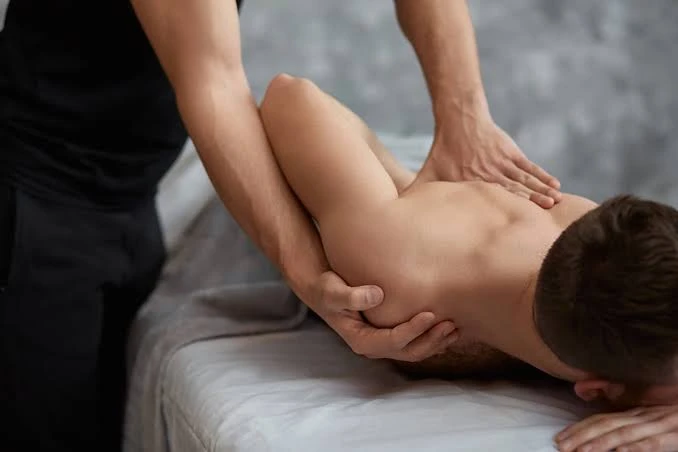
Massage therapy involves applying pressure and movement to soft tissues such as muscles and tendons. The exact approach can vary considerably depending on why you’re having treatment.
A relaxation-focused session might use gentler, broader movements. Treatment aimed at a particularly tight area may involve more focused pressure or techniques directed at specific muscles.
People commonly seek massage because of:
- Neck and shoulder tension
- Back discomfort
- General muscle soreness
- Stiffness after physical activity
- Sports-related muscle soreness
- Tightness associated with repetitive work
- A desire to relax and reduce stress
The right approach isn’t necessarily the hardest massage you can tolerate. More pressure doesn’t automatically produce a better result.
If you’re considering professional treatment, massage therapy by Enhanced Physio is one option for people looking for hands-on treatment for muscle tension, soreness, and related concerns.
Massage Doesn’t Have to Hurt to Be Useful
There’s a persistent idea that a massage needs to hurt before it can help.
That’s not a particularly useful rule.
Some areas may feel tender when they’re worked on, particularly after heavy exercise or when they’ve been uncomfortable for a while. But you should still be able to communicate with your therapist and ask for the pressure to be changed.
Think of pressure as something that can be adjusted rather than a toughness test.
A therapist may use firmer techniques in one area and lighter pressure somewhere else. What feels appropriate can also change from one appointment to another. Your calves after a hard run may tolerate treatment very differently from your neck during a headache or particularly stressful week.
Speak up if something feels wrong rather than assuming you’re supposed to endure it.
Why You Might Feel Better but Tighten Up Again
This is where expectations matter.
Suppose your shoulders feel significantly better after massage. On Monday morning, however, you return to the same desk, sit for several hours without moving much, and repeat that routine all week.
It shouldn’t be surprising if the tension eventually returns.
Massage may help reduce discomfort or make movement feel easier, but it doesn’t automatically change your workstation, training schedule, movement habits, strength, or recovery routine.
The same principle applies to sports.
If your legs repeatedly become sore because you’ve increased your running distance too quickly, massage might make the soreness more manageable. It doesn’t remove the training load that caused the muscles to become sore in the first place.
That doesn’t make the treatment pointless. It simply means symptom relief and addressing the cause aren’t always the same thing.
Massage Can Be One Part of a Bigger Plan
Recurring problems sometimes need more than one approach.
Someone with occasional shoulder tension after a stressful week may find massage alone is enough for what they want. Someone whose back pain has returned every few weeks for six months may benefit from looking more closely at what triggers it.
Depending on the situation, that broader approach could involve exercise, strengthening, changing training loads, taking more movement breaks during work, improving mobility, or getting a professional assessment.
This is particularly relevant when discomfort is interfering with ordinary activities.
If you’ve started avoiding exercise, changing how you walk, struggling to turn your head while driving, or waking because of pain, simply treating the tight spot repeatedly may not tell the whole story.
What About Massage After Exercise?
Post-workout massage is popular, but expectations should stay realistic.
Research suggests massage may provide some benefit for delayed onset muscle soreness, the aching and tenderness that can appear after unfamiliar or strenuous exercise. Evidence that massage directly improves athletic performance is much less convincing.
That’s an important distinction.
Feeling less sore can certainly make the days after training more comfortable. But massage isn’t a shortcut that replaces sensible training, sleep, nutrition, or recovery time.
For recreational athletes, the practical benefit may be simpler: massage can be an enjoyable way to manage soreness and feel more comfortable between activities.
Pay Attention to Patterns, Not Just Pain
When discomfort keeps returning, start noticing when it happens.
Does your neck become tight after three hours at the computer? Do your calves complain the morning after running? Does your lower back feel stiff after long drives? Do your shoulders become tense during particularly stressful weeks?
Those details can be more useful than simply saying, “My back hurts.”
You don’t need to keep an elaborate diary. Just paying attention to timing, activities, and changes in symptoms can help you identify obvious triggers.
It can also give a therapist or other healthcare professional better information to work with.
Know When Massage Isn’t the First Step
Not every painful area should immediately be massaged.
New or unexplained severe pain deserves more caution, particularly if it follows a significant injury. Symptoms such as substantial swelling, suspected fractures, numbness, unusual weakness, signs of infection, or worsening pain may require medical assessment.
Certain health conditions and medications can also affect whether massage is appropriate or how it should be performed.
If you’re unsure, tell the therapist about your medical history, recent injuries, medications, and current symptoms before treatment begins. When necessary, check with your doctor or another qualified healthcare professional first.
Give Your Muscles More Than a Temporary Reset
Massage can be useful when your body feels sore, stiff, or overloaded, and it can also simply be a relaxing part of looking after yourself. The key is not expecting one session to erase every reason your muscles became uncomfortable.
If the same tightness keeps returning, look at the pattern surrounding it. Your work setup, exercise load, daily movement, recovery, and stress can all play a part.
Massage may help settle the immediate discomfort. Understanding what keeps bringing that discomfort back can help you decide what needs to change next.
About the Author