Introduction
For many people, the thought of dental surgery can trigger feelings of anxiety and uncertainty. Concerns about discomfort, long recovery times, and fear of the unknown have historically kept some patients from seeking timely treatment. Fortunately, modern dentistry has undergone significant changes in recent years, with a strong focus on improving patient comfort before, during, and after surgical procedures.
Today’s dental practices combine advanced technology, enhanced pain-management techniques, and patient-centered care approaches to create a more comfortable experience than ever before. Whether patients require tooth extractions, dental implants, corrective jaw procedures, or other treatments, they can benefit from innovations designed to reduce stress and improve outcomes.
Here are seven advances in patient comfort that are transforming dental surgery experiences and helping patients feel more confident about receiving the care they need.
Advanced Digital Imaging for Better Treatment Planning
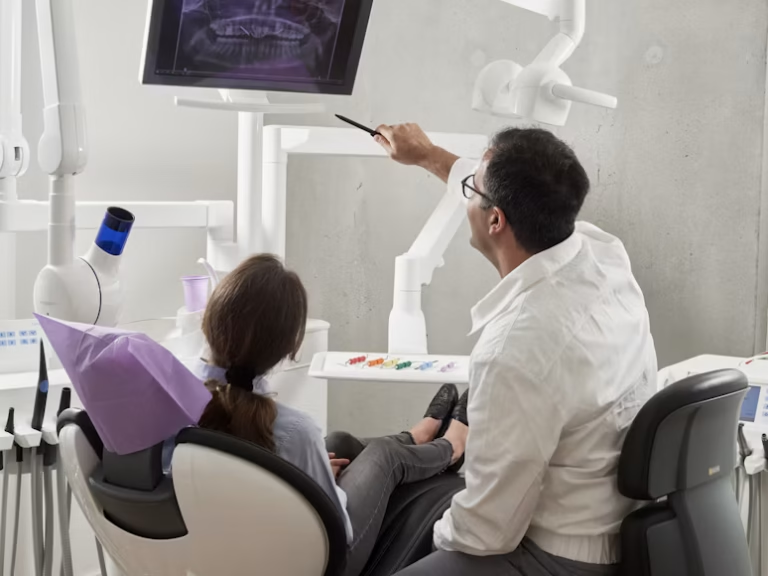
One of the most significant developments in dental surgery is the use of advanced digital imaging technology. Traditional X-rays provided valuable information, but modern 3D imaging systems offer far greater detail and accuracy.
Cone beam computed tomography (CBCT) scans allow dental professionals to view teeth, bone structures, nerves, and surrounding tissues from multiple angles. This detailed planning helps surgeons identify potential challenges before treatment begins.
As a result, procedures can often be performed with greater precision and efficiency. Patients benefit from more predictable outcomes, fewer complications, and reduced procedural time. Knowing that treatment has been carefully planned also helps alleviate anxiety and builds confidence in the surgical process.
Improved Sedation Options Reduce Anxiety
Dental anxiety remains a common concern, but today’s sedation options make surgical procedures much more comfortable for nervous patients. Modern dental practices offer various levels of sedation tailored to individual needs and treatment complexity.
Options may include nitrous oxide, oral conscious sedation, intravenous sedation, and other approaches recommended by qualified professionals. These solutions help patients remain calm and relaxed throughout treatment.
Patients who once delayed important dental procedures due to fear can now undergo surgery with significantly less stress. Enhanced sedation protocols not only improve comfort but also enable many treatments to be completed more efficiently from both the patient’s and the provider’s perspective.
Minimally Invasive Surgical Techniques
Advancements in surgical methods have led to less invasive procedures across many areas of dentistry. Modern instruments and techniques allow clinicians to preserve more healthy tissue while effectively addressing dental concerns.
Smaller incisions and more precise surgical approaches often result in reduced swelling, less bleeding, and faster healing. Patients generally experience less discomfort during recovery and can return to their normal activities sooner.
For example, procedures such as dental implant placement and certain extraction techniques have become increasingly refined, minimizing trauma to surrounding tissues. These improvements contribute to a more positive overall surgical experience and better long-term results.
Enhanced Comfort During Tooth Extractions
Tooth extraction procedures have become significantly more patient-friendly thanks to advancements in diagnostics, anesthesia, and surgical equipment. Dental specialists can now perform extractions with greater accuracy and efficiency than in the past.
This is particularly beneficial for patients undergoing procedures such as wisdom teeth extraction in Chino Hills, CA, where advanced planning and modern surgical techniques can help minimize discomfort and support a smoother recovery process. By combining imaging technology with effective pain-management strategies, dental professionals can create a more comfortable experience from start to finish.
Patients are also receiving more comprehensive pre-procedure education, which helps reduce uncertainty and promotes realistic expectations about treatment and recovery.
Personalized Pain Management Strategies
Pain management has evolved considerably in modern dental surgery. Rather than using a one-size-fits-all approach, providers increasingly develop individualized comfort plans based on each patient’s medical history, treatment type, and personal preferences.
Advanced local anesthetics, longer-lasting numbing agents, and carefully coordinated post-operative care plans help control discomfort at every stage of treatment. Patients receive detailed instructions and appropriate medications when needed to support recovery.
This personalized approach improves comfort while helping patients feel more involved in their care. When individuals understand what to expect and have access to effective pain-management options, they often experience less stress before and after surgery.
Digital Communication and Patient Education Tools
Access to information plays a major role in patient comfort. Modern dental practices use digital communication tools to keep patients informed throughout the treatment process.
Online consultations, educational videos, digital treatment presentations, and secure messaging systems allow patients to ask questions and better understand their procedures before surgery. This improved communication helps eliminate uncertainty and reduces fear associated with the unknown.
Patients can review treatment plans, recovery instructions, and care guidelines at their convenience. Being well-informed empowers patients to participate actively in their care and approach treatment with greater confidence.
Faster Recovery Through Modern Post-Operative Care
Recovery is an essential part of the patient experience, and recent advancements have significantly improved post-surgical healing. Modern practices focus on minimizing complications while promoting faster and more comfortable recoveries.
Detailed aftercare protocols, improved wound-management techniques, and specialized healing materials help support optimal outcomes. Many patients also benefit from follow-up monitoring systems that allow providers to track progress and address concerns promptly.
In addition, enhanced patient education encourages proper home care, reducing the likelihood of complications and helping individuals recover more comfortably. Faster healing often translates into less disruption to daily routines and an overall better experience.
Conclusion
Dental surgery has come a long way from the experiences many patients may remember from years past. Thanks to technological innovations and patient-focused care models, modern procedures are safer, more precise, and significantly more comfortable.
From advanced imaging and personalized sedation options to minimally invasive techniques, improved pain management, and enhanced recovery protocols, today’s dental practices are transforming how patients experience surgical treatment. These advancements not only improve physical comfort but also reduce anxiety and build trust throughout the treatment journey.
As dental technology continues to evolve, patients can look forward to even more comfortable and efficient care, making it easier than ever to receive the treatment necessary for maintaining long-term oral health and overall well-being.
About the Author