Iron deficiency can creep up on you. At first, you might blame your tiredness on a busy week, poor sleep, or simply doing too much. Then climbing a flight of stairs feels harder than it should, concentrating takes more effort, and your usual energy doesn’t seem to come back.
For some people with confirmed iron deficiency, an iron infusion may be recommended when tablets aren’t suitable, haven’t worked well enough, or when iron needs to be replaced more quickly. But an infusion is still a medical treatment, so choosing where to have it done deserves more thought than simply booking the first available appointment.
Here’s what you should consider before choosing an iron infusion service.
Start With Proper Blood Tests and Medical Assessment
Feeling tired doesn’t automatically mean you’re low in iron. Fatigue has plenty of possible causes, which is why blood tests and a medical assessment matter before treatment.
Doctors may look at results such as haemoglobin, ferritin and other iron studies alongside your symptoms and medical history. The aim isn’t simply to confirm that your iron is low. It’s also useful to understand why it became low in the first place.
Iron deficiency can sometimes be linked to blood loss, dietary factors, pregnancy, problems absorbing iron, or an underlying medical condition. Replacing iron may address the deficiency, but identifying the cause can be just as important for preventing the problem from returning.
A good service shouldn’t treat an iron infusion as a casual wellness procedure. There should be a clear medical reason for giving it.
Why Someone Might Need an Iron Infusion
Oral iron tablets are commonly used to treat iron deficiency, but they aren’t suitable for everyone.
Some people experience digestive side effects such as nausea, constipation or abdominal discomfort. Others may take oral iron correctly but still struggle to restore their iron stores because their body doesn’t absorb enough of it.
There are also situations where a doctor may decide that replacing iron more quickly is appropriate.
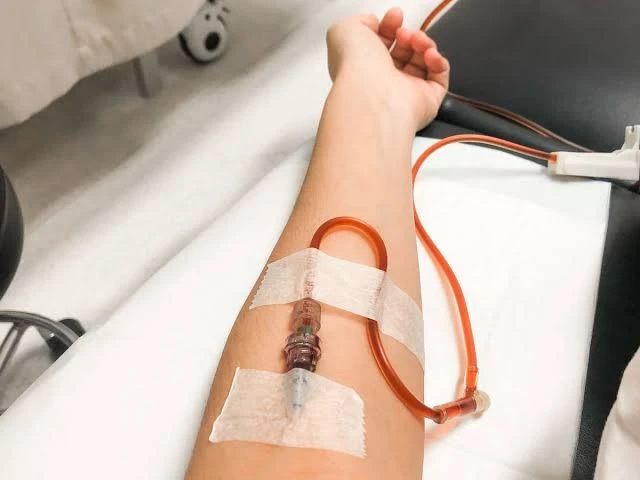
An iron infusion delivers iron intravenously, meaning it goes directly into the bloodstream rather than passing through the digestive system. The exact dose and treatment plan depend on the person’s blood results, health history and the iron preparation being used.
This is why two patients with low iron shouldn’t assume they’ll receive exactly the same treatment.
What Makes an Iron Infusion Service Worth Considering?
When comparing best iron infusion services, focus less on marketing language and more on how the clinic handles assessment, administration and patient monitoring.
Medical Supervision
Iron infusions should be provided in an appropriate clinical environment by healthcare professionals trained to administer intravenous treatments and respond if a reaction occurs.
Before treatment, staff should know about relevant medical conditions, previous reactions, medications and allergies. You should also have an opportunity to ask questions rather than feeling rushed straight into the procedure.
Clear Information Before the Appointment
You shouldn’t have to arrive wondering what will happen.
A well-run service should explain any preparation requirements, what you may need to bring, approximately how the appointment works and what happens after the infusion.
Instructions can vary depending on the clinic and the prescribed treatment, so follow the advice given by your own healthcare provider rather than relying on someone else’s experience.
Monitoring During Treatment
Although many people complete iron infusions without serious problems, intravenous iron can cause side effects and, less commonly, more significant reactions.
That’s one reason monitoring matters.
Staff should be able to observe how you’re responding during treatment and give you instructions about symptoms that should be reported immediately. Depending on the treatment protocol, you may also be monitored for a period after the infusion has finished.
What Happens During an Iron Infusion?
The details can vary, but the basic process is fairly straightforward.
A healthcare professional inserts a small intravenous cannula, usually into a vein in your arm or hand. The prescribed iron preparation is then administered through the IV.
The time required depends on the medicine, dose and clinic protocol. Your overall appointment may take longer than the infusion itself because preparation and observation can be part of the visit.
You may be able to sit comfortably, read or use your phone while the infusion is running. Staff will generally remain available to check on you and respond if you start feeling unwell.
If something doesn’t feel right, say so. Don’t assume you need to tolerate an unusual symptom simply because you’re in the middle of treatment.
Ask About Possible Side Effects
Every medical treatment has potential risks, and iron infusions are no exception.
Depending on the iron preparation and the individual patient, possible effects can include headache, nausea, flushing, dizziness or discomfort around the IV site. Other reactions can occur, including uncommon but potentially serious hypersensitivity reactions.
Your healthcare professional should explain the relevant risks before treatment and tell you what symptoms need attention.
There’s also a practical reason to discuss side effects beforehand: knowing what is expected and what isn’t can make the appointment much less stressful.
Don’t Expect an Instant Energy Boost
It’s tempting to imagine walking out of the clinic feeling completely different. That’s not necessarily how iron replacement works.
An infusion supplies iron, but your body still needs time to use that iron. How quickly symptoms improve can vary depending on the severity of the deficiency, whether anaemia is present, the underlying cause and other health factors.
Some people may notice changes sooner than others.
This is also why follow-up matters. Feeling better is useful, but repeat blood tests may be recommended to check how your body has responded and whether your iron levels have improved as expected.
Think Beyond the Infusion Itself
The treatment shouldn’t necessarily end when the IV is removed.
If your iron became low because of an ongoing issue, replacing it once may not prevent another deficiency. Your doctor may recommend further investigation, dietary changes, follow-up testing or treatment for whatever caused the iron loss.
For example, repeatedly needing iron replacement without understanding why your levels keep falling deserves medical attention.
This is where continuity of care can make a real difference. A clinic that can review your history, arrange appropriate follow-up and discuss results gives you more context than a treatment-only appointment.
Questions to Ask Before Booking
You don’t need a huge checklist, but a few practical questions can tell you a lot about a service.
Ask whether you need a consultation or blood tests before the infusion. Find out who administers the treatment and what monitoring is provided. Check how long you should allow for the appointment and whether there are any preparation instructions.
You can also ask what happens if you experience a reaction, when follow-up blood tests may be needed, and who you should contact if you have concerns after leaving.
The cost is worth clarifying beforehand too. Ask what the quoted fee includes so there aren’t unexpected charges on the day.
Choose Medical Care, Not Just Convenience
Iron infusions can be a useful treatment for appropriately selected patients, particularly when oral iron isn’t suitable or hasn’t produced the desired response. Convenience matters, but it shouldn’t be the only reason you choose a clinic.
Look for a service that starts with proper assessment, explains the procedure clearly, provides appropriate medical supervision and has a sensible plan for follow-up.
Most importantly, remember that low iron is more than a number on a blood test. Finding out why your iron is low and treating that underlying issue can be every bit as important as replacing the iron itself.
About the Author