city vs town
When people talk about where they live, they often use words such as city, town, village, or community. These terms may sound simple, but the differences between them can sometimes be confusing. A city and a town can both have homes, businesses, schools, roads, parks, and public services, yet they often differ in size, population, infrastructure, economy, and lifestyle.
Understanding city vs town is useful for anyone thinking about moving, studying, starting a business, traveling, or simply learning more about how communities are organized. Although there is no single worldwide rule that separates a city from a town, several common characteristics can help explain the difference.
What Is a City?
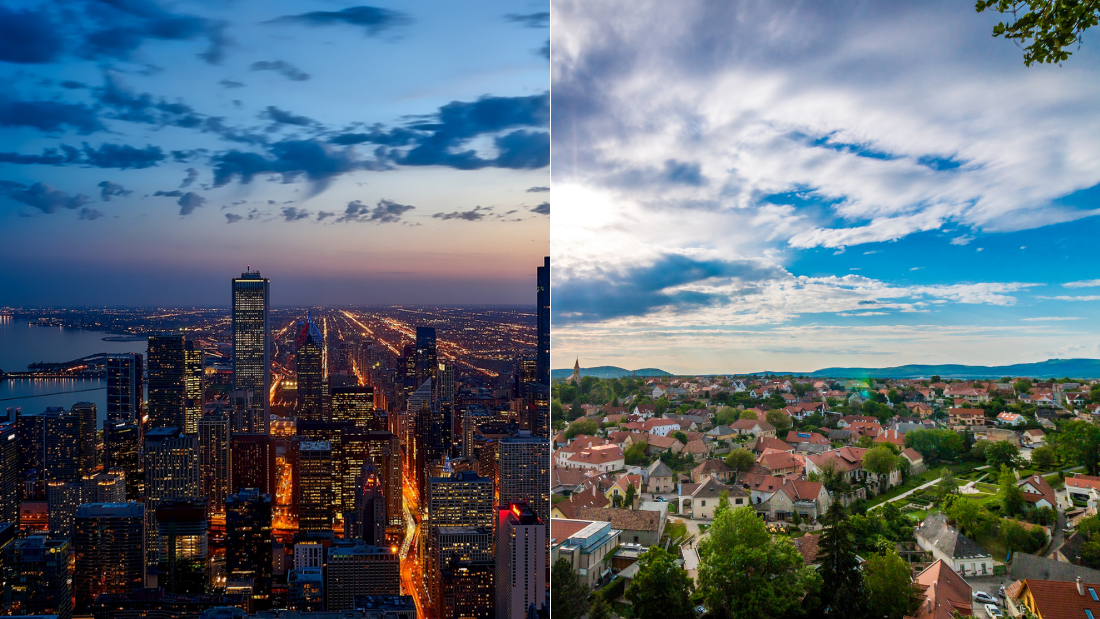
A city vs town is generally a larger and more densely populated urban area. Cities often serve as important centers for business, government, education, transportation, culture, and entertainment. They usually have a wider range of services and facilities than smaller communities.
Large cities may contain thousands, hundreds of thousands, or even millions of residents. Because of their population, cities need complex systems to support everyday life. These systems can include public transportation, major hospitals, universities, highways, airports, government offices, shopping districts, and large commercial centers.
Cities also tend to have diverse economies. People may work in technology, finance, manufacturing, healthcare, education, tourism, retail, construction, media, and many other industries. This variety can create more employment opportunities, although competition for jobs can also be stronger.
What Is a Town?
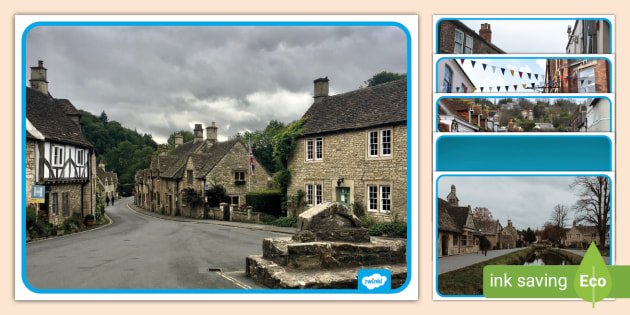
A town is usually smaller than a city and has a lower population density. Towns can still have many of the services people need, including schools, clinics, supermarkets, restaurants, banks, government offices, and recreational spaces.
The atmosphere of a town is often more relaxed than that of a major city. Residential neighborhoods may be quieter, roads may be less crowded, and people may have easier access to open spaces.
However, a town should not be considered simply a smaller version of a city. Towns can have their own economies, histories, cultures, and identities. Some towns are important commercial or industrial centers despite having relatively small populations.
City vs Town: Population
One of the most obvious differences in the city vs town comparison is population.
Cities generally have more residents than towns. A large population creates greater demand for housing, transportation, schools, healthcare, entertainment, and public services. This is why cities often have apartment buildings, large residential developments, busy commercial districts, and extensive road networks.
Towns usually have fewer residents, although the exact population threshold varies from one country or region to another. In some places, a community may officially be called a town even if it has a substantial population. In other places, a relatively small community may receive city status for historical or legal reasons.
Therefore, population alone does not always determine whether a place is officially a city or town.
City vs Town: Size and Density
Cities are generally larger and more densely developed. Buildings may be located close together, and land is often used intensively for homes, offices, stores, factories, schools, and public facilities.
Towns usually have more space between different areas. Houses may have larger yards, and agricultural land or natural areas may be located closer to residential neighborhoods.
This difference in density can influence everyday experiences. City residents may live in apartments or smaller homes because land is expensive and limited. Town residents may have more opportunities to live in detached houses with additional outdoor space.
Transportation Differences
Transportation is another important part of the city vs town discussion.
Cities commonly have extensive transportation networks. Depending on the location, residents may use buses, trains, subways, trams, taxis, bicycles, or ride-sharing services. Major cities may also have airports and large railway stations connecting them to other regions and countries.
Towns usually have fewer public transportation options. Many residents depend more heavily on private cars, motorcycles, bicycles, or local buses.
Traffic can also be very different. Major cities often experience congestion during peak hours because large numbers of people travel to work, school, and commercial areas at the same time. Towns typically experience less severe traffic, although busy roads can still become crowded.
Employment Opportunities
Cities often provide a broader range of career opportunities. Large companies, government departments, universities, hospitals, financial institutions, technology firms, and international organizations are frequently concentrated in urban areas.
For ambitious professionals, this can be a major advantage. Cities can make it easier to find jobs in specialized industries and connect with people working in the same field.
Towns may have fewer specialized employment opportunities, but they can still offer strong local economies. Common industries may include retail, education, healthcare, agriculture, tourism, manufacturing, construction, and small businesses.
Remote work has also changed this traditional difference. People who work online may be able to live in a town while working for a company based in a major city.
Cost of Living
The cost of living is another major factor when comparing a city and a town.
Cities can be expensive, particularly in popular or rapidly growing areas. Housing costs, transportation, dining, entertainment, and other daily expenses may be higher because demand is strong and available space is limited.
Towns can sometimes offer more affordable housing and a lower overall cost of living. However, this is not true everywhere. Some attractive towns near major metropolitan areas can be extremely expensive.
The best choice depends on local housing prices, wages, transportation costs, taxes, and everyday expenses.
Lifestyle and Community
The lifestyle difference between a city and a town can be significant.
City life is often fast-paced. Residents may have access to countless restaurants, stores, concerts, museums, sporting events, cinemas, festivals, and cultural activities. There is usually something happening at almost every hour of the day.
Town life is often associated with a slower pace. People may have easier access to nature and quieter neighborhoods. Community relationships can also feel stronger because residents may regularly see familiar faces at local shops, schools, parks, and community events.
That does not mean every city is impersonal or every town is friendly. Individual communities vary greatly.
Education and Healthcare
Cities generally offer a larger selection of educational institutions and healthcare facilities.
A major city may have universities, specialized colleges, research institutions, large hospitals, private clinics, and specialist medical centers. This can be especially important for people who need specialized education or healthcare.
Towns usually have schools and basic healthcare services, but residents may need to travel to a larger city for highly specialized treatment or advanced educational programs.
At the same time, smaller communities can provide more personal relationships between residents and local service providers.
Entertainment and Culture
Entertainment is one area where cities often have a clear advantage.
A large city may offer theaters, art galleries, museums, music venues, professional sports, shopping centers, restaurants serving international cuisines, and major cultural festivals.
Towns generally have fewer large entertainment venues. However, they can have their own cultural attractions, including historic buildings, local festivals, community theaters, markets, parks, and traditional events.
For someone who enjoys constant activity and variety, a city may be appealing. For someone who prefers peaceful recreation and local events, a town may be a better fit.
Nature and Open Space
Towns often have an advantage when it comes to access to open space. Parks, farmland, forests, rivers, lakes, and countryside can be located close to residential areas.
Cities certainly have parks and green spaces, but urban development can limit the amount of natural land available. Some cities have worked to create more green spaces through public parks, walking paths, urban gardens, and recreational areas.
People who enjoy hiking, gardening, outdoor activities, or simply having more space may prefer town living.
Business Opportunities
Cities can be attractive locations for businesses because they provide access to large customer markets, skilled workers, transportation networks, investors, and business services.
A restaurant, technology company, retail store, or professional service may find a large potential customer base in a city.
Towns can offer different advantages. Competition may be lower, operating costs may be more manageable, and local businesses can build strong relationships with customers. A small business that understands the needs of its community can become an important part of local life.
Are Cities Always Better Than Towns?
No. There is no universal winner in the city vs town debate.
The better choice depends on a person’s priorities. Someone building a career in a specialized industry may benefit from living in a city. A family looking for a quieter environment and more living space might prefer a town.
Young adults may enjoy the social opportunities and independence associated with urban life. Retirees or people seeking a peaceful lifestyle may appreciate the slower pace of a smaller community.
Personal preferences matter more than the label attached to a location.
Can a Town Become a City?
Yes, depending on local laws and government systems. Communities can grow significantly over time as their populations increase and their economies develop.
Growth can lead to new housing, businesses, schools, hospitals, roads, and transportation systems. Eventually, a town may qualify for or receive official city status.
However, becoming a city is not always simply a matter of population. Legal definitions and administrative requirements differ between countries and even between regions within the same country.
City vs Town: Which One Should You Choose?
Choosing between a city vs town and a town starts with understanding your personal needs.
If you value career opportunities, public transportation, entertainment, cultural diversity, and easy access to specialized services, a city may be the better choice.
If you value quiet neighborhoods, open spaces, potentially lower housing costs, community connections, and a slower pace of life, a town may be more suitable.
There is also a middle ground. Some people choose suburban communities located near cities. This can provide access to urban jobs and entertainment while offering a quieter residential environment.
Final Thoughts
The city vs town comparison is about much more than population size. Cities and towns represent different ways of organizing communities and supporting people’s everyday lives.
Cities usually offer greater density, more transportation options, broader employment markets, specialized services, and a wide variety of entertainment and cultural activities. Towns often provide quieter surroundings, more open space, closer community connections, and a slower pace.
Neither option is automatically better. The right choice depends on lifestyle, career goals, family needs, budget, transportation preferences, and personal priorities.
As communities continue to grow and technology changes the way people work and communicate, the traditional differences between cities and towns may become less clear. Remote work, improved transportation, digital services, and changing housing preferences are allowing people to enjoy some advantages of both.
Ultimately, whether someone chooses a busy city or a peaceful town, the most important thing is finding a community that supports the way they want to live.
About the Author