Have you ever sat down at a restaurant, heard someone say “Bon Appétit,” and wondered what it really means? You are not alone. This short French phrase has traveled far beyond France and has become a common expression in English-speaking countries and many other parts of the world.
The phrase appears in restaurants, cooking shows, travel guides, social media posts, invitations, and everyday conversations. Although millions of people use it, many still ask questions like: Is Bon Appétit French? What is the correct pronunciation? Is Bon Appetite wrong? When should you say it?
This guide explains the complete Bon Appétit meaning, its history, pronunciation, cultural significance, and correct usage. You will also discover common mistakes, real examples, and similar expressions from around the world.
Quick Answer: What Does Bon Appétit Mean?
Bon Appétit is a French expression that literally means “good appetite.” In natural English, it means “Enjoy your meal.”
People usually say it before eating to wish others pleasure and enjoyment during their meal. The phrase works in both formal and casual situations, including:
- Restaurants
- Family dinners
- Dinner parties
- Business meals
- Holiday gatherings
- Food-related messages
What Does Bon Appétit Mean?
The Literal Meaning
The expression comes from two French words:
| French Word | Meaning |
| Bon | Good |
| Appétit | Appetite |
If translated word for word, Bon Appétit means “Good appetite.”
However, languages do not always translate literally. Native English speakers understand the phrase as:
- Enjoy your meal
- Have a pleasant meal
- Eat well
This is why dictionaries often define it as a polite expression said before eating.
The Real Meaning in Everyday English
Words often carry meanings beyond direct translation. Think of Bon Appétit as a warm wish rather than a grammatical statement.
When someone says:
“Bon Appétit!”
They are really saying:
“I hope you enjoy your food.”
It creates a friendly atmosphere and adds a touch of politeness to dining.
How to Pronounce Bon Appétit
Many English speakers know the phrase but pronounce it incorrectly.
French Pronunciation
Bon Appétit is pronounced approximately as:
Bohn Ah-pay-tee
The final “t” in French is usually soft or silent.
Easy Pronunciation Guide
| Part | Sound |
| Bon | Bohn |
| Appétit | Ah-pay-tee |
Common Mistakes
Incorrect:
- Bon Appetit
- Bon Appetite
- Bon Appitit
- Bon Apetit
Correct:
- Bon Appétit
You may see the accent mark omitted in English writing, but the original French spelling includes it.
The History and Origin of Bon Appétit
The phrase comes from France, where food is more than simple nourishment. French dining culture values conversation, hospitality, and shared meals.
Historical records suggest that forms of this expression appeared centuries ago. By the nineteenth century, Bon Appétit had become a standard phrase before meals.
As French cuisine gained worldwide fame, many French expressions entered English:
- À la carte
- Chef
- Cuisine
- Hors d’oeuvre
- Bon Appétit
Today, people use the phrase in:
- Fine dining restaurants
- Television cooking programs
- International travel
- Food magazines
- Social media
The expression has become a global symbol of dining etiquette.
When Should You Say Bon Appétit?
Timing matters. Saying it at the right moment sounds natural.
Before Eating
This is the most common use.
Example:
The food arrives, everyone sits down, and someone says, “Bon Appétit!”
While Serving Food
Hosts often say it while placing dishes on the table.
Example:
“Dinner is ready. Bon Appétit!”
At Restaurants
Servers may use it when bringing meals.
Example:
“Here is your pasta. Bon Appétit.”
During Family Gatherings
The phrase adds warmth to shared meals.
At Formal Dinners
Business events and special occasions often include it.
When You Should Not Say Bon Appétit
Even useful expressions have limits.
Avoid saying it:
- After someone finishes eating
- During unrelated conversations
- In situations where no food is present
- Repeatedly during one meal
Using it naturally is the key.
How to Use Bon Appétit Correctly
In Daily Conversations
Example:
“The pizza looks amazing. Bon Appétit!”
In Restaurants
Example:
“Enjoy your steak. Bon Appétit.”
In Invitations
Example:
“Join us for dinner tonight. Bon Appétit in advance!”
On Social Media
Food bloggers often use:
- #BonAppetit
- #FoodLovers
- #EnjoyYourMeal
Bon Appétit in Example Sentences
Here are natural examples:
- Bon Appétit! I hope you enjoy the meal.
- The chef smiled and said, “Bon Appétit.”
- We gathered around the table and wished everyone Bon Appétit.
- Bon Appétit! The homemade pasta is ready.
- Before eating, the host politely said Bon Appétit.
How to Reply to Bon Appétit
If someone says Bon Appétit, you can answer politely.
Common replies include:
- Thank you.
- Thanks!
- You too.
- Same to you.
- Thank you very much.
Example:
Person A:
Bon Appétit!
Person B:
Thank you. You too!
Read More: Delulu Meaning: Definition, Examples, and How to Use It Correctly
Bon Appétit vs Enjoy Your Meal
| Feature | Bon Appétit | Enjoy Your Meal |
| Origin | French | English |
| Tone | Elegant | Neutral |
| Formality | Slightly formal | Everyday |
| Popular In | Restaurants | Everywhere |
| Meaning | Enjoy your meal | Enjoy your meal |
Both phrases are correct. The choice depends on style.
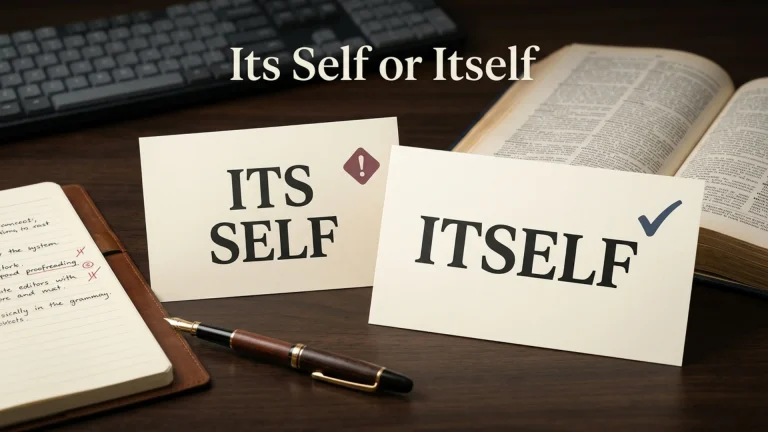
Bon Appétit vs Bon Appetite
This is one of the most common mistakes online.
Incorrect
❌ Bon Appetite
Correct
✅ Bon Appétit
Why?
Because appetite is an English word while appétit is French.
Mixing the two creates an incorrect phrase.
Memory tip:
French phrase = French spelling.
Is Bonne Appétit Correct?
No.
Many learners think Bonne Appétit is correct because “bonne” means “good” in French.
However, French grammar requires:
✅ Bon Appétit
Not:
❌ Bonne Appétit
This is the standard expression used by native French speakers.
Common Mistakes People Make
Many people make these errors:
Wrong Spelling
- Bon Appetite
- Bon Appitite
- Bon Appetit
Wrong Pronunciation
Some pronounce every letter strongly. French pronunciation is softer.
Incorrect Timing
Saying it after eating sounds unusual.
Overusing It
You do not need to say it before every snack.
Similar Expressions Around the World
Food brings people together everywhere. Different cultures have their own phrases.
| Language | Phrase | Meaning |
| English | Enjoy your meal | Standard phrase |
| French | Bon Appétit | Good appetite |
| Spanish | Buen provecho | Enjoy your meal |
| Italian | Buon appetito | Enjoy your meal |
| German | Guten Appetit | Enjoy your meal |
| Japanese | Itadakimasu | I humbly receive |
| Arabic | Sahten | Double health |
These expressions show that sharing food is a universal human tradition.
Bon Appétit in Modern Culture
The phrase appears almost everywhere today.
Restaurants
Many restaurants use it to create a welcoming atmosphere.
Cooking Shows
Television chefs often end segments by saying:
Bon Appétit!
Social Media
Millions of food posts include the phrase every year.
Travel
Tourists hear it frequently across Europe.
Hospitality Industry
Hotels and restaurants use it to enhance guest experiences.
Interesting Facts About Bon Appétit
- The phrase originated in France.
- It literally means “good appetite.”
- It became popular worldwide through French cuisine.
- Many countries have similar meal expressions.
- It remains one of the most recognized French phrases in English.
A Simple Dining Etiquette Tip
Imagine dining as a shared experience rather than just eating.
Saying Bon Appétit is like opening a door to good conversation, friendship, and hospitality. It is a small phrase with a big purpose.
As the old saying goes:
“Good food tastes better when shared.”
That idea captures the spirit of Bon Appétit perfectly.
FAQs
What does Bon Appétit mean?
It means “Enjoy your meal.”
Is Bon Appétit French?
Yes. It comes from the French language.
Is Bon Appetite correct?
No. The correct spelling is Bon Appétit.
How do you pronounce Bon Appétit?
It is pronounced:
Bohn Ah-pay-tee
Can English speakers use Bon Appétit?
Yes. It is widely understood in English-speaking countries.
Is Bon Appétit formal?
It can be both formal and informal depending on the situation.
What is the reply to Bon Appétit?
You can say:
- Thank you
- You too
- Same to you
Is the accent mark necessary?
In French, yes. In English, people sometimes omit it, but the original spelling includes the accent.
Conclusion
Understanding the Bon Appétit meaning is simple once you know its purpose. The phrase literally means “good appetite,” but in everyday use it means “Enjoy your meal.”
Whether you hear it in a restaurant, at a family dinner, or on a cooking show, Bon Appétit remains a timeless expression of hospitality and kindness. It connects people through food, culture, and shared experiences.
The next time someone serves a meal, you can confidently smile and say:
Bon Appétit!
About the Author