Worst Website Strategy
When you’re building or managing a website, it’s surprisingly easy to start guessing. You guess what customers want to see, which pages they care about, where they will click, wwhich headline sounds better, and even why people are leaving your website.
And sometimes, you guess that a particular design “just feels right.” It sounds harmless enough. After all, everyone has an opinion about websites, right?
But here’s the catch: guessing can get expensive.
A website isn’t a decoration hanging on your digital wall. It should help your business attract visitors, build trust, generate enquiries, make sales, or achieve whatever goal you’ve set for it. If important decisions are based on hunches rather than evidence, you could be pushing visitors in the wrong direction without even realising it.
That’s why good web design in Melbourne isn’t simply about choosing attractive colours, trendy layouts, or fancy animations. It’s about understanding what visitors actually need and using real information to make smarter decisions.
So, let’s talk about why guessing is such a risky website strategy and what you can do instead.
“I Think Customers Will Like It” Isn’t Enough
We’ve all said it.
“I think customers will like this.”
“I reckon this button should go here.”
“People probably want to see our awards first.”
“Surely everyone will read this.”
Maybe you’re right, but maybe you’re not.
That’s the problem.
A website can look fantastic to the business owner and still frustrate the people actually using it.
You know your business inside out. You know the terminology. You understand your services. You know why certain features matter.
Your visitors don’t. They arrive with completely different expectations. They might not understand industry jargon, know what separates you from competitors or have a completely different idea of what they should click first.
Making assumptions about them is a bit like trying to read someone’s mind from across the room.
You might get lucky. But that’s not much of a strategy.
Your Website Isn’t About What You Like
This can be a tough one to swallow: Your website isn’t really for you. It’s for your customers.
That means your favourite colour might not be the best colour. Your favourite homepage layout might not be the easiest one to navigate. The clever headline you love might leave visitors scratching their heads.
That’s why effective web design in Melbourne starts with the audience rather than the designer’s personal preferences.
- What questions do visitors ask?
- What problems are they trying to solve?
- What information do they need before contacting you?
- What makes them hesitate?
These questions are far more useful than simply asking, “Does this look good?”
Because “good-looking” and “good-performing” aren’t always the same thing.
Data Takes the Guesswork Out
You don’t have to rely on gut feeling. Your website is constantly generating useful information.
- Analytics can tell you which pages people visit.
- Heatmaps can show where they click.
- Search data can reveal what they’re looking for.
- Conversion tracking can show which actions lead to enquiries or sales.
Even customer support emails can reveal recurring questions.
All of this information gives you clues. Instead of saying, “I think visitors don’t like this page,” you can look at the numbers. Instead of guessing why people aren’t completing a form, you can examine where they abandon it.
Suddenly, you’re not shooting in the dark anymore.
You’re making decisions based on evidence.
Small Tests Can Reveal Big Things
You don’t always need a massive research project. Sometimes, a simple test can tell you a lot.
- Try changing a headline.
- Move a call-to-action button.
- Shorten a contact form.
- Replace a generic stock image with a real photo.
- Change the wording on a button.
Then measure what happens.
Maybe enquiries increase, maybe they don’t. Either way, you’ve learned something. That’s much better than endlessly debating which version “feels better.”
A/B testing is particularly useful here. You can show different versions to visitors and compare their performance.
Let the audience have the final say.
Your Customers Are Walking, Talking Research
Want to know what visitors are thinking? Ask them.
It sounds ridiculously simple, but businesses often overlook it.
- Talk to existing customers.
- Read reviews.
- Check support questions.
- Ask your sales team what prospects frequently ask.
- Send a short survey.
Even a handful of conversations can reveal patterns you hadn’t considered.
Maybe customers struggle to understand your pricing. Maybe they don’t know what happens after submitting an enquiry. Maybe they’re confused by your service categories.
These aren’t minor details. They’re opportunities to improve the website.
Don’t Confuse Traffic with Success
Businesses sometimes assume that more traffic automatically means a better website.
Not necessarily.
You could have thousands of visitors and hardly any enquiries.
Meanwhile, a smaller website with highly relevant traffic could generate significantly more business.
The real question isn’t simply: “How many people visited?”
It’s: “What did they do when they arrived?”
- Did they contact you?
- Book an appointment?
- Request a quote?
- Purchase something?
- Download a resource?
- Subscribe to your newsletter?
A successful website should be measured against meaningful business goals.
Your Homepage Doesn’t Need to Do Everything
This is another common guessing game: Businesses often try to cram absolutely everything onto the homepage.
Every service.
Every award.
Every testimonial.
Every product.
Every announcement.
Every company achievement.
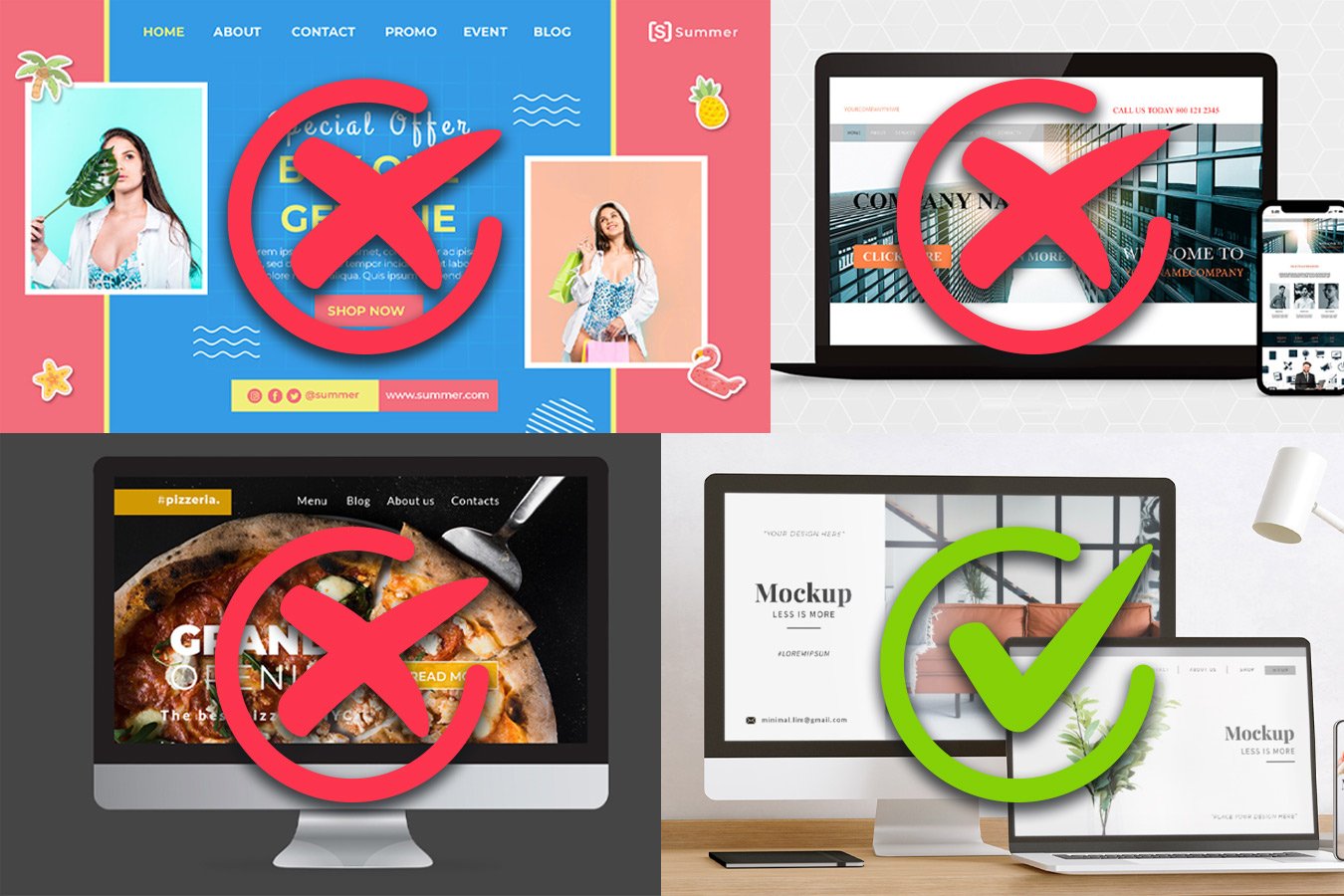
The result? A cluttered mess.
Instead of guessing what everyone might want, identify what most visitors need first. Then guide them towards the right information.
Your homepage isn’t a storage cupboard. It doesn’t need to contain everything.
Good web design in Melbourne focuses on creating clear journeys rather than throwing every possible piece of information at visitors at once.
Stop Copying Competitors Blindly
Here’s a tempting shortcut.
You see a competitor launch a new website. It looks great, so you copy the idea. Seems reasonable, right? Not necessarily.
Your competitor’s audience might behave differently. Their pricing could be different. Their brand could have a completely different personality. Their website might even be performing poorly despite looking impressive.
Copying someone else’s strategy without understanding why it works is like following a recipe without knowing what you’re cooking.
You might end up with something that looks the part but doesn’t deliver.
Take inspiration, sure. But don’t blindly follow the crowd.
Wrapping It Up
There’s nothing wrong with having instincts. Sometimes, your gut feeling will be spot on. But when you’re making important website decisions, relying entirely on assumptions is like navigating with a blindfold on.
Your customers are already telling you what they want through their behaviour, questions, searches, clicks, reviews, and interactions. You just need to pay attention.
At the end of the day, successful web design in Melbourne isn’t about guessing what might work. It’s about discovering what actually works and continually making the website better. Take the guesswork out of the equation, and better yet, work with an efficient web design provider like Make My Website.
About the Author