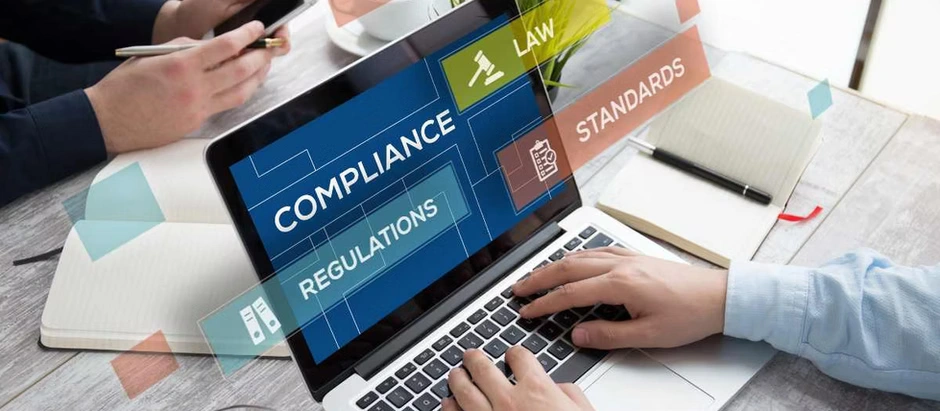
Registering a business correctly from the outset protects you from legal risk, builds credibility with customers and suppliers, and lays the groundwork for long-term growth. Many first-time entrepreneurs treat compliance as an afterthought, only addressing it when a problem forces their hand. A more practical approach is to handle the legal fundamentals early, when the cost and complexity are lowest, so that you can focus on building the business without regulatory issues creating costly distractions.
Choose Your Business Structure Carefully
The legal structure you choose for your business affects your personal liability, your tax obligations, your ability to raise funding, and the administrative requirements you will need to meet on an ongoing basis. The most common options for small businesses are sole proprietorships, partnerships, limited liability companies, and corporations. Each carries distinct advantages and disadvantages depending on the nature of the business, the number of owners involved, and the level of financial risk. Taking time to understand these differences — ideally with input from a legal or financial adviser — before registering is well worth the effort.
Register Your Business Name
Before you can trade legally under a business name, you typically need to register it with the relevant authority in your jurisdiction. In many countries, this involves checking that the name is not already in use, submitting a registration application, and paying a modest fee. Operating under an unregistered name creates legal exposure and can complicate banking, contracting, and invoicing. If you intend to build a recognisable brand, registering the name also gives you a stronger foundation for any future trademark protection.
Obtain the Necessary Licences and Permits
The licences and permits required to operate legally vary significantly depending on your industry, your location, and the nature of your activities. Retail businesses, food establishments, professional service providers, and construction companies all face different regulatory requirements. Failing to obtain the correct permits can result in fines, forced closures, and reputational damage that is difficult to recover from. Research the requirements in your specific jurisdiction early and build the cost and lead time of obtaining permits into your startup planning.
Register for Taxes
Tax registration requirements depend on your business structure and the volume of your trading activity. Most businesses are required to register for income tax at a minimum, and those whose turnover exceeds a specified threshold are typically required to register for sales tax or value-added tax as well. Understanding your obligations from the start prevents the accumulation of penalties and interest that results from late registration or underpayment. An accountant familiar with your industry can provide guidance tailored to your specific situation.
Open a Business Bank Account
A dedicated business bank account is both a practical necessity and, in many jurisdictions, a legal requirement for certain business structures. Keeping business and personal finances separate simplifies bookkeeping, reduces the risk of errors in tax filings, and protects your personal assets in the event of a legal dispute involving the business. Most banks require proof of business registration, identification documents, and basic business information to open an account — another reason to complete the registration process early.
Understand Your Employment Obligations
If you plan to hire staff, you will take on a range of additional legal obligations covering employment contracts, minimum wage compliance, payroll tax, workplace health and safety, and anti-discrimination requirements. These obligations are substantial and vary by location, so it is important to research them thoroughly before bringing on your first employee. Getting employment compliance right from the beginning protects both your business and the people who work for it.
Protect Your Intellectual Property
If your business involves original content, product designs, brand elements, or proprietary processes, protecting your intellectual property should be part of your early legal planning. Trademarks, copyrights, and patents each offer different types of protection for different categories of intellectual property. The cost of securing protection early is almost always lower than the cost of defending your rights after someone else has copied or misappropriated your work.
Keep Accurate Business Records
Legal compliance is not a one-time event but an ongoing responsibility. Maintaining accurate records of income, expenses, contracts, correspondence, and employee information allows you to meet your reporting obligations, respond to any queries from regulatory authorities, and make informed decisions based on reliable data. Establish good record-keeping habits early, invest in appropriate software to support them, and review your compliance status regularly as your business grows and your obligations evolve.
Review Your Legal Standing Annually
Laws and regulations change, and the compliance requirements that applied when you first registered your business may not be the same ones that apply two or three years later. An annual review of your legal standing — covering business registration, tax compliance, licences, employment law, and any industry-specific regulations — ensures that you remain on the right side of your obligations. Read more here for detailed guides on business registration, legal compliance, and the practical steps involved in building a properly structured company.
Seek Professional Advice When You Need It
Legal and financial compliance is an area where the cost of professional advice is almost always lower than the cost of getting things wrong. An accountant, solicitor, or business adviser familiar with your industry can identify risks you may not have considered and help you build a compliance framework that scales as the business grows. View professional advice not as an expense but as an investment in the long-term security of everything you are building.
Staying legally compliant is ultimately about running a business you can be proud of — one that treats its obligations seriously and builds the kind of trust with customers, suppliers, and employees that only comes from operating with integrity and transparency.
About the Author