Product advertising has always required a careful balance between visual appeal and factual consistency. A product may need to appear in several environments, interact with people, demonstrate a feature, and still look exactly like the real item throughout the campaign. Traditional production can achieve this level of control, but even a short commercial may involve product photography, location planning, actors, lighting, camera equipment, sound recording, editing, and multiple rounds of revisions. Generative video introduces another way to explore these concepts, particularly during the stages where teams are still deciding what a campaign should look and feel like.
The most useful development is not simply the ability to generate attractive footage from a written prompt. Modern systems can work with multiple types of creative references, allowing teams to provide images, video clips, audio material, and written instructions as parts of one visual brief. Seedance 2.0, for example, is designed around multimodal generation and supports images, videos, and audio references alongside text, while its official information highlights character and product consistency, camera movement, synchronized audio, and multi-scene storytelling. This approach gives commercial teams a way to communicate creative intent through actual examples rather than relying entirely on descriptive language.
For product marketers, this can make the early stages of advertising considerably more flexible. A team can begin with existing product photographs, mood boards, storyboard frames, or reference footage and use them to explore different scenes before investing in a full production. Instead of treating every generated clip as an isolated experiment, the campaign can be developed around a consistent visual identity. That distinction matters when an advertisement needs to demonstrate a real product, because attractive visuals have little value if the product’s appearance or functionality is represented incorrectly.
Product Accuracy Has a Different Standard From Ordinary AI Video
A fictional character can sometimes tolerate small visual changes between shots without damaging the story. A commercial product generally cannot. Packaging, dimensions, controls, colors, logos, textures, and other recognizable characteristics can influence whether viewers trust what they are seeing. When those details shift unexpectedly, the advertisement may become less convincing even if the overall scene looks polished.
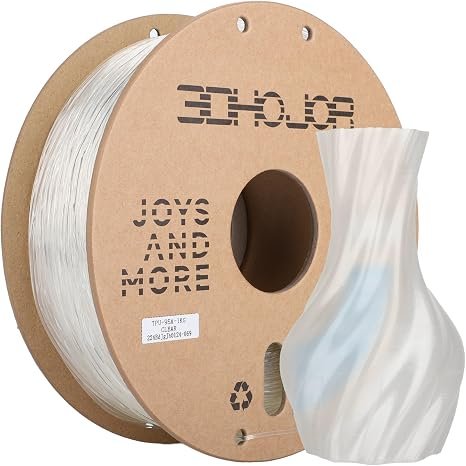
This makes reference selection one of the most important parts of a product-focused workflow. A clean product photograph can establish the object’s appearance, while additional images can provide information about different angles or details. Environment references can show where the product should appear, and character references can establish who interacts with it. Rather than asking the generation model to invent every component independently, teams can provide a stronger visual foundation before describing the desired action.
A Campaign Can Be Planned Around Multiple Visual Inputs
Commercial campaigns rarely begin with one photograph and one sentence. Creative teams may already have product photography, packaging images, brand guidelines, storyboard sketches, lifestyle references, existing footage, voice recordings, and music ideas. Traditionally, these materials are reviewed by different members of a production team and translated into a final shooting plan.
Multimodal generation can bring more of those materials into the same creative workflow. The official Seedance information describes support for combining images, videos, audio, and text as references, allowing different assets to contribute different types of information. This can be especially useful when a campaign’s visual identity has already been established elsewhere and the goal is to explore new ways of presenting it.
The Number of References Matters Less Than Their Purpose
Having access to many references does not mean a creator should simply upload everything available. Each reference should answer a useful question. What should the product look like? What environment should surround it? How should the person interact with it? What type of movement is required? What should the camera reveal first?
A well-organized reference set makes these relationships easier to understand. Product images can focus on physical accuracy, storyboard frames can establish composition, and motion references can demonstrate actions that are difficult to describe through words. Audio references can then contribute timing, dialogue, or atmosphere. When every asset has a defined role, the creative process becomes easier to evaluate and refine.
What a Product-Focused Reference Package Can Include
A commercial team can create a compact reference package before starting generation. The exact contents will depend on the campaign, but several categories are particularly useful.
- Primary product photographs: Establish the item’s shape, finish, colors, and important details.
- Alternative product angles: Provide information about sides, controls, packaging, or smaller features.
- Lifestyle images: Define the environment and context surrounding the product.
- Character references: Establish the appearance of people who will interact with the item.
- Storyboard frames: Show the planned sequence and major compositions.
- Movement references: Demonstrate actions or camera behavior.
- Audio references: Provide dialogue, narration, sound effects, or atmosphere.
- Brand style references: Communicate the intended visual mood and campaign identity.
The purpose is not to overload the generation process. Strong references should reduce ambiguity. A few carefully selected assets can be more useful than a large collection that contains contradictory visual information.
Longer Scenes Can Make Product Demonstrations Feel More Natural
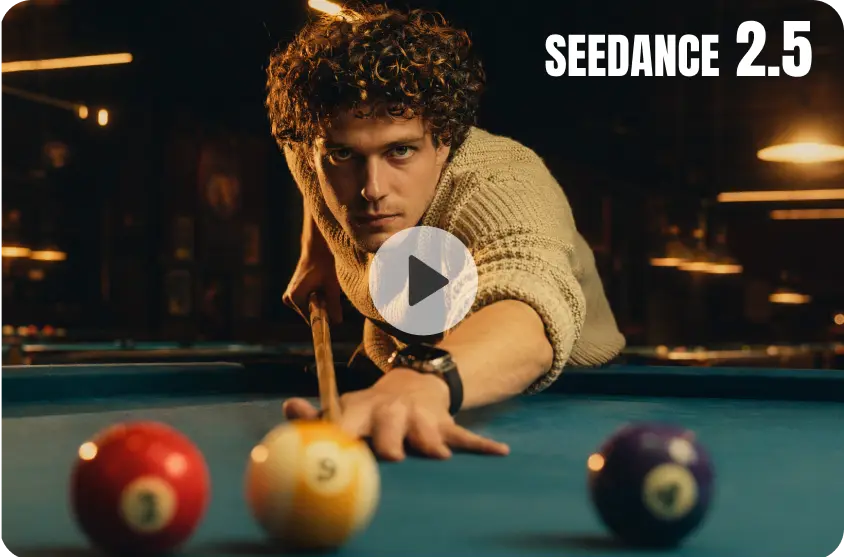
A product demonstration sometimes depends on an uninterrupted action. A person might pick up an object, activate it, use a feature, and then react to the result. Breaking that sequence into many tiny clips can make continuity harder because every new generation creates another opportunity for the product, character, or environment to change.
This is where the newer generation of the technology becomes particularly relevant. Seedance 2.5 supports continuous video generation of up to 30 seconds, according to its official product information. It also expands multimodal reference capacity to as many as 50 inputs. These capabilities give creators more room to build a connected sequence when a short isolated clip would not communicate the complete idea.
Longer generation does not mean every advertisement should be one uninterrupted shot. Shorter cuts are often more effective for social advertising. The advantage is flexibility. When an action benefits from continuity, creators have more room to maintain it before moving to the next scene. When fast editing is appropriate, the same workflow can still be divided into shorter segments.
Localized Editing Could Make Revisions More Efficient
Commercial content usually goes through revisions. A client may approve the composition but request a change to the product’s position. A brand manager may want a background element removed. A creative director may like the movement but dislike a small visual detail. In traditional editing, these changes can be handled through targeted adjustments, but generative workflows have often required complete regeneration.
The newer editing capabilities described for Seedance 2.5 are designed to make this process more selective. Its official information describes localized editing that can modify specific regions while maintaining elements such as lighting, composition, motion, audio, and timeline continuity. This approach can reduce the need to rebuild an otherwise successful scene simply because one area needs correction.
Camera Movement Should Support the Product’s Message
A product advertisement should not move the camera simply because movement looks impressive. Every camera decision should help the viewer understand something. A slow push-in can draw attention to a feature, a rotating movement can reveal the product’s shape, and a wider shot can demonstrate how the item fits into its environment. Dreamina can be useful for exploring these different visual approaches and testing which camera direction communicates the product most effectively.
This principle becomes even more important when AI generation is involved because models can produce visually elaborate movements that are not necessarily useful. A clear prompt should explain what the camera is supposed to reveal and why. The objective is not maximum movement. It is meaningful movement that supports the advertising message.
Product Demonstrations Need a Clear Visual Hierarchy
Viewers should quickly understand what they are looking at. If the environment is more visually dominant than the product, the advertisement can lose its purpose. Similarly, too many characters, props, or background effects can make it difficult to understand the central action.
A useful sequence can therefore be designed around a hierarchy. The opening establishes the context, the next shot directs attention toward the product, a demonstration shows the relevant feature, and the closing moment reinforces the desired message. AI generation becomes easier to manage when the creator knows which visual element should receive attention at each stage.
Audio Can Strengthen the Perception of Product Interaction
Sound effects can make product interactions feel more tangible. The click of a switch, movement of a mechanism, opening of a package, or environmental sound around an object can reinforce what the viewer sees. Dialogue and narration can provide additional explanation without forcing every detail into the visual composition.
The Seedance workflow incorporates audiovisual generation, allowing sound to be considered alongside the visual sequence rather than being treated solely as a later editing task. For commercial concept development, this can help teams judge whether the scene feels complete before moving into final production.
Social Campaigns Can Benefit From Rapid Variation
A single campaign may need multiple creative approaches. One version might emphasize the product’s appearance, another could focus on a particular feature, and a third might present the item in a lifestyle context. Producing all these concepts traditionally can require significant preparation.
A generative workflow makes experimentation faster. Once the product’s visual identity has been established through references, teams can test different environments, camera movements, openings, and narrative structures. The important part is maintaining the elements that should remain fixed while changing only the creative variables that need testing.
International Campaigns Add Another Layer of Complexity
A campaign intended for several markets may require changes in language, dialogue, setting, or cultural context. Translating a script is only one part of localization. The visual environment and presentation may also need to change to feel appropriate for the intended audience.
Multimodal audiovisual generation can support experimentation with these variations. Seedance’s newer capabilities include multilingual video and audio generation, which can provide a starting point for localized creative concepts. Human review remains essential, especially when the campaign contains product claims, technical information, or culturally specific messaging.
Human Direction Remains Central to the Process
The strongest AI-generated advertisements still begin with a clear creative objective. Technology can create movement, environments, characters, and visual treatments, but it does not automatically know what matters most to the audience. Someone needs to decide whether the campaign is trying to demonstrate a feature, create desire, explain a benefit, establish brand identity, or simply attract attention.
That human direction also determines which generated results deserve further refinement. A technically impressive clip may not communicate the product clearly, while a simpler scene may deliver the marketing message much more effectively. Reviewing the output against the campaign objective keeps the creative process focused.
AI and Traditional Production Can Work Together
There is no requirement for a brand to choose between AI generation and conventional filming. In many situations, combining the two approaches can be more practical. AI can be used to test concepts, visualize storyboards, develop alternate compositions, and produce early campaign variations, while traditional photography or video can handle situations where exact physical behavior is essential.
This hybrid approach can also help production teams communicate more effectively. Instead of explaining a difficult concept entirely through a written brief, a team can create an AI-generated visual prototype and use it as a discussion point. Directors, marketers, designers, and clients can then react to something concrete before final production begins.
Final Thoughts
The biggest opportunity in AI-assisted product advertising is not simply faster video generation. It is the ability to explore commercial ideas with more visual flexibility while keeping the product itself at the center of the process. References can establish physical accuracy, storyboards can organize the sequence, motion inputs can guide actions, and audio can contribute to the overall experience. Together, these elements create a more structured path from an initial marketing idea to a visual prototype.
Longer generation, expanded reference capacity, and localized editing make the workflow increasingly suitable for more complicated campaigns. However, technology works best when paired with careful planning. The product still needs to look correct, the story needs to communicate a clear purpose, and every generated scene should be reviewed rather than accepted simply because it appears visually impressive. For brands willing to combine AI experimentation with strong creative direction and human quality control, the result can be a more flexible and efficient way to develop advertising concepts.
FAQs
Why does product consistency matter so much in AI advertising?
A product is a real commercial object rather than a fictional design. Changes in packaging, shape, color, controls, or proportions can make an advertisement misleading or reduce consumer confidence. Strong product references and careful review help keep the generated representation aligned with the actual item.
How many references can the newer Seedance workflow support?
The official information for Seedance 2.5 states that it can work with up to 50 multimodal references. These references can provide broader context for complex projects involving products, people, environments, storyboards, movement, and audio.
Can longer AI-generated scenes be useful for product demonstrations?
Yes. Some demonstrations depend on an uninterrupted sequence of actions. The official Seedance 2.5 information states that continuous video generation can reach up to 30 seconds, giving creators more flexibility when a single connected action is preferable to several short clips.
What is localized video editing?
Localized editing allows creators to focus a modification on a particular area of a generated video rather than rebuilding the complete sequence. The Seedance 2.5 workflow describes preserving aspects such as lighting, composition, motion, audio, and timeline continuity while making targeted changes.
Should marketers upload as many references as possible?
Not necessarily. References should have a clear purpose. A small set of high-quality, consistent assets can communicate the campaign more effectively than a large collection containing contradictory information. The goal is to reduce ambiguity rather than maximize the number of uploaded files.
Can AI-generated advertisements be used without human review?
Human review is still essential, particularly for commercial content. Teams should verify product appearance, claims, branding, dialogue, visual details, and overall messaging before publication. AI generation can accelerate the creative process, but final responsibility remains with the people producing and approving the advertisement.
About the Author