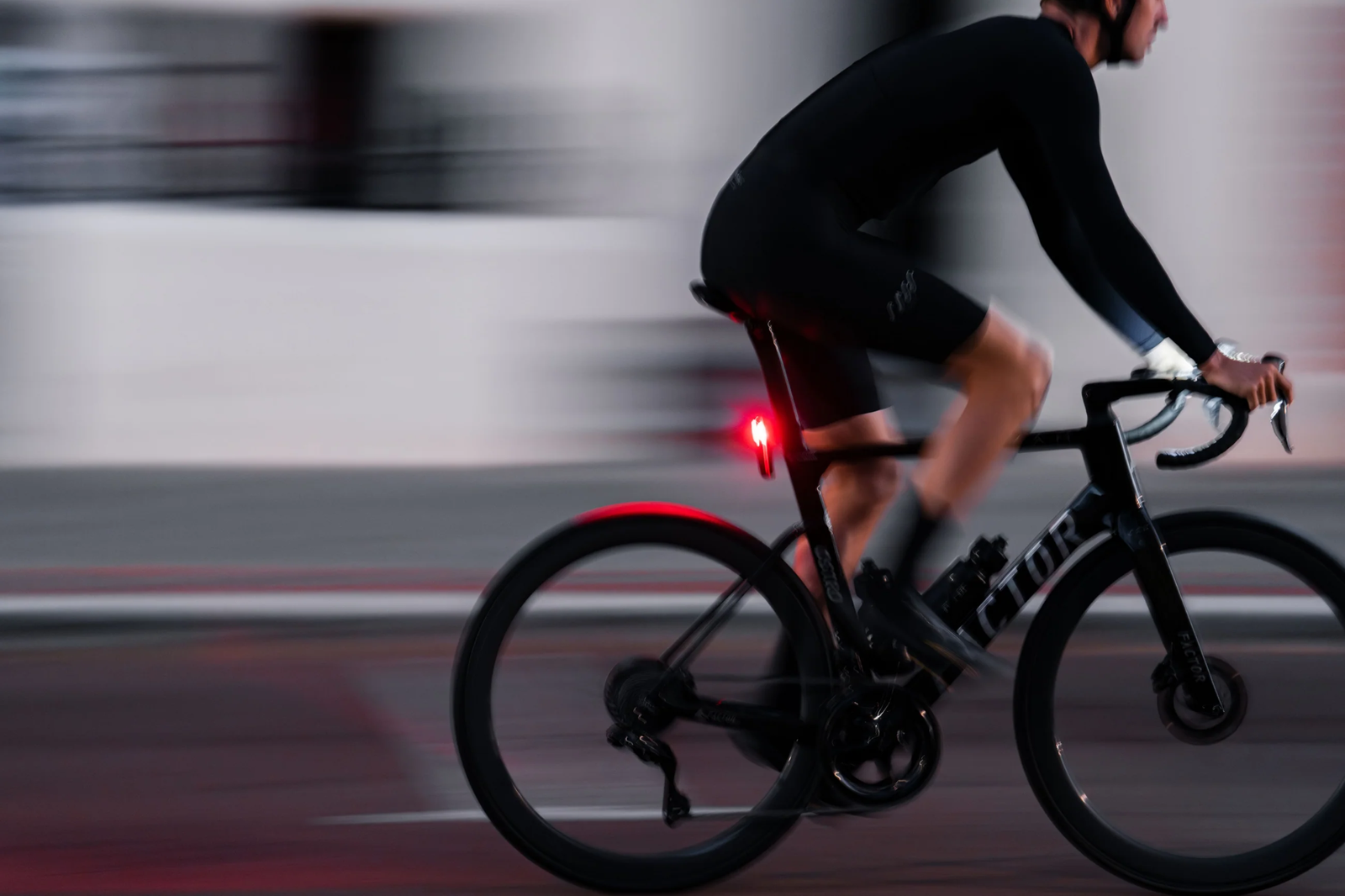
Cycling after sunset changes the relationship between the rider and the road. During daylight, a cyclist can usually rely on natural visibility to judge corners, recognize surface changes, and make their position obvious to surrounding traffic. Once darkness arrives, those advantages disappear quickly. A properly planned lighting setup has to solve two separate problems at once: the rider needs enough illumination to understand what is ahead, while other road users need to recognize where the bicycle is and how it is moving. That is why choosing a bike tail light should not be treated as an afterthought to buying a front lamp. Rear visibility has its own requirements, and the best setup considers both directions together.
The difference becomes especially noticeable on roads where cyclists share space with cars, motorcycles, pedestrians, and other bicycles. A front light can help reveal the road, but it does not tell a driver approaching from behind where the bicycle is positioned. Likewise, a bright rear lamp can make a rider noticeable without helping them identify a pothole or bend ahead. Effective bicycle lighting is therefore less about owning one powerful device and more about creating a balanced visual presence around the bicycle. Brightness, flash patterns, beam direction, mounting height, battery capacity, and visibility from different angles can all influence the result.
Modern bicycle lights have become increasingly specialized because riders do not all use them in the same environment. RAVEMEN’s current lighting range includes separate front and rear products, with its front collection covering compact daytime visibility lights through high-output systems designed for darker roads, while its tail-light range includes different designs intended to improve rear visibility. This separation reflects a useful principle: front and rear lights should not necessarily perform the same job. A rider can get better results by choosing each light according to what it needs to communicate and illuminate.
Front and Rear Lights Have Different Responsibilities
The front light is primarily concerned with what the rider can see and, depending on the setting, with making the bicycle visible to approaching traffic. On an unlit road, it can reveal changes in the pavement, road edges, parked vehicles, and upcoming turns. Its beam generally needs to project forward, and riders may benefit from multiple brightness levels that can be adjusted according to the surroundings.
The rear light has a different task. Its primary purpose is to help people approaching from behind recognize the bicycle’s presence and position. It does not need to illuminate the road in front of the rider, so its optical design can focus on visibility from the rear and, in some designs, from wider angles. Treating these two products as interchangeable can lead to an incomplete setup because the visual requirements at the front and rear are fundamentally different.
Why Rear Visibility Can Be Easy to Overlook
Cyclists naturally spend more attention on the road ahead because that is where steering decisions happen. This makes it easy to invest in a front lamp while giving little thought to what approaching traffic can see from behind. Yet on shared roads, rear visibility is an equally important part of the rider’s visual presence.
A rear light can provide a clear point of recognition against a dark background. Its effectiveness depends on more than raw brightness, however. Flashing patterns, mounting position, angle, and the ability to remain visible from different directions can all influence how easily another road user notices it. RAVEMEN’s tail-light collection includes models with different output levels and visibility-oriented designs, giving riders options depending on how and where they cycle.
Beam Design Matters More Than a Simple Lumen Comparison
Comparing bicycle lights purely by lumen figures can be misleading. Lumens describe light output, but they do not explain how that light is distributed. A front lamp needs useful forward reach and appropriate coverage of the riding surface, while a rear lamp needs to remain conspicuous to approaching traffic without producing an unnecessarily distracting effect.
This difference is reflected in specialized optical designs. Front lights can use focused or combined beam arrangements to provide distance and near-field coverage, while rear lights can use wider illumination and flashing patterns to attract attention. RAVEMEN’s front-light collection includes products with different beam technologies and anti-glare approaches, while its tail-light range is designed around rear-facing visibility. Selecting each light according to its optical purpose is more useful than simply choosing the products with the largest numbers.
Features Worth Checking Before Buying
The right combination of features depends on where and how often the bicycle is used, but several characteristics are particularly useful when building a complete lighting system.
- Appropriate front output: The front light should provide enough illumination for the route without unnecessary brightness.
- Rear visibility: The tail light should remain noticeable against the surrounding environment.
- Multiple modes: Different settings make it easier to adapt to urban streets, dark roads, and daylight.
- Secure mounting: Both lights need to remain firmly positioned over bumps and vibration.
- Battery capacity: Runtime should cover the intended journey with a sensible reserve.
- Charging convenience: Rechargeable systems can simplify regular use and maintenance.
- Side visibility: Wider-angle visibility can help approaching traffic recognize the bicycle’s position.
- Weather protection: Outdoor equipment should be prepared for rain, spray, and changing conditions.
- Battery indicators: Clear power information can reduce the risk of unexpectedly losing illumination.
- Easy controls: Straightforward operation helps riders change modes without unnecessary distraction.
No individual feature guarantees a good lighting setup. A highly visible rear lamp is less useful if its mount allows it to point toward the ground, while a powerful front lamp can become inconvenient if its beam is poorly controlled. The overall system should work as a coordinated pair.
Daytime Lighting Has a Role Too
Bicycle lights are often associated with nighttime riding, but visibility can also matter during daylight. Traffic conditions, shadows, weather, and busy backgrounds can make cyclists difficult to notice even when the road is bright. A daytime flash mode can give the bicycle a more distinct visual presence without requiring the rider to wait until sunset.
This is particularly relevant for commuters who may begin or finish a journey in changing light conditions. Instead of carrying one light for daytime and another for nighttime, a versatile system can provide different modes for different parts of the same journey. The important consideration is selecting a setting that provides useful visibility without unnecessarily affecting other road users.
Mounting Position Changes What Others See
A light’s performance depends partly on where it is installed. A rear lamp positioned too low, for example, may be obscured by a rack, bag, mudguard, or other equipment. A front light positioned at an inappropriate angle can either leave the road poorly illuminated or direct excessive light toward approaching traffic.
Before a ride, cyclists should check both the mounting position and the beam direction. The light should remain visible from the angles that matter and should not be blocked by accessories. Secure mounting also matters because vibration can gradually shift the position during longer rides, especially on rough roads.
Battery Management Should Be Part of the Routine
A rechargeable lighting system is convenient, but it still requires preparation. Riders who use their bicycles regularly should develop a habit of checking battery levels before leaving. This becomes especially important when the return journey is expected to take place after dark.
Brightness settings influence runtime considerably. Running a high-output front light continuously can consume power much faster than using a lower mode when conditions allow it. Rear lights also benefit from thoughtful mode selection. A rider can preserve battery capacity by using the setting appropriate to the environment rather than automatically selecting maximum output for the entire journey.
High Output Requires Sensible Heat Management
Powerful front lights can generate substantial heat during extended operation. This is especially relevant when a bicycle moves slowly because there may be less airflow across the light housing. Good thermal design helps the light manage this heat without compromising its long-term operation.
Riders who regularly use high-output lighting should therefore look beyond the maximum brightness figure. Housing construction, cooling design, automatic output management, and the manufacturer’s operating guidance can all affect sustained performance. A light that is designed to manage its temperature is more likely to provide predictable operation throughout a long ride.
A Balanced Setup Makes More Sense Than Two Identical Lights
There is little reason for the front and rear lights to have identical characteristics. The front light generally needs greater illumination because the rider uses it to see the road, while the rear light can focus more heavily on recognition and conspicuity.
This difference makes it possible to build a more efficient setup. A rider might choose a high-output front light for dark roads and pair it with a compact, highly visible rear lamp. On an urban commute, the front light may operate at a moderate setting while the rear light uses a daytime flash mode. The right combination depends on the route, but the underlying principle remains the same: each light should perform the job for which it is designed.
What to Look For in a Complete Bicycle Lighting Arrangement
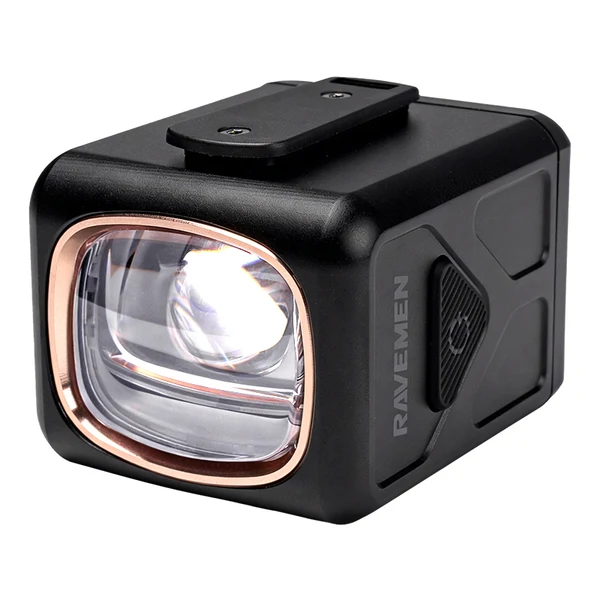
A good lighting setup should be considered before the bicycle is taken onto the road. Riders should think about their normal routes, the amount of ambient lighting, typical speeds, weather, and how long the lights need to operate.
For cyclists comparing bike lights front options alongside rear lighting, it is useful to consider whether the two products complement each other. The front should provide enough useful illumination to support navigation, while the rear should establish a clear and consistent visual presence for approaching traffic. Together, they create a more complete lighting arrangement than focusing heavily on one end of the bicycle.
Final Thoughts
Effective bicycle lighting is about communication as much as illumination. The front of the bicycle needs to provide the rider with information about the road ahead, while the rear needs to communicate the bicycle’s presence and position to those approaching from behind. Treating these as two separate requirements makes it easier to choose equipment that performs well without unnecessary overlap.
A strong lighting setup also depends on practical habits. Keeping batteries charged, checking mounts, cleaning lenses, selecting sensible output levels, and adjusting beam direction can make a noticeable difference to everyday performance. The best system is not necessarily the one with the highest specifications. It is the one that gives the rider useful forward visibility, dependable rear recognition, and enough flexibility to handle the changing conditions encountered throughout a ride.
FAQs
Do I need both a front and rear bicycle light?
For regular riding in low-light or dark conditions, using both provides a more complete visibility setup. The front light helps the rider see the road and can make the bicycle noticeable from ahead, while the rear light helps approaching traffic recognize the bicycle from behind.
Should the front light be brighter than the rear light?
Generally, the requirements are different rather than simply higher or lower. The front light may need stronger output because it can be used to illuminate an unlit road. The rear light primarily needs to provide clear visibility to approaching road users and does not normally need to illuminate the road itself.
Are flashing modes useful on bicycle lights?
They can be useful for increasing conspicuity, particularly during daylight or in environments where the cyclist needs to stand out against a busy background. The appropriate mode depends on the riding environment and local rules, and riders should avoid settings that unnecessarily distract or dazzle others.
Where should a rear bicycle light be mounted?
It should be positioned where it remains clearly visible from behind and is not blocked by bags, racks, mudguards, or clothing. The light should also remain securely attached so vibration does not change its angle during the ride.
How can I make bicycle lights last longer between charges?
Use brightness levels appropriate to the conditions instead of running maximum output continuously. Check battery levels before longer rides and recharge the lights after regular use. Carrying a backup light can also provide additional security when traveling long distances away from populated areas.
What is more important, brightness or beam design?
Both matter, but brightness alone does not determine practical visibility. Beam shape controls where the available light goes, so a well-designed moderate-output beam can sometimes be more useful than a poorly distributed high-output beam. The ideal combination depends on the road, riding speed, and surrounding conditions.
About the Author