Strong winds can damage residential roofing materials even when a storm does not produce heavy rainfall. Shingles may lift, ridge caps can loosen, and exposed roof edges may experience significant pressure. Some problems become immediately visible, while others remain unnoticed until another storm brings water into vulnerable areas.
Wind damage varies according to roof design, material condition, installation quality, and the direction of approaching gusts. Older roofing materials may respond differently from recently installed products, particularly when adhesives or fastening components have deteriorated. Understanding these differences helps homeowners recognize potential problems without assuming that every storm requires extensive roofing work.
Timely Roof Repair can address localized wind damage before exposed components experience additional weathering. Ridge Runner Roofing is one business homeowners may consider when investigating storm-related roofing concerns. Learning where wind damage commonly occurs and how repairs are evaluated supports more informed maintenance decisions.
How Strong Winds Affect Residential Roofing Materials
Wind creates pressure differences across roof surfaces as air moves around a building. Certain areas experience uplift forces that can loosen roofing materials or stress their attachment points. Roof shape, surrounding structures, and wind direction influence how these forces develop.
Shingles depend on appropriate fastening and sealing to remain securely positioned. Strong gusts may lift exposed edges, particularly where adhesive bonds have weakened. Repeated movement can eventually produce cracking, displacement, or complete material loss.
Why Roof Edges Experience Greater Wind Pressure
Roof perimeters often experience concentrated uplift because airflow changes direction around building edges. Eaves, rakes, and corners may therefore be especially vulnerable during severe weather. Improper fastening or deteriorated materials can increase the likelihood of damage.
Missing edge materials may expose underlayment and decking to subsequent rainfall. Inspectors should examine surrounding components because visible displacement may indicate additional loosened sections. Repairs must restore appropriate attachment rather than simply cover exposed areas.
Recognizing Wind Damage That Is Not Immediately Visible
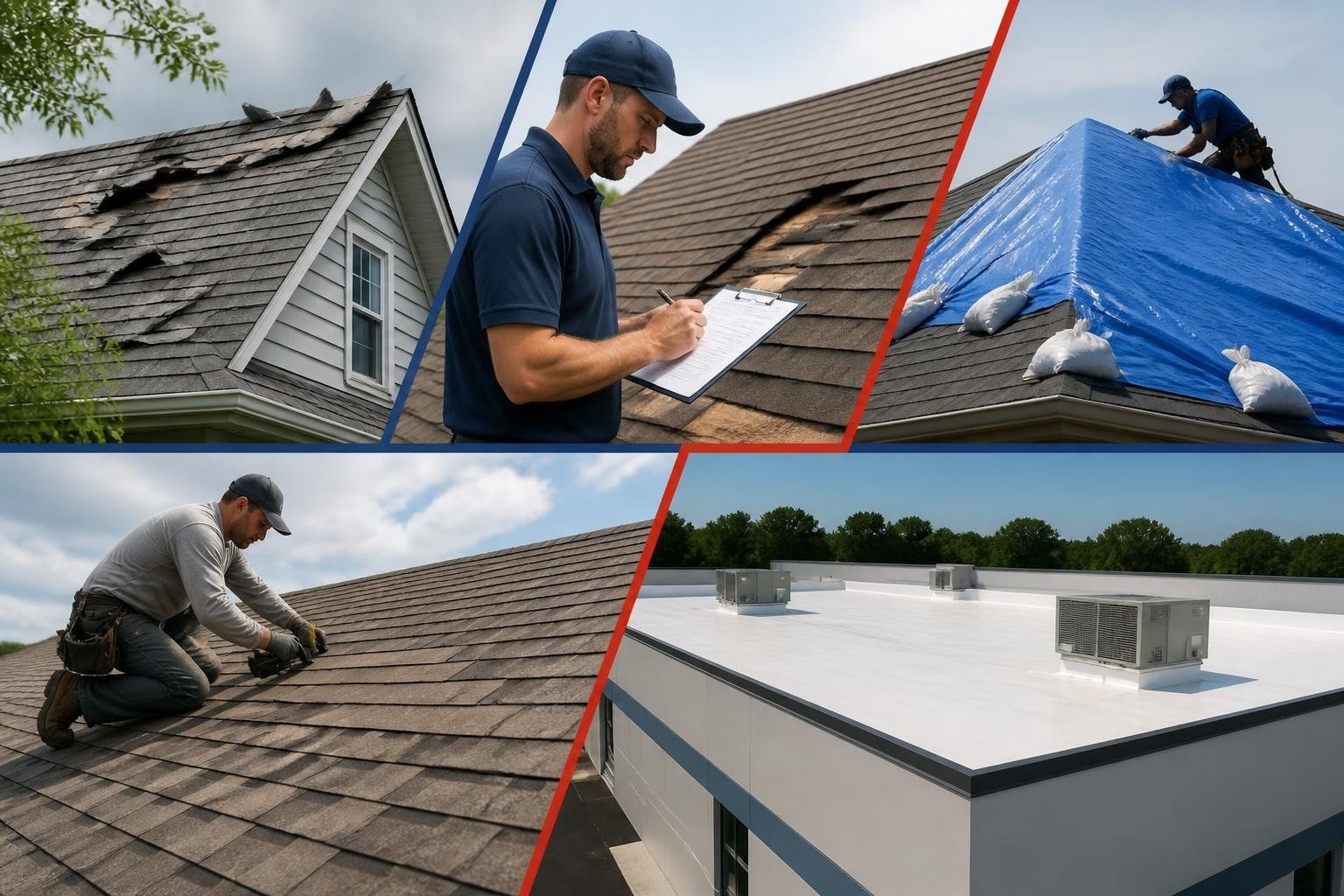
Wind damage does not always involve shingles scattered across a yard. Roofing materials may remain in position after their adhesive seals have separated. These conditions can be difficult to identify from ground level.
Lifted shingle tabs may settle back into place when winds subside. However, repeated movement can weaken surrounding materials and create future water entry points. A professional inspection may be necessary when severe winds have affected the property.
Creasing and Fractures in Asphalt Shingles
Asphalt shingles may develop creases when wind bends them beyond their normal flexibility. These marks can indicate damage to the internal reinforcement or protective surface. The severity depends on the material and the extent of movement.
Creased shingles may no longer provide dependable protection against future storms. Replacing affected components can be appropriate when surrounding materials remain serviceable. Inspectors should also determine whether adjacent shingles have experienced similar stress.
Understanding Ridge Cap and Hip Damage
Ridge caps protect intersections where sloping roof surfaces meet. Their elevated positions expose them to changing airflow and potentially strong uplift forces. Loose or missing ridge caps can leave vulnerable seams exposed.
Hip sections also require secure roofing components because they form prominent intersections between roof planes. Wind may affect these areas differently from broad, uninterrupted surfaces. Proper installation methods account for the shape and exposure of these transitions.
Homeowners consulting Ridge Runner Roofing should ask whether inspection findings include ridge and hip conditions. Damage in these locations may require specialized replacement components. Using suitable materials helps maintain consistent protection across roof intersections.
Examining Flashing After Severe Weather
Flashing protects vulnerable areas around chimneys, vents, skylights, and roof intersections. Strong winds can displace loose metal sections or worsen existing attachment problems. Once flashing becomes separated, rainfall may enter beneath adjacent roofing materials.
Some flashing damage results from movement in surrounding construction rather than direct wind pressure. Inspectors should evaluate the complete assembly to determine why the component became vulnerable. Replacing sealant alone may not resolve improperly secured flashing.
Roof Penetrations and Exposed Fasteners
Roof penetrations interrupt continuous roofing surfaces and require appropriate weatherproofing details. Wind may loosen surrounding components or expose fastening points. These changes can create moisture pathways during later rainfall.
A qualified assessment should distinguish superficial deterioration from functional damage. Repair methods depend on the roofing system and penetration design. Manufacturer requirements should guide material selection and installation.
How Roofing Age Influences Wind Resistance
Roofing materials gradually experience weathering from sunlight, temperature changes, and moisture exposure. Asphalt shingles may lose flexibility as they age, while adhesive seals can become less effective. These conditions may influence how materials respond to strong gusts.
Age alone does not determine whether a roof can withstand severe weather. Installation quality, material specifications, and previous maintenance also matter. Two roofs of similar age may therefore experience different levels of damage.
During Roof Repair planning, contractors should evaluate the condition of surrounding materials. Replacing isolated components may be practical when adjacent shingles remain flexible and secure. Widespread deterioration may require a broader assessment before selecting corrective work.
Choosing Appropriate Repair Methods for Wind Damage
Effective repairs address both displaced materials and the conditions that allowed them to fail. A missing shingle may require replacement, while damaged flashing may need proper refastening or reconstruction. The appropriate method depends on confirmed findings.
Temporary coverings can help limit exposure when immediate permanent repairs are unavailable. However, temporary protection should not be mistaken for completed restoration. Permanent work must follow suitable installation practices.
Matching Replacement Materials to Existing Roofing
Replacement shingles should be compatible with the existing roofing system. Differences in dimensions, thickness, fastening requirements, or material construction can complicate repairs. Color variation may also occur because older materials have experienced weathering.
Homeowners working with Ridge Runner Roofing or another contractor should discuss material compatibility before approving repairs. A suitable replacement should restore weather protection without damaging adjacent components. Written specifications help clarify the proposed work.
Avoiding Unsafe Roof Inspections After Storms
Storm damage can create hazardous conditions around residential properties. Loose roofing materials, fallen branches, damaged electrical lines, and slippery surfaces may present serious risks. Homeowners should avoid climbing onto roofs to investigate suspected damage.
Ground-level observations can still provide useful information. Missing shingles, displaced ridge caps, and roofing debris may be visible from safe locations. Photographs can help document these conditions before professional evaluation.
Documenting Damage Without Disturbing Materials
Homeowners should record visible damage and note when severe weather occurred. Interior water stains, unusual attic moisture, and displaced exterior components may provide additional clues. Documentation can support discussions about necessary repairs.
Damaged materials should not be moved unnecessarily. Disturbing them may create additional exposure or complicate later assessment. Professional inspection provides a safer approach to examining elevated areas.
Preventing Recurring Problems Through Maintenance
Routine maintenance helps identify roofing weaknesses before severe weather exposes them. Loose flashing, deteriorated sealants, and damaged shingles deserve attention during ordinary inspections. Addressing these conditions may reduce preventable storm-related failures.
Trees near a roof also require consideration. Overhanging branches can strike roofing surfaces during strong winds, while falling debris may damage exposed components. Appropriate tree maintenance can reduce certain risks.
Ridge Runner Roofing may be considered when homeowners need professional guidance about recurring roofing concerns. Maintenance recommendations should reflect actual roof conditions rather than general assumptions. Clear inspection findings help prioritize necessary work.
Making Informed Decisions After Wind Damage
Wind damage can affect roof edges, ridge caps, shingles, flashing, and other vulnerable components. Some defects are obvious, while others require careful inspection to identify. Understanding these patterns helps homeowners recognize when further evaluation is appropriate.
Successful Roof Repair depends on identifying damaged materials, checking surrounding components, and selecting compatible replacement methods. Temporary measures may reduce immediate exposure, but permanent repairs should address the underlying problem. Proper documentation also supports clearer project planning.
Homeowners benefit from responding promptly without assuming that every storm requires extensive construction. Careful assessment, suitable materials, and consistent maintenance help preserve roofing performance. These practices support dependable protection against future weather exposure.
About the Author