
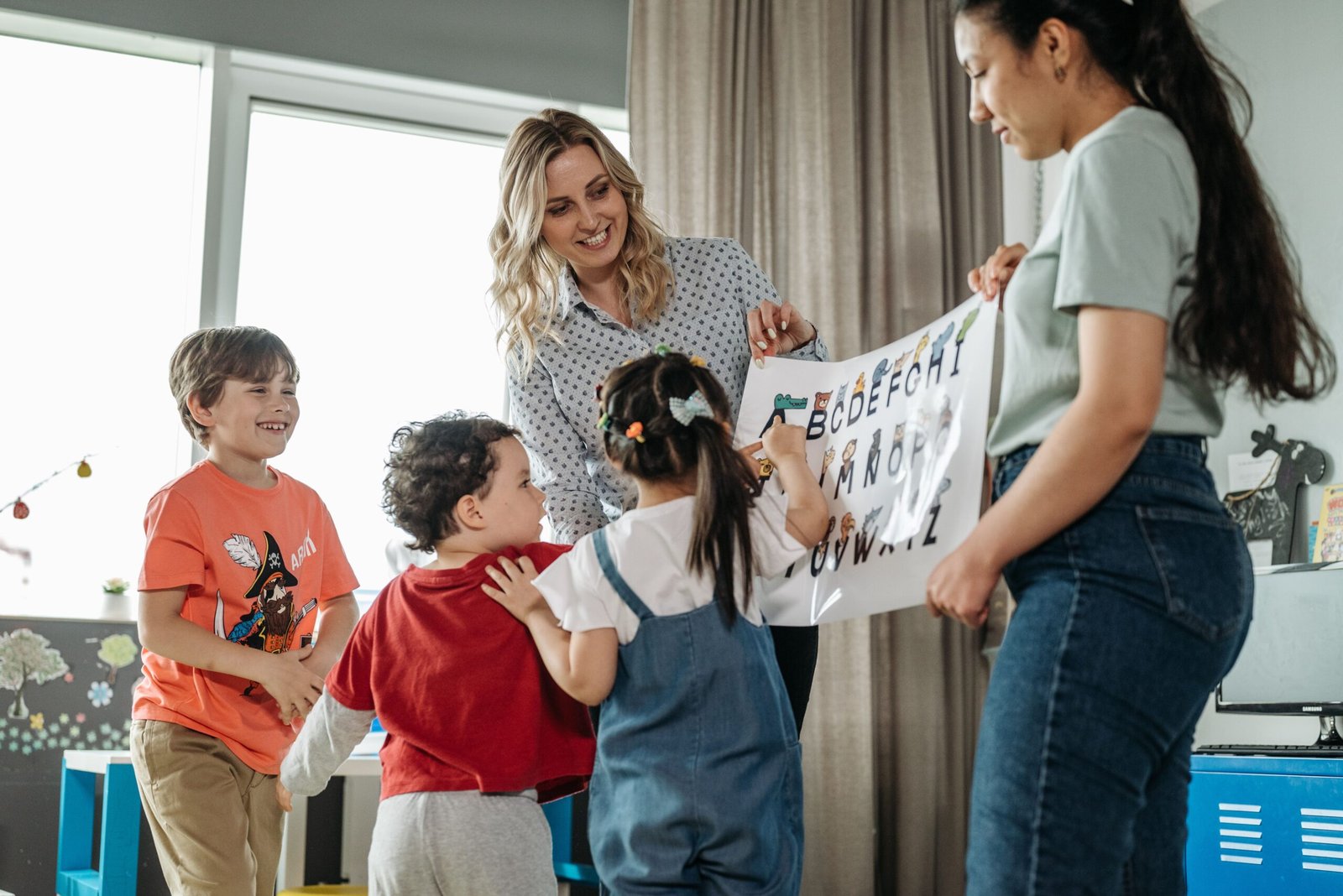
Strong Language Skills
As a teacher, you may assume a child has strong language skills when you understand everything they say. Clear speech can make communication seem easy.
Yet speech clarity tells you how well a child produces sounds. It doesn’t show how well they understand or process language. You also need to consider grammar, sentence meaning, word finding, and memory.
Some children struggle with these skills while speaking clearly. You may notice the problem only when language becomes harder. You may see this gap during longer instructions, complex questions, or detailed conversations.
Knowing what to watch for can help you respond sooner and with better information.
Clear Speech Doesn’t Tell the Whole Story
When you speak with a child, they must process your words before responding. That process takes time, especially when sentences contain complex grammar.
A child may follow a short instruction but miss part of a longer one. They may understand familiar phrases while struggling with new sentence patterns. These difficulties can become harder to spot when speech moves quickly.
A 2024 study examined 18 children with Developmental Language Disorder (DLD) and 18 age-matched peers. It was published in the International Journal of Language & Communication Disorders.
At normal speaking speed, the DLD group averaged 9.7 errors across 48 trials. When sentences slowed by 30%, their average fell to 5.1 errors. The age-matched group changed little, from 4.2 to 5.0 errors.
Slowing speech helped the children notice grammatical differences more accurately. However, regular past tense remained difficult even at the slower rate. So, give the child enough time to answer.
Notice whether extra time changes their response. This can show when a child has more difficulty processing language.
Some Difficulties Appear When Language Gets Harder
Everyday conversation gives children plenty of context. They can rely on familiar words, gestures, and the topic itself. More demanding tasks place greater pressure on sentence processing and memory.
Sentence repetition gives you one useful example. A child must hear, remember, and reproduce a sentence accurately. This task can reveal difficulties that may go unnoticed in everyday communication.
A 2024 study in the Journal of Speech, Language, and Hearing Research reviewed 66 studies across 19 languages. Its analysis included 46 studies and found a 2.08 standard deviation gap between children with DLD and typically developing peers.
You may notice similar patterns when a child follows complex instructions or explains an event. If these problems keep appearing, consider discussing them with a qualified professional.
Assessing these patterns requires specialized knowledge. An online communication disorders degree can prepare professionals to study communication disorders. Professionals may need to consider more than one area of communication.
Elmhurst University notes that speech-language pathologists identify, assess, and treat speech, language, cognitive, and swallowing disorders. This broader role can help them examine a child’s communication skills from different angles.
It can also help them understand whether the same pattern appears at school and during everyday conversation.
Language Skills Also Affect Social Communication
Language is used to join conversations, explain ideas, answer questions, and understand other people. A child with language difficulties can struggle with these tasks even when speech sounds clear.
You might see this when a child needs extra time to respond. They may also lose track of a conversation or struggle to explain what happened. These everyday difficulties can become clearer when you look at social communication more closely.
A 2024 study in the American Journal of Speech-Language Pathology looked at 21 studies involving 6,830 children with DLD. Children with stronger overall language abilities also tended to have better social skills.
The link was small, with a correlation of .18. Overall language skills had a stronger link with social skills than understanding or expressing language alone. This makes everyday communication worth watching, too.
Watch communication across settings. Notice how the child follows conversations, explains ideas, and responds to peers. Look for the same difficulty more than once before you draw conclusions.
A single awkward response tells you little. Repeated trouble with language during social exchanges gives you a clearer pattern.
Look for Patterns Before Seeking Support
One difficult interaction doesn’t tell you much about a child’s language development. Children can lose focus, feel tired, or encounter unfamiliar material. Repeated problems across settings deserve closer attention.
Watch for patterns with complex instructions, word finding, sentence structure, or explaining ideas. Compare what you see during learning tasks with everyday conversations. This can help show where the child may need support.
A 2024 guideline in Deutsches Ärzteblatt International recommends different approaches for different language needs. These include parent training for some young children, language therapy for receptive language difficulties, and specific methods for speech sound and grammar problems.
The guideline also supports early parent- and child-focused intervention and language support in educational settings. The support a child receives can also depend on the difficulty being addressed.
Patricia Ybarra, Speech-Language Pathologist and Research Director, notes that “the nature of each child’s delay determines” the most appropriate intervention and activities.
Focus on the skills causing repeated difficulty. Share specific patterns with a qualified professional who can assess the child. Your observations can help them understand where the child needs support.
Frequently Asked Questions
What is the difference between speech and language?
Speech refers to how you produce sounds and words when you talk. Language covers how you understand and use words, sentences, and meaning. Someone can speak clearly while having difficulty finding words, understanding questions, using grammar, or organizing their thoughts during a conversation.
Can a child have a language disorder without having trouble speaking?
Yes. A child may pronounce words clearly and still struggle with language. You might notice difficulty learning new words, understanding what others say, forming sentences, or telling a story in the right order. These challenges can affect schoolwork and communication even when pronunciation sounds typical.
When should a child have a speech and language evaluation?
Consider an evaluation when communication difficulties persist or begin affecting school, relationships, or daily activities. You might also seek professional advice if a child loses previously developed communication skills. A qualified speech-language professional can assess the child’s communication and determine whether further support is appropriate.
Language Development by the Numbers
| Speech rate and grammatical processing | 18 children with DLD + 18 age-matched peers; 9.7 → 5.1 errors out of 48 trials at 30% slower speech; past tense remained difficult. |
| Sentence repetition and DLD | 66 studies; 19 languages; 46 studies in meta-analysis; 2.08 SD gap between DLD and typically developing peers. |
| Language skills and social communication | 21 studies; 6,830 children with DLD; correlation of .18; stronger link for overall language skills. |
| Support based on language difficulty | 2024 clinical guideline; early parent- and child-focused intervention; different approaches for receptive, expressive, speech-sound, and grammar difficulties. |
What Happens When Language Gets Harder
A child can speak clearly and still struggle when language becomes more demanding. Those difficulties may show up in instructions, sentence tasks, or everyday conversations.
Watch what happens when language demands increase. Look for difficulties that continue across time and settings. When those concerns persist, share specific observations with a qualified professional.
Clear speech can exist alongside real language difficulties. Looking at the full picture can help you understand what support a child may need.
About the Author