A donnybrook is one of those English words that feels dramatic the moment you hear it. It sounds like noise, motion, and confusion all rolled into one. That’s not an accident. The word carries a real historical story rooted in Dublin, Ireland, where a once-famous fair slowly turned into a symbol of public chaos.
Today, people use donnybrook to describe fights, arguments, or situations where control disappears. But behind that modern meaning sits a very specific place, a real event, and a cultural shift that shaped the word over centuries.
Let’s break it down clearly and in depth.
What Does “Donnybrook” Mean? Modern Definition and Usage
In modern English, a donnybrook means a noisy, chaotic fight or brawl, often involving many people rather than just two.
However, it does not always mean physical violence. Context matters.
Common meanings today:
- A loud public fight or brawl
- A heated argument that spirals out of control
- A chaotic situation with confusion and disorder
- A metaphorical “mess” in politics, sports, or meetings
Simple examples:
- “The debate turned into a donnybrook after the controversial vote.”
- “Fans turned the match into a donnybrook after the final whistle.”
- “The board meeting became a donnybrook over budget cuts.”
What makes the word special is its colorful tone. It feels more vivid than “fight” or “argument.” It adds drama without needing extra explanation.
Origin of the Word “Donnybrook”
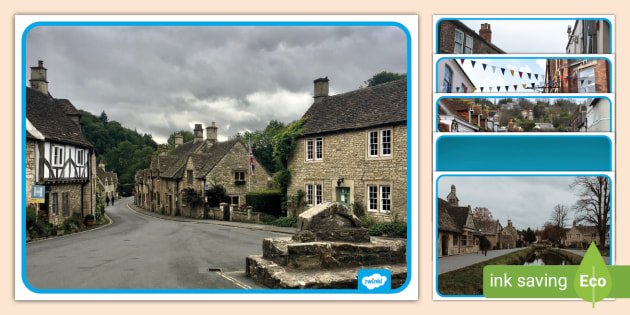
The origin of donnybrook is not abstract or symbolic at first. It comes from a real place:
👉 Donnybrook, a suburb of Dublin, Ireland
The name itself comes from the Irish Domhnach Broc, meaning “Church of Saint Broc.”
But the meaning changed because of what happened there every year.
The Donnybrook Fair: Where Everything Began
The real story behind the word starts with the Donnybrook Fair, one of the most famous historical fairs in Ireland.
What was the Donnybrook Fair?
The fair began around the early 13th century, and it became an annual event that lasted for centuries. It was originally a licensed trading fair where people bought and sold goods such as:
- Livestock
- Cloth and textiles
- Household tools
- Food and drink
But over time, it became something very different.
What made it famous?
By the 17th and 18th centuries, the Donnybrook Fair had developed a reputation for:
- Heavy drinking
- Street entertainment
- Gambling
- Loud music and dancing
- Frequent fights and disorder
A visitor in the 1700s described it bluntly:
“A place where peace goes to disappear and noise takes its throne.”
That reputation stuck.
Why the Donnybrook Fair Turned Chaotic
The fair grew too large and too uncontrolled. Several factors fueled the disorder:
Alcohol consumption
Beer and spirits flowed freely. There were few restrictions, and public drunkenness became common.
Lack of policing
Early fairs had minimal enforcement. Disputes often escalated without intervention.
Crowded environment
Thousands of people gathered in tight spaces. Tensions rose quickly.
Gambling disputes
Wagers on games, animals, and contests often ended in arguments.
Cultural acceptance of rough entertainment
In that era, physical confrontation was more socially tolerated than it is today.
All of this created a predictable outcome: chaos became part of the fair’s identity.
How “Donnybrook” Became a Word for Chaos
Language often evolves through association. That’s exactly what happened here.
People began linking the Donnybrook Fair with brawls and disorder. Over time, instead of saying “a fight at the fair,” people started saying:
👉 “a donnybrook”
This linguistic shift followed a clear path:
| Stage | Meaning |
| Place name | Donnybrook, Dublin suburb |
| Event name | Donnybrook Fair |
| Reputation | Violent, chaotic gatherings |
| Metaphor | Any chaotic fight or disorder |
By the 19th century, English writers had already adopted donnybrook as a general term for chaos.
Donnybrook Fair Timeline (Key Historical Milestones)
| Year | Event |
| 1204 | Donnybrook Fair is first granted official license |
| 1600s | Fair becomes widely popular across Ireland |
| 1700s | Reputation for drinking and fighting increases |
| Early 1800s | Authorities begin restricting behavior |
| 1866 | Donnybrook Fair is officially abolished |
The fair lasted over 650 years, which is unusually long for any public festival.
Why the Fair Was Eventually Shut Down
By the 19th century, the fair’s reputation had become too negative.
Authorities cited several issues:
- Public disorder and violence
- Unsafe conditions for families
- Damage to local property
- Rising crime during fair days
A Dublin official reportedly described it as:
“A yearly disturbance that no longer serves its original purpose.”
In 1866, the fair was officially discontinued.
But the word donnybrook had already escaped its origin.
How Donnybrook Became a Metaphor in English
Once the fair disappeared, the word remained alive in language.
Writers and journalists began using donnybrook as a shorthand for:
- Political chaos
- Street fights
- Public arguments
- Disrupted meetings
This is similar to other English words that evolved from places:
| Word | Origin | Meaning today |
| Bedlam | Hospital in London | Chaos and confusion |
| Pandemonium | Milton’s Paradise Lost | Wild disorder |
| Donnybrook | Dublin fair | Noisy brawl |
Language often preserves emotional history, even when physical locations fade from memory.
Donnybrook in Modern Usage
Today, the word appears frequently in media, politics, and sports journalism.
In politics
Used when debates become aggressive or uncontrolled.
- “The session turned into a donnybrook over tax reform.”
In sports
Very common in hockey, boxing, and football coverage.
- “The match ended in a donnybrook after a late foul.”
In news reporting
Journalists use it to add dramatic tone.
- “The protest escalated into a donnybrook downtown.”
The word adds energy without needing graphic description.
Real-Life Examples of Donnybrook Usage
Here are clear, realistic examples showing how flexible the word is:
- A school board meeting becomes a donnybrook after budget cuts spark disagreement
- A political debate turns into a donnybrook on live television
- A football match ends in a donnybrook after a controversial penalty
- A neighborhood dispute escalates into a donnybrook outside city hall
Notice how the word works in both physical and non-physical conflict.
Synonyms and How They Differ
Although several words sound similar, donnybrook carries a unique tone.
| Word | Meaning | Tone |
| Brawl | Physical fight | Direct and simple |
| Melee | Crowded fight | Slightly formal |
| Fracas | Loud disturbance | Mildly formal |
| Ruckus | Noise and disorder | Casual |
| Free-for-all | Uncontrolled fight | Informal |
| Donnybrook | Chaotic, noisy conflict | Colorful and expressive |
Key insight:
Donnybrook often feels more dramatic and theatrical than its synonyms.
Common Misunderstandings About Donnybrook
Many people misunderstand the word due to its sound and rarity.
It is not a modern event
The original fair no longer exists.
It does not always mean physical fighting
It can describe verbal chaos too.
It is not slang
It is a legitimate English word with historical roots.
It is not region-specific anymore
It is used in global English, especially journalism.
Read More: Foot the Bill Idiom Definition: Meaning, Origin and Usage
Cultural and Media References
The word appears in many areas of modern storytelling and reporting.
Journalism
Reporters use it because it adds vivid imagery without exaggeration.
Sports commentary
Commentators use it when describing bench-clearing incidents or heated rivalries.
Literature and film
Writers use it to create a sense of chaotic energy.
Even modern audiences may not know the origin, but they understand the feeling immediately.
Linguistic Evolution of Donnybrook
The evolution of donnybrook is a classic example of semantic shift, where a word changes meaning over time.
Step-by-step evolution:
- Geographic name
- Event-based identity
- Cultural reputation
- Abstract metaphor
This process happens when language absorbs strong emotional associations.
Other similar transformations include:
- “Silhouette” (from a finance minister’s name)
- “Boycott” (from Charles Boycott’s name)
- “Sandwich” (from Earl of Sandwich)
Donnybrook fits perfectly into this category of linguistic history.
Interesting Facts About Donnybrook
Here are some lesser-known but fascinating facts:
- The Donnybrook Fair lasted more than six centuries
- It was once considered one of Europe’s largest rural fairs
- The word entered English dictionaries in the 19th century
- It is still widely used in Irish English today
- The original site in Dublin is now a quiet residential area
Quick Summary of Donnybrook Meaning and Origin
- Origin: Donnybrook, Dublin, Ireland
- Historical source: Donnybrook Fair
- Original reputation: noisy, chaotic, often violent gatherings
- Modern meaning: a chaotic fight or disorderly situation
- Usage: politics, sports, media, everyday speech
FAQs
Is Donnybrook still a place?
Yes. Donnybrook is now a residential suburb in Dublin, Ireland, far removed from its chaotic past.
Is donnybrook a formal word?
Yes. It appears in dictionaries and is widely accepted in standard English.
What is the difference between a brawl and a donnybrook?
A brawl usually describes a physical fight. A donnybrook can include verbal chaos and broader disorder.
Why do journalists use the word donnybrook?
Because it adds vivid imagery and conveys chaos in a single word.
Is donnybrook offensive?
No. It is descriptive, not insulting, though it often refers to negative situations.
Conclusion
The word donnybrook survived because it carries history inside its sound. It started as a place, turned into a fair, became a symbol of chaos, and finally evolved into a powerful metaphor used worldwide.
It works because it paints a picture instantly. You don’t just understand the meaning. You can almost hear the noise, feel the confusion, and see the crowd in motion.
That’s the power of language shaped by real human history.
About the Author