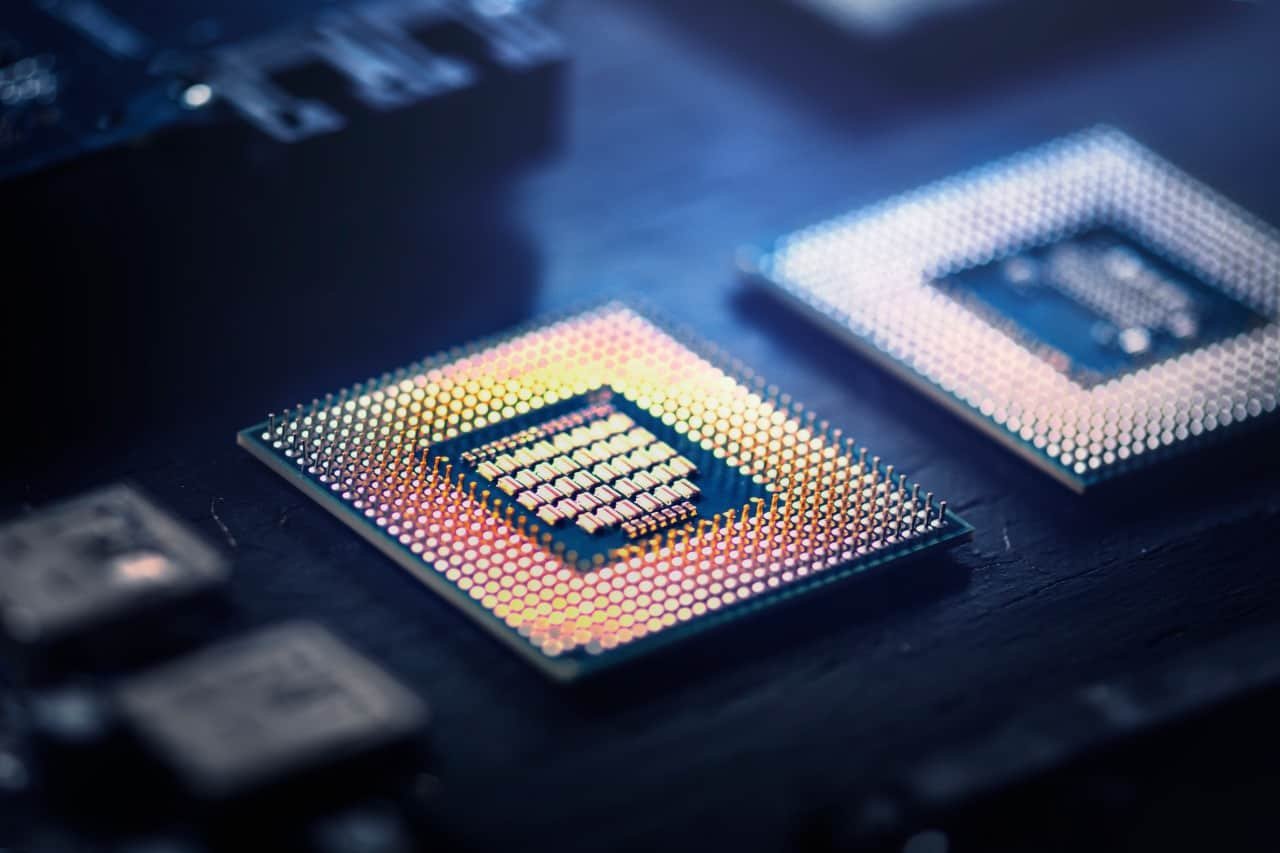
Smart microchip background on a motherboard closeup technology
The semiconductor industry plays an important role in modern technology, powering products and systems ranging from smartphones and computers to electric vehicles, data centres, and artificial intelligence applications. For investors in Singapore who want exposure to this growing industry, a semiconductor ETF can provide a convenient way to invest in a basket of semiconductor-related companies.
Instead of selecting individual chip manufacturers or technology companies, an ETF can provide exposure to multiple businesses through a single investment. However, semiconductor ETFs can be more volatile than broad-market funds, making it important to understand their structure, costs, and risks before investing.
What Is a Semiconductor ETF?
A semiconductor etf singapore is an exchange-traded fund designed to provide exposure to companies involved in the semiconductor industry.
Depending on the fund’s investment strategy, the portfolio may include businesses involved in chip design, manufacturing, semiconductor equipment, testing, and related technologies.
Rather than purchasing shares in individual companies, investors can buy units of the ETF through a brokerage account. The ETF’s value generally changes according to the performance of its underlying holdings and other factors such as fees and market conditions.
Why Consider a Semiconductor ETF in Singapore?
Singapore investors may consider a semiconductor ETF if they want targeted exposure to the global technology and chip industry.
Semiconductors are used across many areas of the economy, including:
- Artificial intelligence
- Consumer electronics
- Cloud computing
- Automotive technology
- Telecommunications
- Industrial equipment
- Data centres
- Internet-connected devices
The sector’s importance has increased as businesses and consumers rely more heavily on digital technologies.
However, strong industry demand does not guarantee that every semiconductor company or ETF will perform well.
How Semiconductor ETFs Work
A semiconductor ETF generally follows a specific index or investment strategy focused on companies connected to the semiconductor industry.
Some ETFs may hold a large number of companies, while others may concentrate on a smaller group of major businesses.
The weighting of individual companies can also vary. If a few large companies make up a significant portion of the fund, their performance may have a greater impact on the ETF’s overall results.
Investors should therefore examine the ETF’s holdings and methodology before investing.
Benefits of Investing in a Semiconductor ETF
Industry Diversification
A semiconductor ETF can provide exposure to multiple companies within the industry. This may be less concentrated than purchasing shares in only one semiconductor company.
Exposure to Technology Trends
The semiconductor sector is closely connected to developments in artificial intelligence, cloud computing, automation, connected devices, and advanced electronics.
Investors who want exposure to these long-term technology trends may consider a semiconductor ETF as one possible approach.
Convenient Access
An ETF allows investors to gain exposure to a group of semiconductor companies through one exchange-traded investment rather than purchasing each stock separately.
Potential for Long-Term Growth
Demand for chips can be influenced by technological development and increasing digitalisation. This can create growth opportunities for semiconductor businesses, although future returns are uncertain.
Risks of Semiconductor ETFs
A semiconductor ETF in Singapore can carry higher sector-specific risk than a broad-market ETF.
The semiconductor industry is cyclical, meaning demand and company earnings can change significantly during different economic periods. Semiconductor companies may also face supply-chain disruptions, inventory fluctuations, rising production costs, and changing consumer demand.
Technology companies can also experience rapid changes in competition and innovation. A company that is successful today may face new competitive pressures in the future.
Semiconductor Industry Cycles
The semiconductor industry can experience periods of strong demand followed by weaker conditions.
When demand for electronics and computing products rises, chip manufacturers and suppliers may benefit. However, excessive production or weaker demand can lead to inventory build-ups and lower prices.
These cycles can influence the financial performance of semiconductor companies and, in turn, the value of a semiconductor ETF.
For investors, understanding this cyclical nature can help set realistic expectations.
How to Choose a Semiconductor ETF in Singapore
There are several factors to consider when comparing semiconductor ETFs.
Fund Holdings
Review the companies included in the ETF. Check whether the fund is diversified across different semiconductor businesses or heavily concentrated in a small number of companies.
Expense Ratio
The expense ratio represents the ongoing cost of managing the fund. Lower expenses can help reduce the long-term cost of investing, although fees should be evaluated alongside other factors.
ETF Structure
Check how the ETF tracks its underlying index or sector. Different funds can use different replication methods and structures.
Liquidity
Trading liquidity can affect the ease and cost of buying or selling an ETF. Investors can review trading volume and bid-ask spreads when comparing funds.
Geographic Exposure
Not every semiconductor ETF has the same geographic exposure. Some may focus heavily on US companies, while others may include businesses from Asia, Europe, or other markets.
This is particularly relevant for Singapore investors seeking either global diversification or specific regional exposure.
Currency Considerations
Singapore investors should also consider currency exposure when investing in overseas semiconductor ETFs.
Many semiconductor companies and ETFs are associated with markets outside Singapore and may trade in currencies such as the US dollar. Changes in exchange rates can therefore influence returns when measured in Singapore dollars.
An ETF may also offer currency-hedged versions, depending on the market and fund provider. Investors should understand the costs and characteristics of any hedging strategy before choosing a product.
Semiconductor ETF vs. Broad Technology ETF
A semiconductor ETF is generally more focused than a broad technology ETF.
A semiconductor fund may concentrate primarily on chip manufacturers, designers, and related businesses. A broad technology ETF can include companies from many technology subsectors.
The more focused nature of a semiconductor ETF can provide greater exposure to the chip industry but may also increase sector-specific risk.
Investors should choose between them based on the level of industry exposure they want in their overall portfolio.
Semiconductor ETF vs. Individual Semiconductor Stocks
Buying individual semiconductor stocks gives investors control over specific companies. However, it also creates greater company-specific risk.
A semiconductor ETF spreads investment across multiple companies, potentially reducing the impact of one company’s poor performance.
On the other hand, strong performance from one individual stock may have a larger impact on a direct investment than it would in a diversified ETF.
Costs to Consider
Before investing in a semiconductor ETF, consider all relevant costs rather than focusing only on the fund’s expense ratio.
Potential costs may include:
- ETF management fees
- Brokerage commissions
- Bid-ask spreads
- Currency conversion charges
- Platform fees
- Applicable taxes or charges
These costs can affect the overall investment return, especially for investors who trade frequently.
How to Invest in a Semiconductor ETF in Singapore
Singapore investors generally need a brokerage account that provides access to the exchange where their chosen semiconductor ETF is listed.
Before investing, research the ETF carefully and review its official fund information. Check its ticker, holdings, investment objective, expense ratio, currency, distribution policy, and risk factors.
It is also important to understand the trading costs associated with the brokerage platform you use.
Is a Semiconductor ETF Suitable for Beginners?
A semiconductor ETF can provide an easier way for beginners to gain exposure to the industry than selecting individual semiconductor companies.
However, the sector can be volatile, and beginners should understand that a focused ETF may experience larger price movements than a diversified market ETF.
Investors should consider their risk tolerance and investment horizon before allocating money to a specialised sector fund.
Conclusion
A semiconductor ETF in Singapore can provide convenient exposure to an important global industry that supports artificial intelligence, electronics, computing, automotive technology, and many other areas. By investing in a basket of semiconductor-related companies, an ETF can offer more diversification than purchasing a single chip company.
However, semiconductor ETFs also come with sector-specific risks, market volatility, currency considerations, and investment costs. Before choosing a fund, review its holdings, geographic exposure, fees, structure, liquidity, and risk profile. A semiconductor ETF may be useful as part of a diversified portfolio, but investors should ensure that its level of sector concentration matches their overall financial goals and risk tolerance.
About the Author