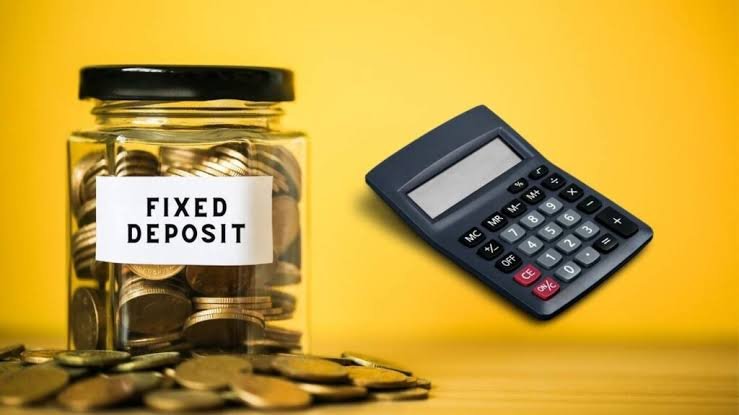
A fixed deposit calculator is a useful tool for Hong Kong savers who want to estimate how much interest they could earn by placing money into a fixed deposit. By entering the deposit amount, interest rate, and deposit period, you can quickly estimate the potential interest and maturity amount.
For people comparing different fixed deposit options in Hong Kong, a calculator can make it easier to understand how changes in the interest rate or deposit tenure may affect the final return.
What Is a Fixed Deposit Calculator?
A fixed deposit calculator is designed to estimate the interest earned on a fixed-term deposit.
The basic information usually includes:
- Initial deposit amount
- Annual interest rate
- Deposit tenure
- Currency
- Interest payment arrangement
The calculator then uses these details to estimate the interest and total amount at maturity.
For Hong Kong savers, this can be useful for comparing HKD fixed deposits as well as deposits denominated in currencies such as USD or RMB.
How Does a Fixed Deposit Calculator Work?
A simple 定期存款計算機 can be based on the following formula:
Interest = Principal × Annual Interest Rate × Time
For example, suppose you deposit HK$100,000 at an annual interest rate of 3% for six months.
The estimated interest would be:
HK$100,000 × 3% × 6/12 = HK$1,500
The estimated maturity amount would therefore be HK$101,500.
This is a simplified example. The actual amount paid can vary depending on the financial institution’s calculation method and the specific terms of the deposit.
Why Use a Fixed Deposit Calculator in Hong Kong?
A fixed deposit calculator Hong Kong tool can help savers compare potential returns before committing their money.
For example, you could calculate the estimated return on HK$50,000 for three months, six months, and twelve months. You could then compare those results with different interest rates.
This makes it easier to understand the relationship between:
- Deposit amount
- Interest rate
- Deposit period
- Potential interest
- Maturity value
What Information Do You Need?
Deposit Amount
Enter the amount you intend to place into the fixed deposit.
For example, this could be HK$20,000, HK$50,000, or HK$100,000.
Interest Rate
Enter the annual interest rate offered for the specific deposit.
If you are using a promotional rate, make sure you meet all eligibility requirements before relying on that rate in your calculation.
Deposit Tenure
Enter how long the money will remain deposited.
Common terms include:
- One month
- Three months
- Six months
- Twelve months
The available terms vary between financial institutions.
Example of a Fixed Deposit Calculation
Imagine you place HK$200,000 into a fixed deposit at an annual rate of 2.8% for one year.
Using a simple calculation:
HK$200,000 × 2.8% × 1 = HK$5,600
The estimated maturity value would be:
HK$205,600
If the same deposit were held for six months:
HK$200,000 × 2.8% × 6/12 = HK$2,800
The estimated maturity amount would be HK$202,800.
These examples are for illustration and do not represent a guaranteed rate or return.
Comparing Different Fixed Deposit Rates
One of the most useful purposes of a calculator is comparing rates.
Suppose you have HK$100,000 available for a six-month deposit:
| Annual Rate | Estimated Interest |
| 2.0% | HK$1,000 |
| 2.5% | HK$1,250 |
| 3.0% | HK$1,500 |
| 3.5% | HK$1,750 |
| 4.0% | HK$2,000 |
This simple comparison shows how even a small difference in the annual rate can affect the interest earned.
However, the highest rate may come with conditions such as a larger minimum deposit or new-fund requirements.
Fixed Deposit Calculator for Different Currencies
Hong Kong savers may use fixed deposits in several currencies.
A calculator can help estimate returns for:
- HKD
- USD
- RMB
- Other supported currencies
However, the calculator usually focuses on interest and does not automatically account for foreign-exchange movements.
If you convert HKD into another currency before opening the deposit, exchange-rate changes can affect the final value when you convert the funds back into HKD.
Promotional Rates and Calculations
Promotional fixed deposit rates can make comparisons more complicated.
A promotional rate may be available only when certain requirements are met, such as:
- New funds
- Minimum deposit amount
- Specific deposit tenure
- New-customer status
- Online application
- Limited promotional period
If you use a promotional rate in your calculation, first confirm that you qualify.
Otherwise, the estimated return may be higher than the amount you can actually receive.
Does a Fixed Deposit Calculator Give an Exact Result?
Not always.
A calculator generally provides an estimate based on the information entered. The actual interest can depend on the institution’s specific calculation method.
Factors that may affect the final amount include:
- Number of days in the deposit period
- Interest calculation convention
- Deposit amount
- Applicable rate
- Promotional conditions
- Early withdrawal
- Interest payment arrangements
Therefore, the calculator result should be compared with the actual deposit terms before making a decision.
Fixed Deposit Calculator and Early Withdrawal
Fixed deposits are generally designed to remain untouched until maturity.
If you withdraw the money early, you may receive reduced interest or no interest, depending on the product.
This is an important reason to avoid placing emergency savings into a fixed deposit unless you fully understand the withdrawal conditions.
Keeping some money in an easily accessible savings account can provide greater flexibility.
Short-Term and Long-Term Deposits
A calculator can help compare different deposit periods.
Short-Term Deposits
A short-term deposit may provide more flexibility because the money becomes available again sooner.
It may be suitable for someone who expects to need the funds within a few months.
Long-Term Deposits
A longer-term deposit can lock in an interest rate for a longer period.
However, you may miss out on potentially higher rates if market rates increase after your deposit has been placed.
The appropriate tenure depends on when you expect to need the money.
Fixed Deposit Calculator vs. Savings Account
A fixed deposit and a savings account serve different purposes.
A fixed deposit generally requires you to commit your money for a specified period, while a savings account usually provides easier access.
A fixed deposit may be attractive when you want a predictable return, whereas a savings account may be more appropriate for emergency funds or short-term expenses.
Important Factors Beyond Interest Rate
When comparing fixed deposits in Hong Kong, do not focus only on the advertised percentage.
Consider:
- Deposit amount
- Annual interest rate
- Tenure
- Minimum balance
- Promotional conditions
- New-fund requirements
- Early withdrawal rules
- Interest payment timing
- Currency
- Deposit protection
A slightly lower rate may sometimes be more suitable if it provides better flexibility or has fewer restrictions.
Tips for Using a Fixed Deposit Calculator
To get a more realistic estimate:
- Use the actual deposit amount.
- Enter the annual rate correctly.
- Select the correct tenure.
- Check whether the rate is promotional.
- Confirm the minimum deposit requirement.
- Consider the effect of early withdrawal.
- Check whether interest is paid at maturity.
- Consider currency conversion costs for foreign-currency deposits.
- Compare multiple scenarios.
- Confirm the latest rate before placing your deposit.
Conclusion
A fixed deposit calculator in Hong Kong can make it easier to estimate potential interest and compare different deposit options. By entering the deposit amount, annual interest rate, and tenure, savers can quickly see how much they might receive at maturity.
However, calculator results are estimates and may not exactly match the final interest paid. Promotional conditions, calculation methods, early withdrawal rules, deposit tenure, and currency can all affect the actual return. By using a calculator together with careful comparison of the complete deposit terms, Hong Kong savers can make more informed decisions about where and how to place their savings.
About the Author