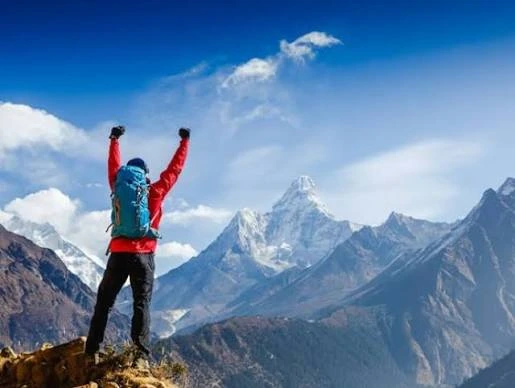
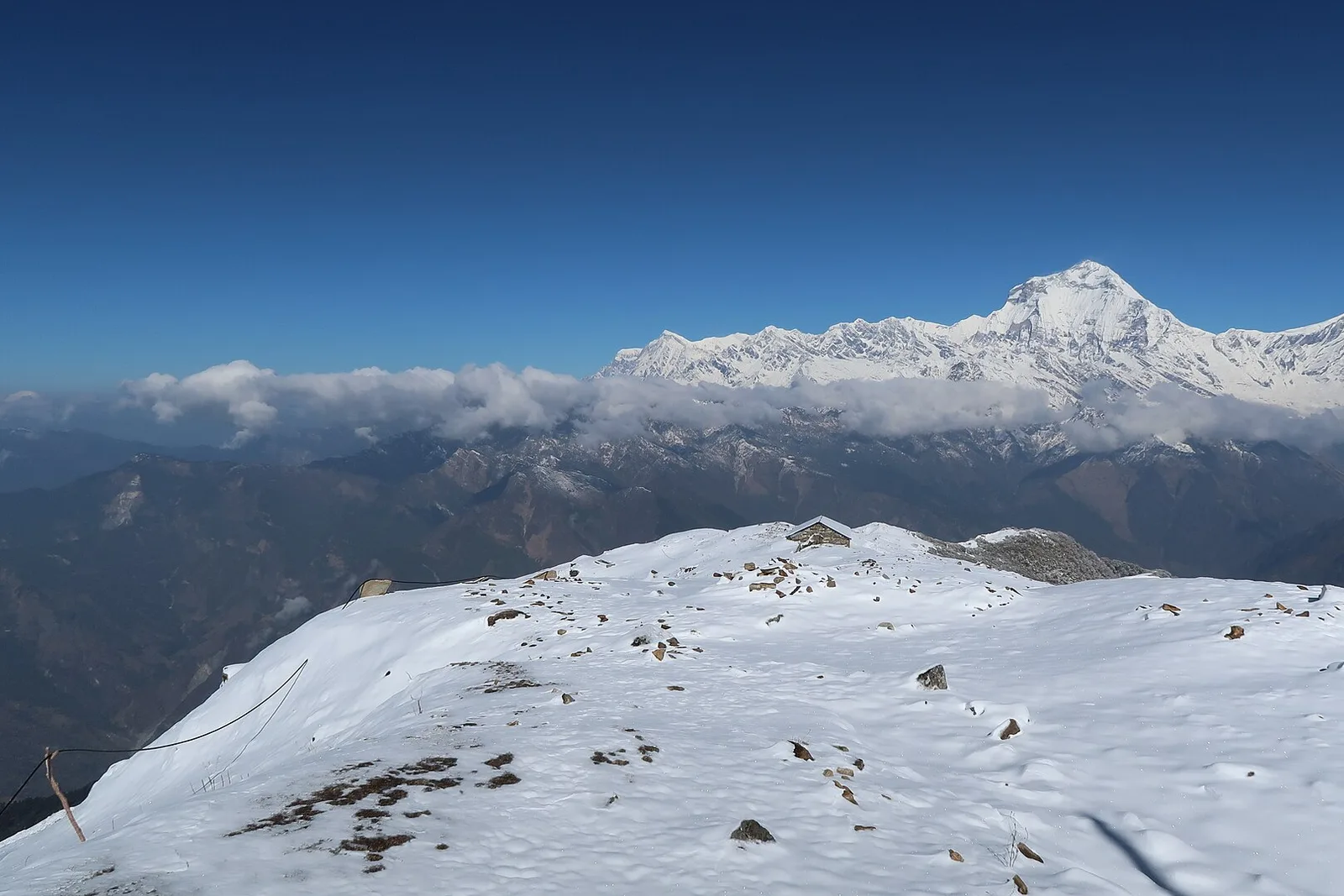
The Khopra Ridge Trek is a spectacular off-the-beaten-path adventure in Nepal’s Annapurna region. Known for panoramic Himalayan views, peaceful trails, traditional villages, and the beautiful Khayer Lake, this trek offers an excellent alternative to some of Nepal’s busier trekking routes. From the ridge, trekkers can enjoy impressive views of Dhaulagiri, Annapurna South, Nilgiri, Fang, and other snow-covered peaks.
The route combines forest trails, mountain ridges, terraced farmland, and high-altitude landscapes. With a well-planned itinerary and proper preparation, the Khopra Ridge Trek can be an unforgettable experience for travelers looking for a quieter Himalayan adventure.
Khopra Ridge Trek Overview
The Khopra Ridge route is located in the Annapurna region and can generally be accessed from Pokhara. The trek passes through beautiful villages and forests before climbing toward Khopra Ridge, where the surrounding Himalayan panorama becomes the main attraction.
The highest point of the standard trek is around 3,660 meters (12,008 feet) at Khopra Ridge. Trekkers who have enough time and energy can also take a challenging side trip to Khayer Lake, which sits at a much higher elevation.
Most Khopra Ridge itineraries take approximately 7 to 10 days, although the duration can vary depending on the starting point, side trips, transportation, and walking pace.
Khopra Ridge Trek Route
The route commonly begins near Pokhara and passes through settlements such as Ghandruk, Tadapani, Chistibung, and Khopra Ridge. Unlike some of the more crowded Annapurna trails, sections of this route are relatively peaceful.
The lower part of the trail passes through rhododendron and oak forests, while the higher sections open onto grassy ridges with spectacular mountain views.
One of the major advantages of the route is that trekkers can experience both cultural and natural attractions within a relatively short trekking itinerary.
Khopra Ridge Trek Itinerary
Day 1: Pokhara to Ghandruk
The journey usually begins with transportation from Pokhara toward Ghandruk. This traditional Gurung village is surrounded by green hills and impressive mountain scenery.
You can explore the village and experience traditional Himalayan culture before beginning the main trek.
Day 2: Ghandruk to Tadapani
The trail climbs through beautiful rhododendron and oak forests toward Tadapani. During spring, blooming rhododendrons can add vibrant colors to the landscape.
Tadapani is also known for impressive views of Annapurna South and other surrounding peaks.
Day 3: Tadapani to Chistibung
The route leaves the busier trails and follows a quieter path toward Chistibung. The landscape gradually changes as you gain elevation.
The peaceful environment and forest scenery make this section especially enjoyable for trekkers looking to escape crowded routes.
Day 4: Chistibung to Khopra Ridge
This is one of the most rewarding sections of the trek. The trail climbs steadily toward Khopra Ridge, where the landscape opens into dramatic mountain views.
From the ridge, trekkers can see Dhaulagiri and several peaks of the Annapurna range. Watching sunrise or sunset from Khopra Ridge can be a memorable experience when the weather is clear.
Day 5: Explore Khopra Ridge or Hike Toward Khayer Lake
Trekkers can use this day to explore the ridge or undertake the demanding hike toward Khayer Lake.
The Khayer Lake excursion involves a significant elevation gain and requires good fitness and suitable weather. Those who prefer a relaxed schedule can explore viewpoints around Khopra Ridge instead.
Day 6: Khopra Ridge to Swanta
Begin descending toward Swanta. The trail passes through alpine and forested landscapes before reaching the village.
The descent provides a noticeable change in scenery as temperatures become warmer and vegetation becomes denser.
Day 7: Swanta to Ulleri
Continue toward Ulleri through forests, villages, and terraced farmland. The route provides another opportunity to experience local life in the Annapurna region.
Day 8: Ulleri to Pokhara
After completing the trekking section, travel from Ulleri toward Pokhara. Depending on road conditions and transportation arrangements, the journey can take several hours.
Once in Pokhara, you can relax and enjoy the city’s lakeside atmosphere.
Khopra Ridge Trek Cost
The Khopra Ridge Trek cost depends on the trekking company, itinerary length, group size, accommodation, guide and porter services, meals, transportation, and permit arrangements.
A typical trekking package may include:
- Professional trekking guide
- Porter services
- Accommodation during the trek
- Meals according to the selected package
- Transportation between Pokhara and the trekking route
- Required trekking permits and documentation
Additional expenses may include international flights, Nepal visa fees, travel insurance, personal trekking equipment, snacks, drinks, tips, Wi-Fi, charging, and extra accommodation.
Before booking, ask the trekking company for a detailed breakdown of inclusions and exclusions.
Khopra Ridge Trek Difficulty
The Khopra Ridge Trek difficulty is generally considered moderate, although the Khayer Lake side trip can make the trek considerably more demanding.
The standard route does not require technical climbing skills, but trekkers should be prepared for steep ascents, uneven terrain, stone steps, and several hours of walking each day.
The main challenges include:
- Steep uphill sections
- Long walking days
- Uneven mountain trails
- Changing weather
- Increasing altitude
- The demanding Khayer Lake excursion
Regular walking, hiking, stair climbing, and cardiovascular exercise before the trip can improve endurance. During the trek, maintain a steady pace and take adequate rest.
Best Time to Trek Khopra Ridge
The best time to trek Khopra Ridge is generally during spring and autumn.
Spring: March to May
Spring offers pleasant temperatures, clear mountain views, and colorful rhododendron forests. The blooming flowers make the forest sections particularly attractive.
Autumn: September to November
Autumn is another excellent season. After the monsoon, skies are often clearer, and the mountain views can be spectacular.
Winter: December to February
Winter can bring snow and freezing temperatures at higher elevations. The trek remains possible for experienced and properly equipped trekkers, but conditions may be more challenging.
Monsoon: June to August
Monsoon brings rain, slippery trails, muddy sections, and clouds that can reduce mountain visibility. Travelers choosing this period should be prepared for changing conditions.
What to Pack for Khopra Ridge
A good packing list should include sturdy trekking boots, comfortable hiking trousers, thermal layers, fleece clothing, a waterproof jacket, gloves, a warm hat, sunglasses, sunscreen, and a sleeping bag.
Other useful items include trekking poles, a reusable water bottle, headlamp, power bank, personal medication, basic first-aid supplies, toiletries, and copies of important travel documents.
If you plan to hike toward Khayer Lake, additional warm clothing and suitable footwear are particularly important.
Why Choose the Khopra Ridge Trek?
The biggest attraction of the Khopra Ridge Trek is its combination of spectacular scenery and quieter trails. Trekkers can enjoy panoramic views of the Annapurna and Dhaulagiri ranges without following the busiest trekking routes throughout the journey.
The route also provides opportunities to experience traditional Gurung communities, forests, mountain villages, and local teahouses.
For photographers, the elevated ridge offers excellent opportunities to capture sunrise, sunset, and wide Himalayan panoramas.
Final Thoughts
The Khopra Ridge Trek is an excellent choice for travelers who want a scenic and relatively peaceful Himalayan adventure. The route combines traditional villages, rhododendron forests, high mountain ridges, and spectacular views of some of Nepal’s most impressive peaks.
With a suitable itinerary, realistic budget, appropriate equipment, and good physical preparation, trekkers can enjoy the journey comfortably. Spring and autumn generally offer the most favorable conditions, while careful planning is particularly important for those adding the challenging Khayer Lake excursion.
For travelers searching for an alternative to Nepal’s busiest trekking routes, Khopra Ridge offers a memorable combination of nature, culture, and Himalayan adventure.
About the Author