Everest trekking is one of the most memorable ways to explore the Himalayan region of Nepal and experience the incredible landscapes surrounding Mount Everest. The journey takes travelers through the famous Khumbu region, where high mountain peaks, traditional Sherpa villages, Buddhist monasteries, deep valleys, suspension bridges, and rugged trails create a unique adventure. Unlike a mountaineering expedition to the summit of Everest, trekking in the Everest region can be enjoyed without technical climbing experience. However, the high altitude and demanding terrain require good preparation, suitable equipment, and enough time for acclimatization. Depending on the route and itinerary, Everest trekking can include short scenic hikes as well as longer journeys toward Everest Base Camp and other high-altitude destinations.
What Is Everest Trekking?
Everest trekking refers to traveling on foot through the mountain trails of the Everest region, particularly around the Khumbu Valley. The area is famous for its spectacular Himalayan scenery and its connection with Mount Everest, but the experience goes beyond simply viewing the world’s highest mountain. Trekkers pass through villages where Sherpa communities have lived for generations, visit ancient Buddhist monasteries, cross rivers on suspension bridges, and walk through changing landscapes as they gain elevation. The most famous route is the Everest Base Camp Trek, but other trails in the region provide different experiences for travelers looking for shorter, quieter, or more challenging adventures.
Everest Trekking Routes
There are several trekking routes in the Everest region, allowing travelers to choose a journey based on their available time, fitness level, and interests. The classic Everest Base Camp route usually begins with a flight from Kathmandu to Lukla and continues through Phakding, Namche Bazaar, Tengboche, Dingboche, Lobuche, and Gorak Shep before reaching Everest Base Camp. Other routes may explore destinations such as Gokyo Valley, the Renjo La, Cho La, and Kongma La passes, or combine several valleys into a longer circuit. The standard route is suitable for travelers who want to experience the region’s major highlights, while alternative routes can provide more solitude and additional mountain scenery.
Everest Trekking Altitude
Altitude is a major consideration when planning an Everest trekking adventure. The elevation changes significantly throughout the journey, beginning at relatively low elevations and eventually reaching more than 5,000 meters on some routes. Lukla is situated at approximately 2,860 meters, while Namche Bazaar stands at around 3,440 meters. As trekkers continue toward higher villages such as Dingboche and Lobuche, the amount of oxygen in the air decreases and physical exertion becomes more demanding. Everest Base Camp itself is located at approximately 5,364 meters above sea level. Because of these changes, trekkers need to follow a gradual ascent and include acclimatization days in their itinerary.
Difficulty of Everest Trekking
The difficulty of Everest trekking depends largely on the selected route, altitude, duration, and individual fitness level. The classic Everest Base Camp route is generally considered moderately to highly challenging because of long walking days, steep climbs, rocky terrain, and high elevation. Trekkers do not need technical mountaineering skills, but they should be comfortable walking for several hours on consecutive days. Higher sections can feel particularly demanding because the thinner air reduces physical performance. Preparing before the trip through regular hiking, walking, stair climbing, and endurance exercises can improve fitness and confidence. A steady pace is more useful than trying to walk quickly, especially when traveling at higher elevations.
Best Time for Everest Trekking
The best time for Everest Base Camp trekking is generally during spring and autumn when weather conditions are often more favorable. Spring from March to May offers relatively stable weather, pleasant conditions at lower elevations, and blooming rhododendrons along parts of the trail. The mountain scenery can be particularly attractive during clear mornings. Autumn from September to November is another popular season because the monsoon has usually cleared the atmosphere, producing excellent visibility and crisp mountain views. Winter trekking is possible but can bring very cold temperatures and snowfall at higher elevations. The monsoon period from June to August is generally less popular because rainfall can make lower trails wet and slippery, while clouds may obscure mountain views.
Acclimatization During Everest Trekking
Acclimatization is essential for anyone traveling to the higher elevations of the Everest region. Rather than gaining altitude continuously, a well-designed itinerary includes rest or acclimatization days at appropriate locations. Namche Bazaar is commonly used as the first major acclimatization stop, allowing trekkers to spend an additional day exploring nearby viewpoints and villages. Dingboche is another important acclimatization point before the trail continues toward Lobuche and Gorak Shep. During these rest days, short hikes can help the body adjust while trekkers return to sleep at the same elevation. Symptoms such as severe headache, dizziness, nausea, unusual weakness, or breathing difficulties should not be ignored, as altitude-related problems can become serious if ignored.
Accommodation on Everest Trails
Accommodation during Everest trekking is primarily provided by teahouses and mountain lodges. These establishments offer simple rooms and shared facilities, along with dining areas where trekkers can eat and relax. Facilities generally become more basic as the elevation increases because transporting supplies to remote mountain settlements is difficult. Many lodges provide blankets, although carrying a suitable sleeping bag is recommended for colder conditions. The dining room is often the warmest and most social part of the lodge, giving trekkers an opportunity to meet people from different countries and share experiences. During peak trekking seasons, popular villages can become busy, so arranging accommodation in advance may be useful.
Food and Drinking Water
Food is available throughout the main Everest trekking routes, although the variety may decrease at higher elevations. Dal bhat is one of the most common meals and is popular because it provides carbohydrates, protein, and vegetables in a filling combination. Other meals commonly available include noodles, pasta, fried rice, soups, momos, potatoes, eggs, porridge, and simple snacks. Trekkers should focus on eating enough to maintain energy during long walking days. Drinking sufficient water is equally important because dehydration can make the effects of altitude more difficult to manage. Travelers should carry reusable bottles and use safe drinking water or suitable purification methods when necessary.
Everest Trekking Packing Preparation
Proper packing can significantly improve comfort during an Everest trekking journey. Clothing should be suitable for changing temperatures because conditions can vary greatly between lower valleys and high-altitude areas. Warm layers, thermal clothing, a fleece jacket, waterproof outerwear, gloves, a warm hat, and comfortable trekking boots are important parts of the trekking kit. Sunglasses and sunscreen are also useful because exposure to sunlight becomes stronger at higher elevations. A sleeping bag, headlamp, trekking poles, water bottle, personal first-aid supplies, toiletries, power bank, snacks, and important documents should also be considered. Trekkers should avoid carrying unnecessary items because excessive weight becomes increasingly noticeable during long uphill sections.
Sherpa Culture and Everest Region
One of the most rewarding aspects of Everest trekking is the opportunity to experience the culture of the Sherpa communities. The Khumbu region is home to villages that have developed around mountain trade, agriculture, tourism, and Buddhist traditions. Throughout the journey, trekkers encounter colorful prayer flags, mani walls, chortens, prayer wheels, and monasteries. Namche Bazaar is an important cultural and commercial center, while Tengboche is well known for its monastery and spectacular mountain surroundings. Respecting local customs is an important part of traveling responsibly through the region. Trekkers can contribute positively to local communities by using local accommodation and services and by minimizing waste along the trail.
Mountain Views During Everest Trekking
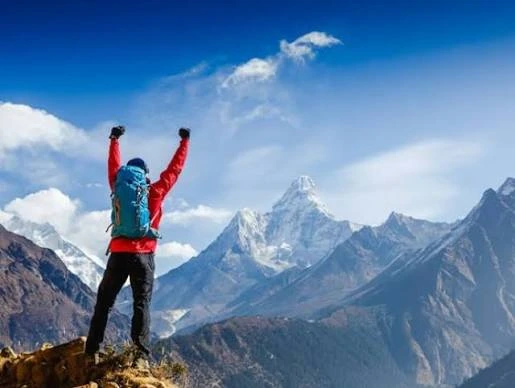
The mountain scenery is one of the biggest reasons travelers choose Everest trekking. As the trail rises above the lower valleys, views of some of the Himalayas’ most recognizable peaks become increasingly impressive. Mount Everest can be seen from several points along the route, while Ama Dablam, Lhotse, Nuptse, Thamserku, Kongde, and other peaks create a dramatic backdrop. Viewpoints around Namche Bazaar provide early opportunities to see the higher mountains, while areas near Tengboche and Dingboche offer broader Himalayan panoramas. The landscape becomes more rugged and barren as the trail approaches the higher valleys, creating a striking contrast with the forests found at lower elevations.
Everest Trekking Permits and Guides
Trekkers need the appropriate permits and entry documents for the Everest region. These commonly include the Sagarmatha National Park entry permit and the applicable local permit for the Khumbu area. Regulations and fees can change, so travelers should confirm the current requirements before starting their trip. Although experienced trekkers may feel comfortable navigating established routes, hiring a guide can provide additional support with navigation, accommodation, communication, local knowledge, and emergency situations. Porters are also commonly used and can carry heavier luggage, allowing trekkers to walk with lighter daypacks and enjoy the trail more comfortably.
Everest Trekking Cost
The cost of Everest trekking depends on the route, duration, transportation, accommodation, food, permits, guide and porter services, equipment, and personal expenses. The classic Everest Base Camp journey usually costs more than shorter treks because it requires more days in the mountains and additional transportation and accommodation. Travelers should also budget for personal purchases, charging services, hot showers where available, snacks, and other expenses that may arise along the route. Travel insurance that covers high-altitude trekking and emergency evacuation is another important consideration. Planning the budget before departure can help trekkers avoid unexpected financial difficulties during the journey.
Why Choose Everest Trekking?
Everest trekking provides an opportunity to experience the Himalayas through a combination of adventure, nature, culture, and personal achievement. The journey is not limited to reaching a particular destination; every section of the trail offers something different. Walking through forests, crossing suspension bridges, visiting mountain villages, observing Buddhist traditions, and gradually approaching the world’s highest peaks creates a sense of progression that makes the experience especially rewarding. For many travelers, the opportunity to see Mount Everest and explore the remote Khumbu landscape becomes a lifelong memory. The challenge of high-altitude trekking also gives the journey a strong sense of accomplishment.
Conclusion
Everest trekking is an unforgettable way to explore one of the world’s most remarkable mountain regions. From the first stages around Lukla and Namche Bazaar to the dramatic landscapes of the higher Khumbu Valley, the journey combines natural beauty with cultural experiences and physical adventure. Proper preparation, suitable equipment, gradual acclimatization, and a realistic understanding of the terrain are essential for enjoying the trek. Whether travelers choose the classic Everest Base Camp route, a shorter Everest-region trek, or a more challenging route through high mountain passes, the experience offers an opportunity to discover the unique landscapes and communities surrounding Mount Everest. With thoughtful planning and respect for the mountain environment, Everest trekking can become one of the most rewarding adventures in Nepal.
About the Author