
Somewhere in their fifties or sixties, most people meet the same unwelcome milestone: a joint that hurts consistently rather than occasionally. Knees that complain on stairs, hips that stiffen after sitting, shoulders that limit reaching overhead. The conventional narrative jumps quickly from over-the-counter medication to joint replacement, leaving patients feeling like there are only two options: endure it or undergo major surgery. In reality, the middle ground has expanded considerably, and knowing what occupies it changes how you plan the next decade of your mobility.
Start With an Accurate Picture
Joint pain is a symptom with many possible drivers: cartilage wear, inflammation, muscle imbalance, previous injury, or referred pain from elsewhere. Imaging alone rarely tells the full story, since many people have findings on scans without pain and vice versa. A thorough evaluation that combines your history, a physical examination, and appropriate imaging gives you something valuable: an understanding of what is actually generating the pain, which is the prerequisite for choosing sensibly among treatments.
The Foundation Nobody Should Skip
Every credible pathway begins with the unglamorous fundamentals. Targeted strengthening of the muscles supporting a joint reliably reduces load and pain. Weight management measurably lowers force through weight-bearing joints. Movement retraining corrects the patterns that keep re-irritating tissue, and activity modification lets you stay active in ways your joint tolerates. These interventions are consistently supported by research and remain the highest-value starting point regardless of what else you eventually pursue.
The Expanding Middle Ground
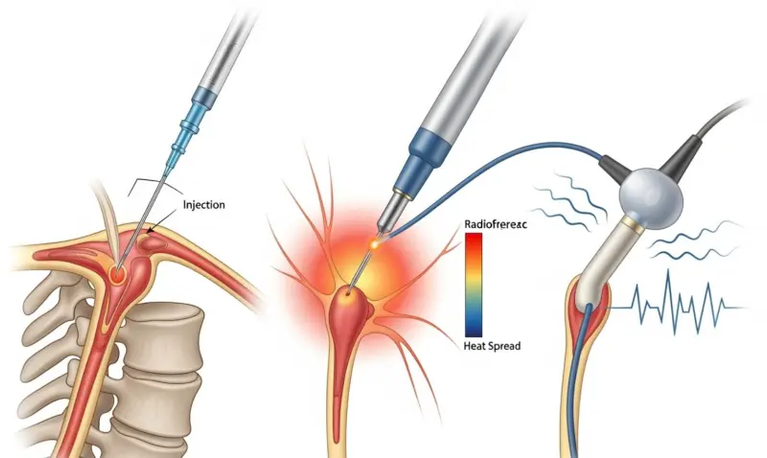
Between fundamentals and surgery sits a growing category of interventional options. Corticosteroid injections calm inflammation for a period. Viscosupplementation supplements joint lubrication in appropriate cases. Regenerative approaches such as PRP aim to support the body’s own repair processes at the site of wear. Practices focused on florida regenerative medicine often combine these with rehabilitation planning, positioning them as ways to improve function and comfort while delaying or avoiding surgical intervention.
Expectations belong in this conversation. These treatments vary in evidence strength by joint and condition, results differ between patients, and none reverses advanced structural damage. A provider who says so plainly is being useful rather than discouraging.
When Surgery Genuinely Makes Sense
Joint replacement is among modern medicine’s great successes for the right candidate: a severely damaged joint causing pain that limits daily life despite thorough conservative care. Rather than a defeat, it becomes the appropriate tool once the middle ground is exhausted. What good planning does is ensure you arrive at that decision informed, having genuinely tried the alternatives, rather than defaulting to surgery early or delaying it past the point of benefit.
Building Your Plan
Assemble a team that communicates: a primary physician who knows your full health picture, an orthopedic opinion for structural assessment, and any complementary or regenerative provider you consult. Ask each what evidence supports their recommendation and what alternatives exist. Give conservative measures a genuine, sustained effort before judging them, and re-evaluate on a schedule rather than drifting.
Aging joints are not a sentence to either endless pain or immediate surgery. With an accurate diagnosis, disciplined fundamentals, and a clear-eyed look at the options between, most people can protect their mobility for far longer than they expect.
About the Author