People often notice something about their appearance long before they can name it. Photographs look tired even after good sleep. Makeup settles into creases that were not there before. Reading glasses seem to sit against heaviness rather than smooth skin. In many cases the cause is the same: the eyelids, which age earlier and more visibly than almost any other part of the face. Eyelid surgery, known medically as blepharoplasty, addresses exactly this, and it is one of the most efficient procedures in aesthetic surgery for the change it produces.
Why Eyelids Age First
The skin around the eyes is the thinnest on the body, and it is in constant motion. Over decades, upper eyelid skin loosens and can begin to hang, sometimes far enough to shadow the eyes or interfere with the upper field of vision. Beneath the lower lids, the fat pads that cushion the eye can protrude forward as supporting tissue weakens, producing the puffiness commonly called bags, while skin loosens and fine crepiness develops.
Neither change responds meaningfully to creams or injectables, because both are structural. That is why so many people cycle through products for years before learning that a surgical solution exists.
What the Procedure Involves
Upper eyelid surgery removes a precise amount of excess skin, and sometimes a small amount of fat, through an incision hidden in the natural eyelid crease. Lower eyelid surgery addresses protruding fat and loose skin, often through an incision inside the lid or just beneath the lash line. Both are typically performed as outpatient procedures, sometimes under local anesthesia with sedation, and frequently together.
Patients researching eyelid surgery New Tampa surgeons offer are often surprised by the scale: this is among the shorter and less demanding procedures in plastic surgery, yet it produces one of the most noticeable improvements in how rested and alert a face appears.
Recovery and Results
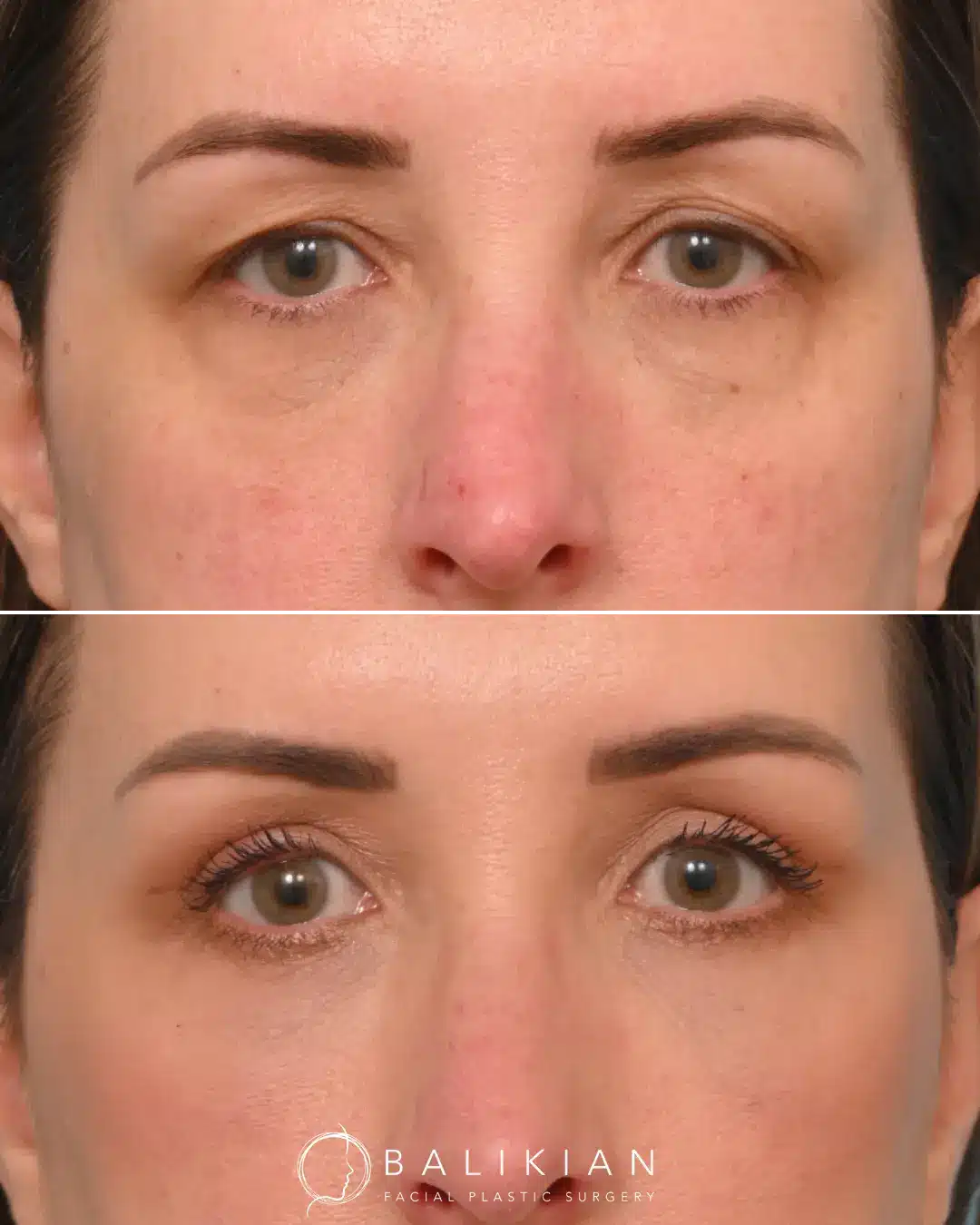
Expect bruising and swelling that peaks in the first few days and improves substantially within one to two weeks, at which point most patients are comfortable in public. Vision may feel blurry briefly from ointment and swelling, and cold compresses plus head elevation speed the process. Incisions heal into lines that are typically difficult to detect once mature, because they follow natural creases.
Results last many years, and patients consistently describe the change in familiar terms: colleagues asking whether they have been on vacation, photographs that finally match how they feel.
Candidacy and Choosing a Surgeon
Good candidates are in general good health with realistic expectations. Certain eye conditions, dry eye in particular, require careful evaluation beforehand, and a thorough surgeon will screen for them and may coordinate with your ophthalmologist. In some cases, when upper lid heaviness affects vision, the evaluation takes on a functional dimension worth discussing.
Because this is delicate work in a highly visible area, choose a board-certified plastic surgeon with specific eyelid experience, operating in an accredited facility. Review their results carefully for natural, unaltered eye shape. Done well, eyelid surgery does not change how you look so much as remove the tiredness that was never yours to begin with.
About the Author