
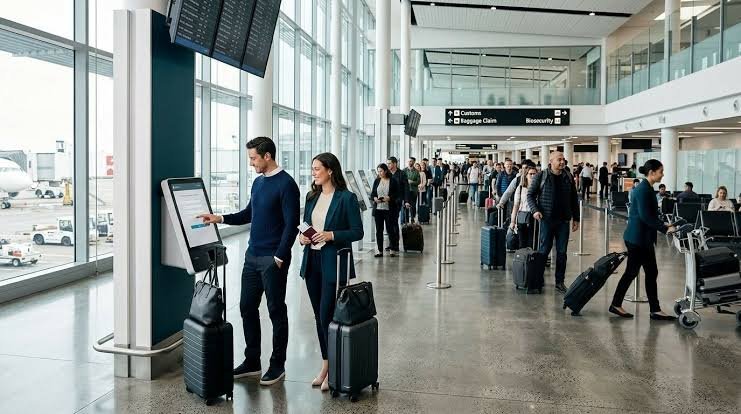
International travel has changed significantly over the past decade, and technology is playing an increasingly important role in making journeys faster, safer, and more convenient. Traditional paper-based processes are gradually being replaced by digital systems that allow travelers to submit information, verify their identities, and complete essential documentation online.
From electronic visas to digital arrival cards, modern technology is transforming how governments manage international passengers. These developments are helping immigration authorities improve efficiency while giving travelers more convenient ways to prepare for their journeys. Understanding these changes is important for anyone planning to travel internationally, especially as digital travel declaration systems become increasingly common.
The Shift From Paper Documents to Digital Systems
In the past, international travelers often had to complete several paper forms before passing through immigration. Passengers received arrival cards during flights or collected them at airports, filled them out manually, and submitted them to border officials.
Although these procedures served their purpose, they sometimes created unnecessary delays. Handwritten information could be difficult to read, forms could contain mistakes, and processing large numbers of passengers required additional administrative work.
Technology has introduced a more efficient alternative. Many countries now provide online platforms where visitors can submit personal details, passport information, flight numbers, and accommodation addresses before arrival.
Digital systems reduce paperwork and allow travelers to complete certain requirements from home. They also make it easier for authorities to organize and review passenger information.
Electronic Travel Declarations Make Preparation Easier
One of the most noticeable developments in modern travel documentation is the introduction of electronic declarations. Instead of completing every form at the airport, passengers can provide relevant information through digital platforms before reaching their destination.
A travel declaration may include personal identification details, information about the purpose of a visit, customs information, and other details required by destination authorities.
These systems are particularly useful for international passengers who want to prepare their documents in advance. Travelers can review their information, correct mistakes before submission, and save electronic confirmations for later reference.
Websites such as traveldecl.com provide an additional resource for people looking to understand travel declaration procedures and become more familiar with digital travel documentation.
However, travelers should always check official government websites for mandatory requirements, applicable fees, and submission deadlines.
Biometric Technology Is Improving Border Security
Another important technological development is the growing use of biometric identification at international airports.
Biometric systems use unique physical characteristics, such as facial features and fingerprints, to help verify a person’s identity. These technologies can reduce reliance on manual document inspections and support more efficient passenger verification.
Some airports have introduced automated gates that compare a traveler’s facial image with information stored in their electronic passport.
When properly implemented, biometric technology can help authorities identify passengers more accurately while reducing the time required for certain border procedures.
These systems also support security efforts by making identity verification more consistent. Nevertheless, biometric information must be handled responsibly, with appropriate privacy protections and data security measures.
Electronic Passports and Digital Identity Verification
Electronic passports have become another important part of modern international travel. These documents contain an electronic chip that stores information about the passport holder, including identifying details and a digital photograph.
Border authorities can use specialized readers to verify the information stored in the chip and compare it with the physical passport.
This technology helps strengthen document security and makes identity verification more reliable.
In addition, digital identity initiatives are creating opportunities for travelers to manage certain credentials electronically. Although these systems are still developing, they could eventually make it easier to verify travel information across different stages of a journey.
Artificial Intelligence and Automated Border Processing
Artificial intelligence is also influencing how airports and immigration authorities manage passenger movement.
AI-powered systems can help analyze information, identify unusual patterns, and support administrative processes. Automated document verification tools can assist with checking whether submitted information matches the relevant records.
Some airports also use intelligent passenger management systems to monitor queues and improve the movement of travelers through busy terminals.
These technologies can help reduce waiting times and allow immigration officers to focus on situations requiring additional attention.
However, artificial intelligence should support responsible decision-making rather than replace appropriate human oversight, particularly when immigration decisions affect individual passengers.
Cloud Technology and Secure Information Management
Cloud computing has made it easier for organizations to store, manage, and access digital information. In travel and border management, secure digital infrastructure can support communication between different departments and improve access to relevant passenger records.
For example, electronic forms submitted before departure may be processed through centralized systems that allow authorized officials to review information when needed.
Digital storage can also reduce dependence on physical documents and make administrative processes more organized.
However, storing personal travel information electronically creates important responsibilities. Governments and service providers must use appropriate encryption, access controls, and data protection practices to prevent unauthorized access.
Travelers should also be careful when sharing passport details or other sensitive information online.
How Technology Benefits International Travelers
The adoption of digital travel systems offers several practical advantages for passengers.
1. Greater Convenience: Travelers can complete many documentation requirements online without waiting to receive paper forms during their flights.
2. Faster Processing: Electronic submissions can help authorities organize passenger information before arrival and improve certain airport procedures.
3. Fewer Paperwork Errors: Online forms allow travelers to review and correct information before submitting it.
4. Better Accessibility: Digital platforms allow passengers to access relevant forms through smartphones, tablets, and computers.
5. Improved Organization: Electronic confirmations, reference numbers, and QR codes make it easier to keep important travel information available.
Despite these benefits, travelers should remember that digital systems do not eliminate every immigration requirement. Passports, visas, and other supporting documents may still be necessary.
Challenges and the Future of Digital Border Procedures
Although technology offers significant improvements, implementing digital travel systems also creates challenges. Not every traveler has reliable internet access or the technical knowledge required to complete online forms.
Different countries may also use separate platforms, creating confusion for passengers visiting multiple destinations.
Privacy and cybersecurity remain important concerns because travel documentation contains sensitive personal information. Governments must ensure that digital systems are secure, reliable, and accessible.
In the coming years, international travel may become increasingly connected through standardized digital credentials, advanced biometric verification, and automated documentation systems.
Greater cooperation between countries could eventually make cross-border procedures more consistent and convenient.
Conclusion
Technology is transforming international travel by replacing traditional paperwork with digital declarations, electronic passports, biometric identification, and automated border procedures. These developments are helping improve efficiency, strengthen security, and make travel preparation more convenient.
As digital systems continue to evolve, understanding how to complete a travel declaration and manage electronic travel documents will become increasingly important for international passengers.
Travelers can prepare by researching destination requirements, using reliable information sources such as traveldecl.com, and checking official immigration instructions before departure. Staying informed about technological changes can help make future international journeys smoother, safer, and better organized.
About the Author