
Feeling tired after a busy day is normal. But when exhaustion keeps returning, your muscles feel unusually weak, or everyday aches become difficult to explain, it deserves attention. Vitamin D deficiency is one possible reason, although these symptoms can have several other causes.
The tricky part is that low vitamin D does not always produce obvious warning signs. Some people feel completely fine until a blood test or a bone health problem reveals the issue. Understanding vitamin D deficiency symptoms can help you recognise when to seek advice without jumping to conclusions.
Why Does Your Body Need Vitamin D?
Vitamin D helps your body absorb calcium, an essential mineral for strong bones and teeth. It also supports normal muscle, nerve, and immune function.
Your body makes vitamin D when sunlight reaches your skin. You can also get it from certain foods and supplements. When levels become too low, your body may struggle to maintain healthy bones. Severe deficiency can cause osteomalacia in adults, a condition involving softened bones, bone pain, and muscle weakness.
Vitamin D Deficiency Symptoms to Watch For
1. Persistent Tiredness
Do you feel drained even after a relatively quiet day? Fatigue can occur with vitamin D deficiency, but it is a broad symptom rather than a reliable clue on its own.
Poor sleep, stress, anaemia, thyroid problems, and other conditions can also leave you exhausted. Instead of assuming you need a supplement, notice how long the tiredness lasts and whether it affects your usual routine. Persistent or worsening fatigue is worth discussing with a healthcare professional.
2. Bone Pain or Deep Aches
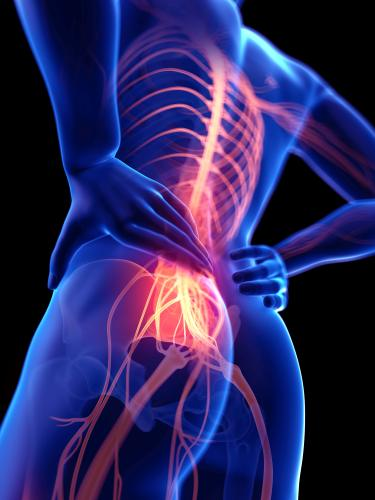
Pain in your lower back, ribs, pelvis, or legs can sometimes be associated with vitamin D deficiency, particularly when it has caused osteomalacia.
This may feel different from the temporary soreness that follows exercise. You might notice an ongoing, deeper ache or discomfort during ordinary movement. However, location alone cannot identify the cause. Pain that continues, worsens, or interferes with daily activities needs assessment rather than repeated self-treatment with painkillers.
3. Muscle Weakness
Muscle weakness is another recognised sign, especially in more significant deficiency. Activities such as climbing stairs or standing up from a chair may become harder than usual.
Pay attention to a change in ability. Feeling tired after a demanding workout differs from struggling with movements that previously felt easy. If weakness persists or affects your balance, speak with a doctor. They can assess vitamin D status alongside other possible explanations.
4. Fractures After Minor Injuries
A fracture after a small fall or relatively minor accident can signal an underlying bone health problem.
Vitamin D deficiency can contribute to reduced bone strength, but it is not the only possible cause. Calcium intake, osteoporosis, medications, and other medical conditions may also matter. A fracture needs proper treatment and, where appropriate, an assessment of why the bone broke so easily. Waiting for another injury is not a sensible way to monitor the problem.
What About Poor Sleep?
Poor sleep should not be treated as proof of vitamin D deficiency. Difficulty falling asleep or waking frequently needs its own assessment, particularly when it continues for weeks.
If you are considering sleep gummies, check the ingredients and discuss persistent sleep problems with a healthcare professional. Products containing melatonin may help with certain sleep timing problems, but evidence does not support treating them as a universal solution for chronic insomnia. They also do not correct vitamin D deficiency simply because they support sleep.
Who Is More Likely to Have Low Vitamin D?
Your risk depends on more than whether you live somewhere sunny. Spending most of your time indoors, covering most of your skin outdoors, and having darker skin can reduce vitamin D production from sunlight.
Older adults may also produce less vitamin D through their skin. Conditions that affect nutrient absorption, such as coeliac disease or Crohn’s disease, can increase risk. Certain medicines and liver or kidney problems may affect vitamin D availability or processing.
These factors do not automatically mean you are deficient, but they provide useful context when discussing symptoms with your doctor.
How Is Vitamin D Deficiency Diagnosed?
Symptoms alone cannot confirm a deficiency. When testing is appropriate, doctors generally use a blood test that measures 25-hydroxyvitamin D.
Your doctor may recommend testing based on bone pain, muscle weakness, fractures, relevant medical conditions, or other clinical findings. Routine testing is not recommended for everyone.
Bring a list of the supplements and medicines you already take. This helps your doctor interpret your situation and avoid unnecessary overlap when recommending treatment.
Practical Ways to Support Vitamin D Levels
Include Suitable Food Sources
Oily fish and egg yolks provide vitamin D. Fortified foods, including some milk, plant-based drinks, and breakfast cereals, can also contribute. Check the label because fortification varies between products.
Dietary changes can support your intake, although a diagnosed deficiency may require prescribed supplementation.
Approach Sun Exposure Sensibly
Sunlight helps your body produce vitamin D, but there is no single exposure time that suits everyone. Skin tone, clothing, season, location, and other factors affect production. Avoid sunburn and follow appropriate sun protection advice.
Choose Supplements According to Your Needs
Multivitamin gummies may contain vitamin D, but the amount varies. Read the serving size and nutrient information rather than assuming every gummy provides the same support.
If you are comparing options from reset india or another wellness brand, check the actual formulation. A general multivitamin may not provide the dose needed to treat a confirmed deficiency.
Follow your doctor’s recommended dose and duration. Taking excessive vitamin D can raise calcium levels and damage the kidneys, so more is not automatically better.
When Should You Seek Advice?
Arrange a medical appointment if unexplained bone pain, muscle weakness, or ongoing tiredness is affecting your life. Mention any fractures after minor injuries and relevant medical history.
The goal is to understand what your symptoms mean. With appropriate assessment, you can address a deficiency if one exists and avoid overlooking another cause.