
Moving to Lahore for university can be exciting, but accommodation can become a major monthly expense.
Students usually compare rent first. However, affordable accommodation is not always the option with the lowest advertised price. Transport, food, electricity, internet, laundry, and other expenses can increase the actual monthly cost.
The better approach is to calculate your complete living expenses before choosing a place.
Here is how students can find affordable accommodation without compromising essential needs.
1. Set a Monthly Accommodation Budget
Start by deciding how much you can comfortably spend each month.
Your budget should include more than the basic room rent. Consider your expected expenses for food, transport, internet, laundry, and personal needs.
For example, a cheaper room far from your university may require expensive daily transportation. A slightly higher rent in a convenient location could reduce your overall monthly spending.
Create a simple budget before contacting hostels.
2. Compare the Total Monthly Cost
Never compare accommodation based only on the advertised rent.
Ask each hostel what the monthly payment includes. Some properties may include certain services, while others charge separately.
Check whether the rent covers:
- Electricity
- Water
- Internet
- Meals
- Air conditioning
- Laundry
- Maintenance
- Housekeeping
- Other service charges
This gives you a more realistic idea of what you will actually spend.
3. Consider Location Before Price
Location has a direct effect on your student budget.
A hostel close to your university can reduce daily transportation costs. It can also save time, especially when you have early classes or regular campus activities.
For students comparing a boys hostel lahore, the surrounding area should also be considered.
Check nearby public transport, markets, grocery stores, pharmacies, and food options.
An affordable location should make daily necessities accessible without expensive travel.
4. Calculate Your Transportation Expenses
Transportation can become a hidden monthly cost.
Before booking accommodation, estimate how much you will spend travelling to university each day.
Consider:
- Distance to campus
- Public transport availability
- Ride-hailing costs
- Fuel costs
- Peak-hour traffic
- Number of daily trips
Multiply your estimated daily transportation cost by your monthly university schedule.
This simple calculation can change which accommodation option offers better value.
5. Compare Different Room Types
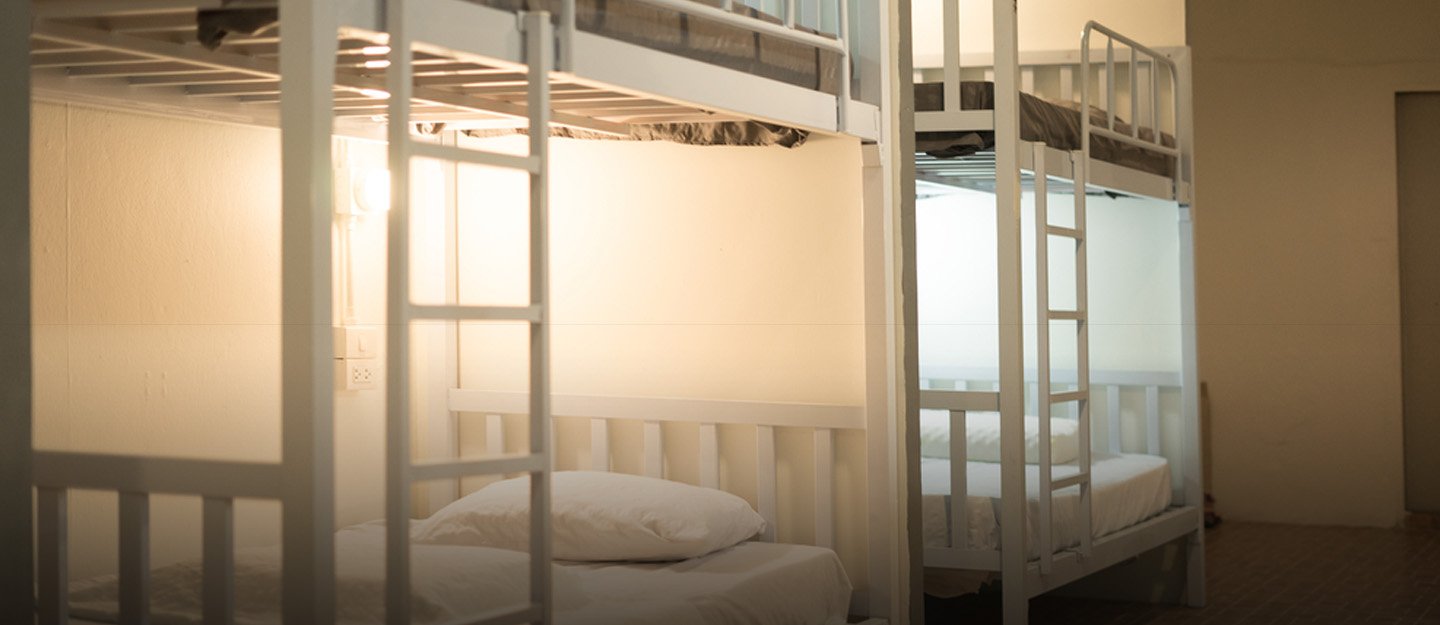
Shared rooms are generally worth considering when you have a limited budget.
A room shared with other students can reduce accommodation costs. However, you should understand the number of occupants and available personal space before booking.
Compare different options such as:
- Shared rooms
- Double occupancy
- Triple occupancy
- Single rooms
The cheapest room is not necessarily suitable for everyone. Consider privacy, study requirements, storage space, and comfort alongside price.
6. Look for Essential Facilities
Affordable does not mean you should ignore basic facilities.
A suitable student accommodation should provide the essentials needed for everyday living.
Depending on the property, useful facilities may include:
- Reliable Wi-Fi
- Clean drinking water
- Electricity backup
- Furniture
- Storage space
- Laundry
- Kitchen access
- Study areas
- Common spaces
- Parking
Prioritise facilities you actually use instead of paying extra for unnecessary services.
7. Check for Hidden Charges
Ask about additional payments before making a booking.
Some accommodation providers may have separate charges for services or facilities.
Ask about the security deposit, admission fee, utility bills, maintenance charges, and other possible costs.
Also confirm the refund conditions for deposits and advance payments.
Getting these details in writing can help prevent misunderstandings later.
8. Consider Food Expenses
Food can take up a significant part of a student’s monthly budget.
If the accommodation provides meals, compare the meal cost with what you would normally spend outside.
Ask about the number of meals, timings, menu, and whether meals are included in the monthly rent.
If meals are not provided, check whether there are affordable food options nearby.
A hostel surrounded by reasonably priced restaurants and grocery stores may help keep your food budget under control.
9. Look at Your Daily Routine
Think about how you actually spend your day.
Students who spend most of their time at university may prioritise location and transportation. Students who study at home may place more importance on Wi-Fi, quiet surroundings, and a comfortable study area.
Your accommodation should match your routine.
Paying for facilities you rarely use may not be the best use of your budget.
10. Check the Condition of the Property
Low rent should not mean poor living conditions.
Visit the property before booking whenever possible.
Check the room, bathroom, kitchen, common areas, furniture, ventilation, and overall cleanliness.
Also look for signs of poor maintenance, such as damaged fixtures, water problems, broken furniture, or unreliable electrical systems.
A slightly higher monthly cost may be reasonable if the property is properly maintained.
11. Ask About Electricity Backup
Power interruptions can affect studying, internet access, cooling, and everyday activities.
Ask whether the accommodation has a generator, UPS, or another backup system.
Also clarify whether backup electricity is included in the rent or charged separately.
This is particularly important if you use a laptop for university work or need reliable internet access for online resources.
12. Read Reviews and Compare Experiences
Online reviews can help you identify potential problems before visiting.
Look for repeated comments about rent, management, cleanliness, facilities, food, and maintenance.
Do not rely on a single review. Compare feedback from different residents and consider how recent the reviews are.
You can also ask current residents about their actual monthly expenses.
13. Compare at Least Three Options
Avoid making a decision after checking only one property.
Shortlist at least three suitable accommodation options.
Create a basic comparison covering:
| Factor | Option A | Option B | Option C |
| Monthly rent | |||
| University distance | |||
| Transport cost | |||
| Food | |||
| Internet | |||
| Electricity backup | |||
| Laundry | |||
| Security deposit |
This makes it easier to compare the actual value of each option.
14. Think About Long-Term Value
Affordable accommodation should remain manageable throughout your academic year.
Before booking, consider whether the rent fits your budget for several months. Also check whether the hostel changes its charges during different periods.
A stable monthly expense makes financial planning easier.
Do not choose an accommodation simply because it offers a low initial price. Consider comfort, reliability, location, and everyday expenses together.
Final Thoughts
Finding affordable student accommodation in Lahore requires more than searching for the lowest rent.
Calculate your complete monthly expenses, compare locations, check transportation costs, and understand what the accommodation fee includes.
You should also inspect the property, review essential facilities, ask about additional charges, and speak with current residents when possible.
A careful comparison can help you find accommodation that fits your budget while still providing a comfortable environment for university life.