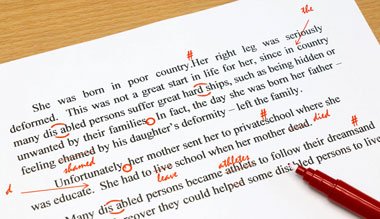

Dragged or Drug: Which Is Correct? I remember a conversation where someone said I drug the box, but correct form is dragged in English use now
I still recall a conversation where drug and dragged created real confusion among native speakers. A confidently spoken line like “I drug the box” can easily turn into a moment of doubt. That is where the snag in understanding appears. Many people get brought through mud in grammar thinking, especially when they try to describe unwillingly pulled scenes or actions in daily speech. This is why learners often feel confused when choosing the correct form between dragged and drug, even when the answer is actually very simple in standard English.
The correct form comes from the verb drag, which means to pull heavy objects across the floor with effort. For example, saying “I dragged the box” clearly shows action in proper past tense. This is why understanding standard English becomes very important in real communication. Many people are mistaken because everyday speech makes both forms sound natural, but only one follows English verb rules. When writers, students, and professionals focus on clarity, credibility, and correct structure, they avoid mixing terms like illegal narcotics meaning drug with movement-based usage.
From my learning and practice experience, I have seen that improving writing accuracy and trust depends on noticing small differences in verb behavior. The process and guides of editing help people move from confusion to clarity. When you focus on reading, writing, and understanding language patterns, the error between dragged vs drug slowly disappears. Good editing practice builds confidence, and strong grammar awareness helps readers trust your message more naturally.
The Correct Answer: “Dragged” Is the Standard Form
The verb drag follows a regular verb pattern.
Regular verbs form the past tense by adding -ed.
Here are a few examples:
| Present Tense | Past Tense |
| walk | walked |
| clean | cleaned |
| jump | jumped |
| drag | dragged |
Since drag is a regular verb, its past tense naturally becomes dragged.
You can think of it as grammar doing exactly what grammar promised.
Examples of “Dragged” Used Correctly
Here are several natural examples:
- We dragged the sofa upstairs.
- She dragged her suitcase through the airport.
- He dragged his feet before making a decision.
- The meeting dragged on for hours.
- I dragged myself to work after barely sleeping.
Notice something interesting.
The word works in both literal and figurative situations.
Literal:
He dragged the table across the floor.
Figurative:
The afternoon dragged forever.
That flexibility explains why dragged appears so often in everyday English.
Why People Say “Drug” Instead of “Dragged”
Now comes the fun part.
If dragged is correct, why do so many people say drug?
The answer lies in patterns.
Humans love patterns. Your brain constantly searches for shortcuts.
Many English verbs change internally in the past tense:
| Present | Past |
| sing | sang |
| drink | drank |
| ring | rang |
| stick | stuck |
So people unconsciously assume:
drag → drug
It feels logical.
The pattern almost sounds right.
That instinct explains why drug developed in speech. Yet logic and grammar do not always shake hands.
English often behaves like an unpredictable roommate. It follows rules until suddenly it does not.
What Does “Drag” Mean?
Before going deeper into dragged vs. drug, it helps to understand the word itself.
The Literal Meaning of “Drag”
At its core, drag means:
To pull something along a surface, often with effort or resistance.
Examples:
- She dragged the suitcase through snow.
- He dragged a chair across the room.
- Workers dragged fallen branches away.
The action often feels heavy, slow, or difficult.
That image matters because the figurative meanings come from it.
Figurative Meanings of “Drag”
English loves metaphor. Words stretch into new meanings over time.
Drag now appears in several figurative situations.
Time Moving Slowly
You may hear:
The lecture dragged on forever.
This means time felt painfully slow.
Pulling Someone Into Something
Example:
Don’t drag me into your argument.
Here, nobody moves physically. Instead, someone gets forced into drama or conflict.
Emotional Effort
Example:
I dragged myself out of bed.
That sentence paints exhaustion vividly.
It feels human. You almost see someone crawling toward coffee.
Why “Drug” Sounds Right to Some Speakers
If you grew up hearing drug, it may sound perfectly normal.
Language habits shape expectations.
Many speakers never stop to question what sounds familiar.
Imagine someone saying:
“Yesterday I drug the kayak to the lake.”
In certain regions of the United States, listeners barely blink.
Yet outside those regions, people may immediately notice the wording.
That reaction highlights something important:
Common does not always mean standard.
People commonly say things like:
- ain’t
- irregardless
- could of
Yet formal grammar treats them differently than casual speech.
Language changes over time. Still, standard English moves more slowly.
Is “Drug” Ever Correct?
This question deserves nuance.
The answer depends on context.
Is “Drug” Correct in Standard Grammar?
No.
In standard English grammar, dragged remains the accepted past tense and past participle.
Examples:
✅ She dragged the suitcase.
✅ We had dragged the equipment inside.
Not:
❌ She drug the suitcase.
❌ We had drug the equipment inside.
If grammar teachers, editors, or professional writers review your work, they expect dragged.
Can You Use “Drug” in Conversation?
Sometimes.
Certain regional dialects accept it in everyday speech.
A person might casually say:
“I drug the cooler out back.”
Friends and neighbors may not think twice.
Yet context matters.
A relaxed backyard conversation differs from:
- School essays
- Workplace communication
- Professional publishing
- Academic writing
- Journalism
- Formal presentations
When credibility matters, dragged remains safer.
“Drug” as a Noun Is Completely Correct
Here is where things get confusing.
Drug already exists as a noun.
Examples:
- Prescription drug
- Pain-relief drug
- Illegal drug
So when readers encounter:
He drug the chair
Their brains briefly process drug as the noun.
That tiny moment of confusion interrupts reading flow.
Strong writing removes friction. Clear wording matters.
Dragged vs. Drug: A Side-by-Side Comparison
Here is the difference at a glance.
| Feature | Dragged | Drug |
| Standard English | Yes | No |
| Formal writing | Yes | No |
| Professional communication | Yes | No |
| Spoken casual English | Yes | Sometimes |
| Regional dialect use | Limited issue | Common in some areas |
| Recommended for essays | Yes | No |
The takeaway feels simple:
Use “dragged” unless you intentionally mimic regional speech.
Examples of “Dragged” Used Correctly
Examples help grammar stick.
Think of these as mini case studies.
Everyday Physical Action Examples
- She dragged the boxes into storage.
- The dog dragged mud across the floor.
- He dragged a branch off the road.
- We dragged beach chairs closer to the water.
These involve physical movement.
Easy enough.
Figurative Examples
English gets more colorful here.
- The movie dragged near the end.
- His apology dragged old problems back into discussion.
- The negotiations dragged on for months.
- She dragged herself through the workday.
Each sentence paints emotional or symbolic movement.
That is part of what makes English vivid.
Wrong vs. Correct Examples
| Incorrect | Correct |
| I drug the table inside. | I dragged the table inside. |
| She drug herself to class. | She dragged herself to class. |
| We drug the canoe ashore. | We dragged the canoe ashore. |
| He drug the chair upstairs. | He dragged the chair upstairs. |
A quick glance reveals the pattern.
Dragged always sounds cleaner in formal English.
Why This Grammar Mistake Happens So Often
Some grammar mistakes happen because rules feel hidden.
This one happens because the wrong answer feels strangely natural.
Here is why.
English Contains Many Irregular Verbs
People expect inconsistency.
For example:
| Present | Past |
| go | went |
| begin | began |
| drink | drank |
| ring | rang |
After seeing enough irregular verbs, your brain starts guessing.
That mental shortcut says:
“Maybe drag changes too.”
Reasonable guess.
Wrong answer.
Still reasonable.
Spoken Language Moves Faster Than Grammar Rules
People speak casually.
Nobody pauses mid-sentence to check grammar manuals.
Speech evolves through repetition.
Writing works differently.
Writing demands clarity, consistency, and shared standards.
Think about clothing.
You might wear sweatpants at home. You probably would not wear them to a wedding.
Language behaves similarly.
Casual speech and formal writing follow different expectations.
When Should You Avoid Using “Drug”?
If your goal involves professionalism, clarity, or authority, skip it.
Academic Writing
Avoid drug in:
- Essays
- Exams
- College applications
- Research papers
- Classroom assignments
Teachers almost always expect standard grammar.
Example:
❌ The character drug the cart uphill.
Better:
✅ The character dragged the cart uphill.
Professional Communication
Language shapes credibility.
Small grammar choices quietly influence trust.
Avoid drug in:
- Business emails
- Reports
- Presentations
- Client communication
- Job applications
- Professional blogs
Consider these examples:
Less polished:
We drug the project into next quarter.
Professional:
We dragged the project into next quarter.
One sentence sounds careful.
The other feels conversational and regional.
Grammar Rule: Why “Dragged” Works
Grammar sometimes feels intimidating.
This rule is refreshingly simple.
“Drag” Is a Regular Verb
Regular verbs follow predictable patterns.
Usually:
verb + ed
Examples:
| Base Verb | Past Tense |
| wash | washed |
| jump | jumped |
| open | opened |
| drag | dragged |
No mystery.
No secret exception.
No surprise twist.
Just dragged.
Past Participle Form
The past participle stays the same:
| Verb Form | Example |
| Present | drag |
| Past | dragged |
| Past participle | dragged |
Examples:
- I dragged the furniture yesterday.
- I have dragged heavy boxes all morning.
Not:
❌ I have drug heavy boxes all morning.
Dragged vs. Drug in American English
Here is where things get interesting.
Language varies by place.
Certain regions of the United States use drug conversationally.
People hear it growing up. Parents say it. Friends repeat it. Local speech normalizes it.
That does not automatically make it standard English.
Instead, it becomes a regional dialect feature.
You can compare it to pronunciation differences:
- soda vs. pop
- shopping cart vs. buggy
- sneakers vs. tennis shoes
Regional language creates identity.
Grammar standards create consistency.
Both exist at the same time.
Spoken English vs. Written English
People often confuse the two.
Something can sound natural aloud while still looking incorrect on paper.
For example:
Spoken:
“I ain’t got time.”
Formal writing:
“I don’t have time.”
Likewise:
Spoken regional English:
“I drug the table.”
Formal writing:
“I dragged the table.”
Context changes expectations.
Common Mistakes People Make With “Dragged”
Grammar confusion loves repetition.
Here are the biggest mistakes.
Assuming Every Verb Changes Internally
Many learners expect dramatic vowel shifts.
Examples:
- sing → sang
- swim → swam
- drink → drank
So they assume:
drag → drug
Unfortunately, English declines the invitation.
Copying Casual Speech Into Formal Writing
People write how they speak.
That habit feels natural.
Yet speech and polished writing often differ.
Good editing catches those moments.
A useful trick:
Read your sentence aloud and then imagine it inside a business report.
Would it still sound polished?
Forgetting That “Drug” Is Also a Noun
Because drug already carries another meaning, confusion increases.
Compare:
The doctor prescribed a drug.
versus
He drug the sled.
One feels immediately clear.
The other creates hesitation.
Readers dislike hesitation.
Smooth writing wins.
A Quick Memory Trick for “Dragged” vs. “Drug”
Need a shortcut?
Try this:
If you drag today, you dragged yesterday.
Or think:
Regular verb = regular ending
Quick chart:
| Today | Yesterday |
| drag | dragged |
Tiny memory tricks save surprising amounts of time.
Mini Case Study: Why One Word Changes Reader Trust
Imagine two blog posts.
Example A
We drug the camping gear into the truck.
Example B
We dragged the camping gear into the truck.
Readers may not consciously explain why, but Example B feels cleaner and more polished.
Small language details quietly shape authority.
Writers often overlook that reality.
Yet trust lives in tiny decisions.
Read More: Years-Old or Years Old: Should There Be a Hyphen?
A Simple Test to Know Which Word to Use
When stuck, ask:
Am I writing formally or casually?
If the answer involves:
- Work
- School
- Publishing
- Blogging
- Professional writing
- Public communication
Choose:
✅ Dragged
If you quote dialogue or imitate regional speech, drug may occasionally appear for realism.
For example in fiction:
“I drug that old chair outta the shed,” Grandpa said.
Context matters.
FAQs
Is “drug” grammatically correct?
In standard English, no. Dragged remains the accepted form.
Why do some Americans say “drug”?
Regional dialects influence speech patterns. Many speakers learn it naturally through conversation.
What is the correct past tense of “drag”?
The correct past tense is dragged.
Is “dragged” formal English?
Yes. It works in casual and formal settings.
Can I use “drug” in an essay?
No. Essays should use dragged.
Is “drug” slang?
Not exactly. It functions more as a regional dialect form than slang.
Why does “drug” sound correct to some people?
Because English contains many irregular verbs, speakers expect similar patterns.
Can fiction writers use “drug”?
Yes, especially in dialogue when reflecting authentic regional speech.
Is “drugged” related to “drug”?
No. Drugged usually means someone received medication or substances.
Example:
He looked drugged after surgery.
Which word should professionals use?
Always choose dragged.
Conclusion:
In simple terms, the difference between dragged and drug comes down to correct English usage. Dragged is the proper past tense of drag, used when someone or something is pulled with effort or difficulty. On the other hand, drug is not standard in this context and is mostly linked with illegal narcotics, not movement or action.
Understanding this small but important distinction improves clarity, credibility, and overall writing accuracy. When students, writers, and professionals apply the correct form in everyday speech and writing, they avoid common confusion and communicate more effectively in standard English.
About the Author