A drain that works fine one week and clogs the next is more than a nuisance. When the same sink, tub, or floor drain keeps backing up, the debris you see is often just the symptom. The root cause usually sits in the plumbing system itself: the venting that lets drains breathe, the slope that should carry solids and water together, or the condition of the pipe walls that everything slides over. Understanding those hidden pieces helps you choose fixes that last longer than a plunger session and a bottle of cleaner.
- What Recurring Clogs Reveal About Your Drainage System
Repeat blockages often point to an underlying constraint rather than a one‑off mess. An underperforming vent stack can create negative pressure that pulls water out of a P-trap and allows air to burp through the line, slowing the outflow so soap and lint settle. A flat or back‑pitched trap arm allows grease to congeal where the pipe cools, rebuilding the same plug every few weeks. Rough cast‑iron interiors narrow with tuberculation, grabbing hair and biofilm like Velcro. Joints in old clay tile invite root intrusion that catches “flushable” wipes. When patterns like these appear, a local expert, such as a drain plumber in Middlesex, can confirm the condition with a camera and recommend a durable remedy.
Consider two common patterns. A kitchen sink that backs up after pasta nights likely has a mix of starch and oil accumulating in the horizontal run; once the water cools near a cabinet wall, the slurry stiffens and traps crumbs. By contrast, a tub that drains slowly only after the washing machine runs may signal a partially obstructed branch where lint and detergent scum cling to the older pipe and are stirred up by a larger discharge.
- Early Clues: Gurgling, Odors, and Where the Backup Appears
Your plumbing speaks in clues. A gurgling noise in one fixture when another drains suggests a venting issue, because air is fighting to enter the line. A sewer‑gas odor from a sink can mean the P-trap went dry or got siphoned due to inadequate venting. Bubbles rising in a bathroom sink when a toilet is flushed on the same branch point to a blockage between those tie‑in points. These signals help narrow the search before anyone removes a single fitting.
Location matters just as much. If the basement floor drain overflows when an upstairs toilet is flushed, the obstruction is usually in the main building drain or sewer lateral. If only a single lavatory is slow while other nearby fixtures run normally, the issue is likely near that sink’s trap, pop‑up assembly, or a short branch. Water weeping from a cleanout plug indicates both a nearby blockage and a welcome access point for inspection and clearing.
- DIY Checks That Help Without Causing Damage
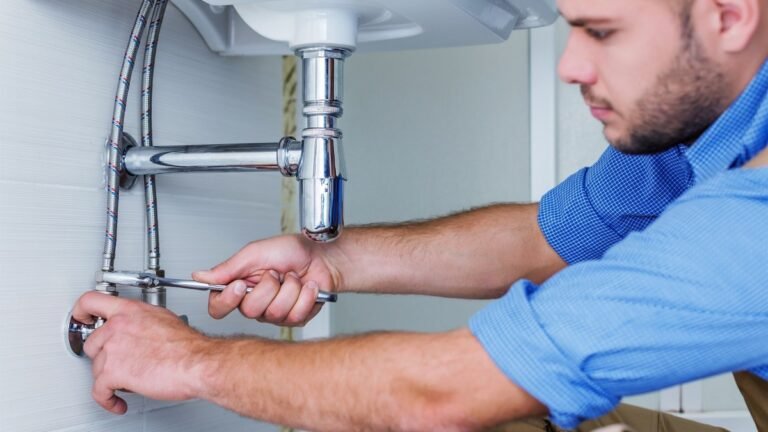
You can safely rule out obvious snags before calling for service. Place a bucket under the P-trap, loosen the slip nuts with channel‑lock pliers, and clear hair, seeds, and hardened grease. Check the trap arm with a flashlight; a heavy scale or a step where two pipes meet can catch debris. Remove the pop‑up stopper and clean the rod and pivot cavity where toothpaste and hair build up. For showers, a plastic zip tool pulls hair mats without scratching. Re‑seat the slip joints carefully so washers face the right way, and avoid overtightening.
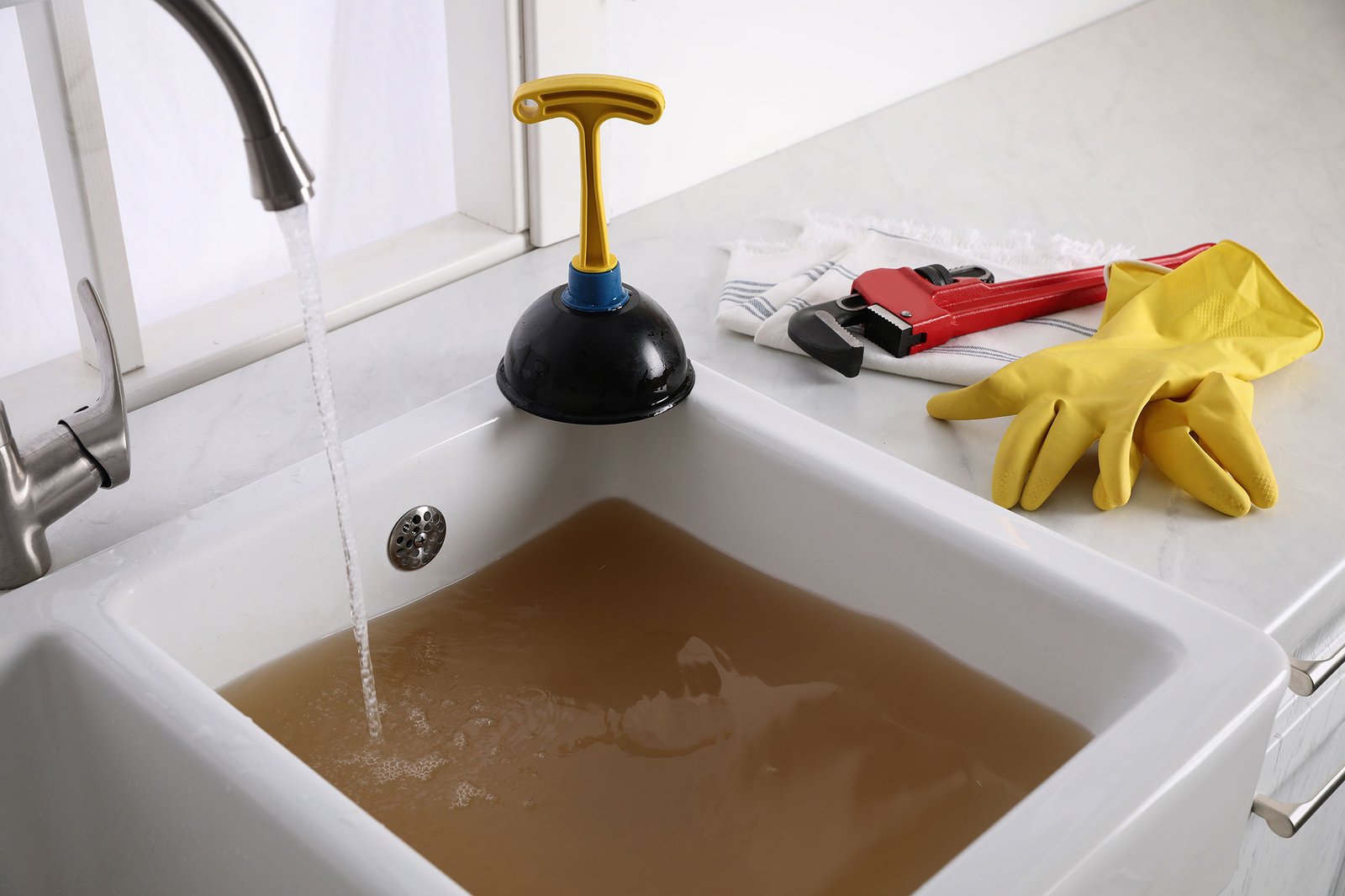
For greasy kitchen lines, a slow flush of hot (not boiling) water with a small squirt of dish soap can soften a film without warping PVC. Avoid mixing chemical drain cleaners; combining products can generate heat and gas that damage traps and brass. A cup of enzyme or bacterial drain maintenance, used monthly, helps eat biofilm in low‑slope runs, but it will not cut through a solid plug. If you can safely reach the roof, a gentle hose flush into the vent can clear leaves from the top. Cover overflows and use a cup plunger with enough water in the bowl to keep its rim submerged; quick, even strokes work better than force.
- When the Issue Lives Downstream: Lateral, Roots, and Improper Slope
When clogs keep returning after local cleaning, the problem may sit downstream. A camera inspection through a cleanout shows bellies (sags that collect water), offsets at joints, and intrusive roots. Hydro‑jetting scours grease and sludge off pipe walls with high‑pressure water; a cable auger (snake) is better at cutting roots and chewing through hard obstructions. Jetting cleans more of the interior circumference, but snaking may be safer on very brittle, thin‑walled cast iron. The right tool depends on what the lens sees.
Here is a frequent scenario: a basement toilet and floor drain back up during heavy rain. Even without a combined sewer, groundwater can enter cracked laterals and overwhelm a partially blocked line. Root intrusion at old clay joints grabs wipes, and flow slows under peak load. Clearing roots, then applying a foaming herbicide can buy time, but a durable fix often means replacing the cracked section with PVC or installing a cured‑in‑place liner. A properly sized backwater valve on the building drain can prevent municipal surges from backing into the house, but it requires maintenance and does not cure a chronic belly that still collects solids.
- Habits and Maintenance That Break the Cycle
Small habits protect the system you cannot see. In the kitchen, scrape plates into the trash, use a basket strainer, and never pour frying oil down the sink. When using a garbage disposal, run a strong stream of cold water for 20 to 30 seconds before and after grinding so grease solidifies and moves along rather than smearing the walls. In the laundry, add a mesh lint trap to the washer discharge hose and clean it often. In baths, hair catchers in tub and shower drains stop the main ingredient of most slow drains. A monthly enzyme dose helps keep biofilm in check, especially on long horizontal runs.
Seasonal checks matter too. After leaves fall, make sure roof vents are clear so fixtures do not gurgle. Confirm that downspouts and yard drains are not tied into the sanitary system, which adds debris and volume your sewer lateral was not built to handle. Keep the main cleanout accessible for quick service. If your home has original cast‑iron drains, plan for periodic descaling or hydro‑jetting to remove tuberculation. Test a floor drain’s trap primer, or pour a cup of water into the trap monthly, so it does not dry out and attract odors. If a backwater valve is installed, follow the manufacturer’s cleaning schedule so the flapper seals when needed.
Recurring clogs are rarely random. The pattern of where and when they happen points to venting, slope, or pipe‑condition constraints that mechanical clearing alone will not solve. Start with safe, targeted checks near the fixture, and when a clog returns, treat it as a diagnostic clue rather than a new event. A good inspection, a fix matched to the actual cause, and a few steady habits will keep wastewater moving and surprises contained to the trash can, not the floor.