
Border crossings add layers of paperwork, packaging, and timing decisions to otherwise routine less-than-truckload freight. A missed HS code, a pallet with overhang, or forgetting to request a liftgate can turn a simple move into a delay, reweigh, or damage claim. With a little front-loaded preparation, most of those headaches can be prevented. This article focuses on the practical steps that matter before the driver arrives: documenting shipment specifics, building a damage-resistant pallet, aligning customs documentation, coordinating pickup requirements, and planning for tracking and exceptions. The aim is a smooth release at the border, clean handling in terminals, and a delivery receipt without notations.
- Document the shipment facts that determine class, cost, and routing
Start by confirming the exact length, width, and height of your freight, including the pallet and any overhang, plus the total weight captured from a calibrated scale. Accurately note whether the pallet is stackable, any hazardous materials requirements, and the National Motor Freight Classification (NMFC) class, if applicable. Carriers and brokers use these details to quote, assign linehaul capacity, and avoid reweigh or reclass charges. Many cross-border LTL carriers, including CSA Transportation, explain how precise dimensions and declared stackability affect routing and damage risk. List the shipper and consignee addresses exactly as they appear on your Commercial Invoice, and add a contact name and phone for each location.
Capture accessorial needs up front so the right equipment is dispatched. Common add-ons include liftgate at pickup or delivery, residential or limited-access delivery, appointment requirements, and inside delivery. If the pickup site lacks a loading dock, note whether a forklift or pallet jack is available. These choices drive equipment selection, from a 53-foot trailer to a straight truck, and they influence cutoff times, so flag constraints early.
- Build a stable, stackable (when appropriate) pallet
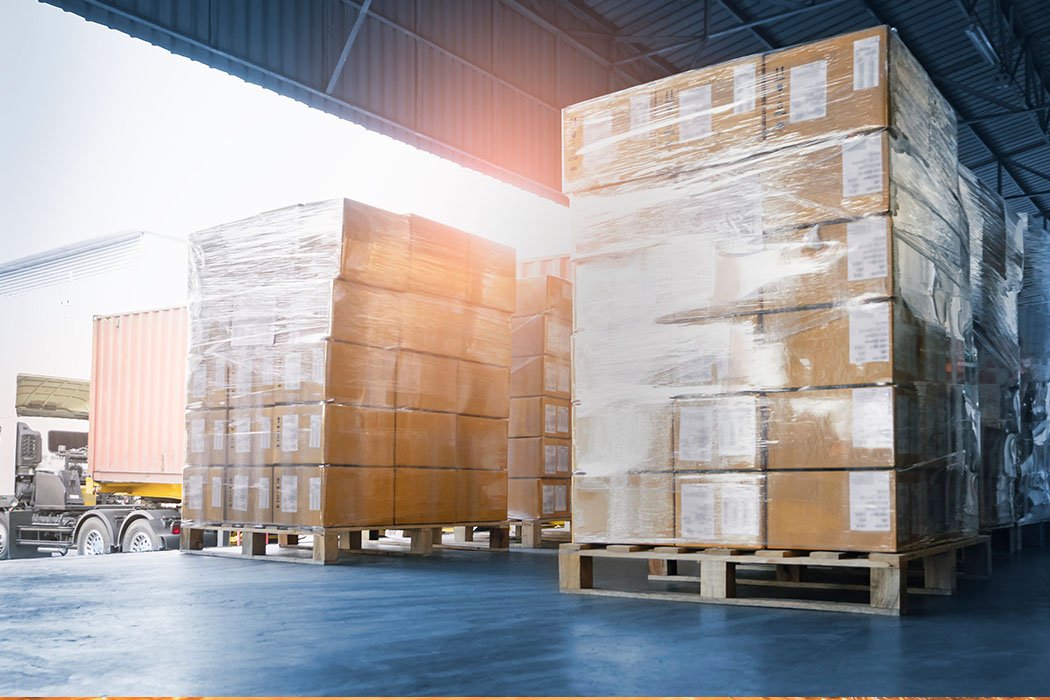
Use a sound, heat-treated wood pallet rated for the load and compliant with ISPM-15 for international shipments. Choose the right footprint (often 48 x 40 inches) and avoid overhang; even a one-inch lip invites edge crush and punctures during cross-docking. Distribute weight evenly, place the heaviest cartons on the bottom, interlock boxes to minimize column collapse, and add a top cap or slip sheet to distribute downward pressure. Corner boards protect edges from strapping and give stretch wrap something rigid to bite into.
Wrap from the pallet deck up in multiple tight passes, capturing the pallet stringers to create a single unitized load. Strap with polyester or steel banding where appropriate, and add “Do Not Stack” cones only if your packaging truly cannot support a pallet on top. If you must declare non-stackable, communicate that in the Bill of Lading and label all four sides consistently. Two common mistakes are under-wrapping heavy boxes that settle mid-transit and allowing products to exceed the pallet footprint, both of which increase the risk of damage when forklifts shift loads at terminals.
- Align customs paperwork across all documents
For U.S.-Canada LTL, consistent data across your Commercial Invoice, Bill of Lading, and packing list speeds release. The Commercial Invoice should list the seller, buyer, and consignee; a clear description of the goods; the Harmonized System (HS) code; the country of origin; quantities; and unit values with currency. If you are claiming preferential duty treatment, include a USMCA certification of origin with the required data elements. Your BOL should match the piece count, total weight, and commodity descriptions, and it should include the customs broker’s phone number or email for after-hours questions.
Affix PAPS (U.S.-bound) or PARS (Canada-bound) labels where applicable, and ensure the number appears on both the paperwork and the shipment. Carriers and brokers use ACE or ACI eManifest data before the load arrives at the port of entry, so mismatches between invoice values, HS codes, or consignee names can trigger a hold. One realistic example: a repair shop in Windsor ships refurbished gearboxes back to a customer in Detroit but forgets to describe the goods as “repaired return” and omits the original serial numbers. That omission can prompt extra questions at the border, delaying the truck in a congested lane.
- Schedule pickup with the right equipment and site access
Confirm the pickup window and any cutoff times that affect when the freight can be linehauled from the origin terminal. Note site constraints such as tight turns, low overhead clearance, or weight-restricted roads that might necessitate a day-cab tractor or a 28-foot pup trailer instead of a 53-foot van. If there is no loading dock, request a liftgate and verify that the ground surface can support safe gate operation. When delivery is to a residential or limited-access location, expect the need for an appointment and plan for potential additional transit time.
Equipment selection is a trade-off: a liftgate adds cost but eliminates risky makeshift loading with skids and planks, and a straight truck can reach alley docks that a full-size trailer cannot. Consider a scenario where a distributor on a narrow downtown street needs two pallets collected. Without noting limited access and the lack of a dock, a full-size rig arrives, cannot back in, and the pickup rolls to the next day. A short call to confirm alley width, dock height, and business hours prevents that rollover and keeps the border timing intact.
- Track the load and prepare for exceptions
Once picked up, use the PRO number or tracking ID to watch terminal scans and border status. If the customs broker needs clarification on an HS code or value, swift responses keep the shipment moving toward release. At delivery, instruct receivers to inspect before signing the delivery receipt, noting any carton crush, torn stretch wrap, or punctures directly on the paperwork and taking timestamped photos. For concealed damage discovered after the driver leaves, report it promptly and preserve packaging for inspection.
Distinguish between a carrier’s limited liability and separate cargo insurance. Dense metal parts may carry a different liability limit than consumer goods, and declared value does not automatically extend coverage. Keep your BOL, Commercial Invoice, packing list, photos of the palletized load before pickup, and proof of value on file. Another realistic example: a machine shop shipping a 600-pound spindle on a crate that was properly banded and wrapped still notes a dented top cap on arrival. Because the receiver recorded the notation at delivery and retained all packaging, the investigation proceeds more quickly than it would if the shipment had been signed clean.
Well-prepared documents, a stable pallet, and accurate pickup details do most of the heavy lifting in cross-border LTL. The remaining work is monitoring. If your consignee requires a delivery appointment, book it as soon as the load clears customs, and share the PRO number and terminal contact in case of weather- or capacity-related delays. By measuring and classifying the freight correctly, choosing ISPM-15 pallets and proper wrapping, aligning HS codes and values across the Commercial Invoice and BOL, and matching equipment to each dock, you set the shipment up to cross the border cleanly and arrive in one piece.