When the air outside feels like soup and the house will not cool down, guessing at what your air conditioner needs wastes time and comfort. In humid Southern towns, a small airflow issue can snowball into an iced evaporator coil, water around the air handler, or a tripped float switch. This diagnostic guide explains what common symptoms usually mean, which checks are safe for a homeowner, and which red flags call for a licensed technician. You will learn how filters, coils, refrigerant charge, ductwork, and condensate drainage interact, so you can describe the problem clearly and protect the system until help arrives.
Early Performance Clues In Humid Heat
If the thermostat is set to 74 but the indoor temperature hovers at 77, pay attention to runtime and airflow. Long runtimes with barely cool air often point to restricted airflow across the evaporator coil or to low refrigerant charge. Weak airflow at the supply vents can come from a clogged filter, a slipping blower belt (older furnaces), or a failing blower motor capacitor. For climate-specific context and local service details, see air conditioning repair dothan.
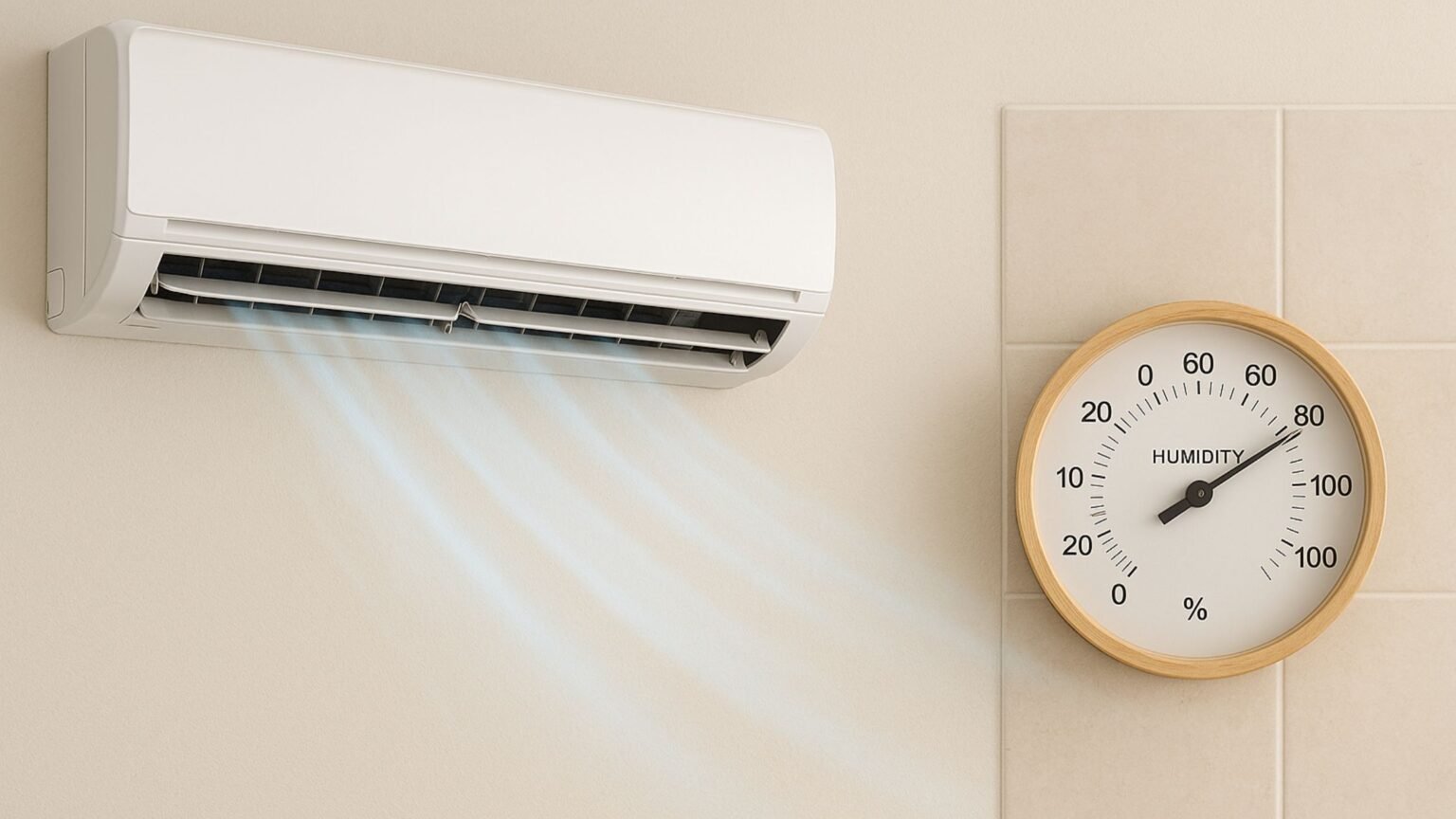
Humidity load also matters. In the Wiregrass region, evening dew points stay high, so an oversize unit may short cycle, dropping temperature quickly but leaving air clammy. You will notice cool bursts, quick shutoffs, and persistent indoor humidity. Conversely, if the system runs continuously without reaching the setpoint, suspect dirty condenser fins, a matted indoor coil, or duct leaks in a hot attic that are pulling in unconditioned air and raising the sensible heat the system must remove.
What Common Symptoms Usually Mean
Warm air from the vents while the outdoor fan is spinning often indicates a failed compressor or a stuck contactor that is not energizing the compressor circuit. A buzzing outdoor unit with a non-spinning fan may have a bad dual-run capacitor; a careful technician can confirm with a multimeter. Frost on the copper suction line or visible ice on the indoor coil usually means low airflow (dirty filter, blocked return grille, closed supply registers) or low refrigerant charge. Water on the floor under the air handler points to a clogged condensate drain or a tripped condensate float switch that has shut the system down to prevent overflow.
Short cycling, where the system turns on and off every few minutes, can stem from thermostat placement in a sunbeam or over a supply register, a failing high-pressure switch at the condenser, or a refrigerant problem causing pressure spikes. A dead quiet system with a tripped breaker suggests a grounded compressor, a failing blower motor, or a short in the control wiring. If a breaker trips more than once, do not keep resetting it; that heat buildup can damage insulation on conductors or the motor windings.
Safe Checks You Can Do In Minutes
Start with airflow. Remove and inspect the return filter. If it is visibly gray, matted, or bowed, replace it with a clean filter of the same size and appropriate MERV rating. Make sure the return grille is not blocked by furniture and that all supply registers are open. Verify the thermostat mode is set to Cool, the setpoint is a few degrees below room temperature, and the fan is set to Auto, not On (On can raise indoor humidity by re-evaporating moisture from the coil between cycles).
Next, check the condensate system. Find the white PVC drain line near the indoor coil and pour a small cup of distilled vinegar into the cleanout port if present to help dissolve algae. If there is a condensate safety switch wired inline, make sure its float is not sitting high from a full pan. Outside, clear leaves and grass from at least 18 inches around the condenser. Look through the top grille: if the condenser coil is caked with cottonwood or lint, shut power off at the disconnect, then gently rinse from the inside out with a garden hose on low pressure. High-pressure sprays can fold fins and reduce heat transfer.
Mistakes To Avoid And Practical Trade-Offs
Skip refrigerant “top-off” cans. Modern systems use precise charge targets verified by superheat and subcooling measurements, and refrigerant is not a consumable. If charge is low, there is usually a leak that must be located and repaired to protect the compressor. Avoid repeated breaker resets; a breaker that trips twice has identified a fault that needs correction, not a reset button. Do not chip ice from an evaporator coil with tools; turn the system off at the thermostat and let it thaw, placing towels around the air handler to catch condensation.
Consider the filter-efficiency trade-off. A high-MERV filter can capture fine dust and pollen, but in a return cabinet not designed for the added resistance, it can starve the blower and allow the coil to freeze. If you notice whistling at the return or collapsed filters, drop to a moderate MERV rating or increase filter surface area with a media cabinet. Resist the urge to close registers in rarely used rooms; closing several increases static pressure, which can push air out of duct leaks in a hot attic and reduce overall airflow through the coil. When cleaning the outdoor coil, do not use acidic cleaners on microchannel coils unless the manufacturer specifically allows it.
After A Repair: Keeping Performance Steady All Season
Once a technician corrects the root cause, simple habits make the fix last. Replace the return filter every 30 to 60 days during peak cooling, or sooner if you see visible loading. Treat the condensate line monthly with vinegar or manufacturer-approved tablets, and ensure the drain terminates with a visible drip point so you can spot a blockage early. Keep shrubs trimmed around the condenser for full airflow. If your thermostat offers dehumidification or “cool to dehumidify,” use it to control indoor moisture without driving temperature uncomfortably low.
Think about the building envelope and ducts, not just the equipment. Sealing and insulating accessible duct runs, especially in a vented attic, can cut infiltration that drives up humidity and makes the system feel underpowered. If a technician found a refrigerant leak, watch for telltales like frost returning on the suction line or longer runtimes, and schedule a follow-up if they appear. Finally, aim for one professional tune-up before summer. A proper visit includes coil inspection, electrical testing (capacitors and contactors), blower wheel cleaning, and verification of superheat and subcooling, which together keep you ahead of the next heat wave.
About the Author