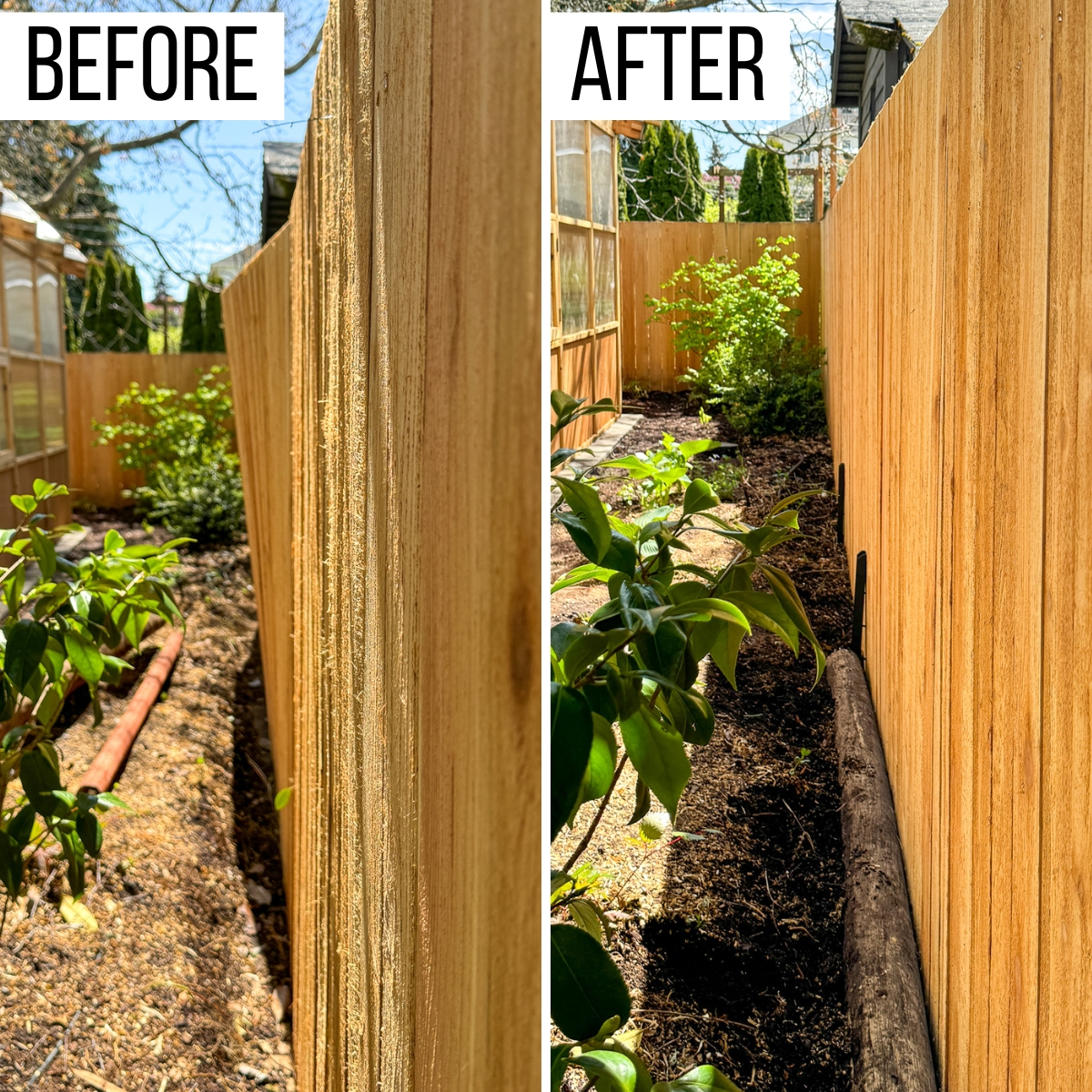
The fence beside the driveway leaned last spring. Someone pushed it upright, added a brace, and tightened a few loose boards. For a while, everything looked normal. Then, after another stretch of wet weather, the same section began tilting again. The repair had changed what was visible without necessarily changing what was wrong.
A recurring lean is one reason fence repair deserves more than a quick inspection of the panels. When discussing a troublesome fence with Hawk Fences, homeowners can describe exactly where the movement began, what was done previously, and how quickly the problem returned. Those details are often more useful than simply saying the fence is crooked.
The cause may be a post that has lost its grip in the soil, a connection that keeps loosening, or pressure from a gate that is too heavy for its supports. Sometimes more than one problem is involved. Finding the source matters because repeated straightening can put fresh stress on parts that were not damaged in the first place.
First, Find Out What Is Actually Moving
A leaning fence does not always mean the entire structure is shifting. Stand back and look along the top line. Do several panels tilt together, or does one board appear out of place? Is the gate sagging while the posts remain upright? The answer changes the likely explanation.
If a post and its neighboring rails lean as one unit, movement at or below ground level is a possibility. If the posts appear vertical but the panels sit at an angle, loose rail connections or damaged brackets may be responsible. A single bowed board can create the impression that a whole section has moved, even when the supports are stable.
Look for Clues Without Forcing the Fence
Check for new gaps around posts, cracked concrete at their bases, exposed fasteners, and rails that have pulled away. Photograph the section from the same position over several weeks if the movement is gradual. Avoid shaking or pushing an unstable fence to test it, especially if it borders a sidewalk or supports a heavy gate. A section that could fall should be kept clear until it is assessed.
The Ground May Be Letting the Post Move
A fence post depends on the surrounding ground and its footing for support. Loose fill, erosion, and repeated wetting can reduce stability. A post that was originally set in poorly compacted material may gradually shift even if the material above ground remains sound.
Imagine a corner where downspout water flows toward the fence after every storm. Soil slowly washes from one side of a post, leaving less support than before. Straightening the post and packing a small amount of soil around it might improve its appearance temporarily, but runoff can continue to remove material.
The answer is not always to pour more concrete. The drainage route, footing condition, soil characteristics, and post dimensions all need consideration. Proper fence repair may involve replacing a compromised post or footing and correcting the water problem that contributed to its movement.
Wind Pressure Can Expose a Weak Support
A solid privacy fence catches more wind than an open design. That force travels through the panels and rails to the posts. If the post spacing, connections, or foundations are unsuitable for the site, repeated strong winds can gradually worsen a small weakness.
This helps explain why a long exposed section may keep leaning while a nearby section sheltered by a building stays straight. The apparent problem might be a few loose fasteners, but tightening them will not solve an undersized or damaged support.
A homeowner might ask Hawk Fences to evaluate the affected run rather than replacing an isolated board. That keeps attention on the load carried by the whole section, including any changes made since the original installation. For instance, attaching solid screening to a previously open fence can increase the amount of wind it catches.
Rot and Corrosion Can Hide Behind a Straightened Panel
Some failures are less obvious than displaced soil. A wooden post may appear solid near the top yet have decay concentrated near the ground, where moisture collects. Metal posts or connections may corrode in vulnerable areas, particularly where protective finishes are damaged or incompatible hardware has been used.
Why Cosmetic Fixes Often Disappoint
A brace can hold a weakened section straighter for a time. New screws may pull a rail back into position. Neither measure restores lost strength to a rotting post or severely corroded connection. The visible improvement can create false confidence, especially when the fence is relied upon to contain pets or separate a yard from a public walkway.
Check for wood that feels soft or crumbles, rust that has reduced the thickness of a component, and connections that no longer grip securely. Those signs call for an assessment of the damaged members and their supports. Replacing sound boards while leaving a failing post in place merely hides the problem.
A Sagging Gate Can Pull the Fence Out of Shape
A gate is opened, closed, and sometimes slammed many times a week. Its weight acts differently from a fixed panel, particularly at the hinge post. As a result, the first sign of trouble may be a latch that no longer lines up rather than an obvious lean.
If a heavy gate was attached to a post not adequately supported for that load, readjusting the hinges may only offer a brief improvement. The gate may begin dragging again as the post moves. Similarly, wheels or hardware added to compensate for sagging cannot correct every foundation problem.
The hinge post, its footing, and the gate frame should be considered together. A practical solution might involve rebuilding the support, correcting the frame, or using hardware suited to the gate. Simply trimming the bottom edge to stop scraping can leave the underlying movement untouched.
What to Ask Before Approving Another Repair
The most helpful conversation is about the reason for the failure, not just the appearance of the finished work. Ask which component moved, how that conclusion was reached, and whether water, wind, decay, or gate weight could cause the same problem again. If posts are being replaced, ask how the new supports will suit the site conditions and applicable requirements.
A fence repair estimate should distinguish between a temporary stabilization measure and work intended to address the underlying defect. That distinction matters when a damaged section must be made safer immediately but permanent work requires additional assessment. Ask what parts will remain, what parts will be replaced, and whether nearby sections show similar wear.
Hawk Fences may be one of the providers consulted for such an assessment; photographs of earlier work and notes about when the lean returned can make that conversation more productive. A clear history helps avoid paying repeatedly for a symptom that has never been properly diagnosed.
Preventing the Same Trouble After the Work Is Done
Once the structure is sound, small maintenance habits can help. Keep roof runoff and irrigation spray from repeatedly soaking the same post bases where practical. Avoid stacking heavy materials against panels, and do not attach screens or other objects without considering the extra load. Watch for a gate that begins sticking rather than waiting until the post visibly tilts.
Inspect the fence after severe weather and during ordinary yard maintenance. You do not need to measure every post. Notice changes in the gaps between rails and posts, the way the gate closes, and any new cracks around foundations. Early changes are easier to investigate while the affected area is still limited.
Fix the Cause, Not Just the Angle
A fence that leans twice is offering useful information: the first solution may not have addressed the force or damage making it move. Sometimes the cause is straightforward, such as an isolated loose connection. Other times, a weakened foundation, persistent drainage issue, or overloaded gate needs a more substantial solution.
Before arranging another fence repair, document the pattern and ask for an explanation that reaches beyond the crooked boards. Whether the work is discussed with Hawk Fences or another qualified professional, a repair should be judged by how well it addresses the cause, not only by how straight the fence looks on the day the crew leaves.
About the Author