
On the morning a roofing crew arrives, the most visible change is often the pile of old shingles coming down. A driveway fills with equipment, protective coverings go up, and suddenly the house looks less finished than it did the day before. Homeowners may expect new shingles to follow almost immediately, but the work between removal and installation deserves just as much attention.
Roof Installation is a sequence of decisions, not simply the act of fastening new material to a house. The surface has to be exposed, examined, and prepared in the right order. Skipping a check early in the process can leave the next layer hiding an issue that would have been easier to correct while everything was open.
Before the first day, a homeowner might ask Ragan Roofing how the crew handles unexpected findings and which stages can be documented with photographs. Those questions reveal something useful about the project: what looks like a single job from the street is really a series of inspections and handoffs, each affecting the one that comes next.
First, the Property Has to Be Ready for Tear-Off
Preparation begins on the ground. Removing an existing roof can send nails, grit, and fragments of old material toward landscaping, walkways, and parked vehicles. Crews need room for materials and debris collection, and homeowners need to know which entrances are safe to use during active work.
Moving vehicles out of the driveway is usually a practical first step. Patio furniture, planters, and fragile decorations may also need relocating. Inside, vibrations from roof work can sometimes disturb loosely hung pictures or delicate objects on high shelves. A little planning reduces avoidable damage and makes it easier for workers to move safely.
Ask where discarded materials will go, how plants will be protected, and what the cleanup plan includes. These questions do not change the roofing materials, but they can make the workday much less stressful.
Removing the Old Covering Changes What the Crew Can See
An estimate is often based on what can be observed before demolition. Once shingles and other old layers are removed, hidden conditions become easier to assess. That is why a responsible installation plan should allow for discoveries rather than assuming everything underneath will be perfect.
The Decking Check Is a Decision Point
The roof deck, commonly plywood or oriented strand board, must be sound enough to support the new system and hold fasteners properly. Workers may find soft areas around an old penetration, damaged edges near the eaves, or boards that have warped. Not every dark mark means the wood needs replacing, and the correct response depends on its actual condition.
A useful process separates the original scope from additional work. The contractor identifies the affected area, explains why correction is needed, and documents the change before covering it. Homeowners should know in advance how those approvals will happen, especially if they cannot be present throughout the day.
The Crew Establishes a Clean Starting Surface
With removal complete and necessary deck repairs finished, the roof installation process moves to creating a surface suitable for the products going on top. Old fasteners, loose fragments, and protruding edges can interfere with new layers. Small irregularities matter because the materials above them must lie and attach as their manufacturers intend.
This stage is not glamorous. It may involve pulling stray nails, securing decking where needed, and checking transitions where different roof sections meet. Still, a clean starting surface makes later work more predictable. It also gives the crew a final opportunity to identify trouble before protective layers obscure the deck.
Water Protection Goes Down in a Planned Order
Underlayment and any required specialized membranes are installed before shingles. Their placement depends on roof slope, product instructions, and applicable building requirements. The idea is to manage moisture that gets past the outer roof covering, especially at vulnerable sections.
At this point, Roof Installation becomes a matter of sequence. A layer placed too late may not overlap the adjoining material correctly. Edge metal and underlayment, for example, have different placement relationships at eaves and rakes under common shingle installation methods. That detail is easier to get right when the crew follows an established plan instead of improvising around completed work.
Roof Openings Need More Than a Quick Bead of Sealant
Plumbing pipes, exhaust vents, and similar openings interrupt the roof surface. Components around them must suit the specific opening and roofing system. The same is true where a roof meets a wall or chimney. These are places where the work may involve coordinating existing building details with new materials.
Homeowners do not need to inspect each lap or nail themselves. They can ask for a few photographs taken before the areas are covered. A record of concealed work is useful if questions arise later, especially around a location that has leaked in the past.
Ventilation Questions Should Be Settled Before Closing the Roof
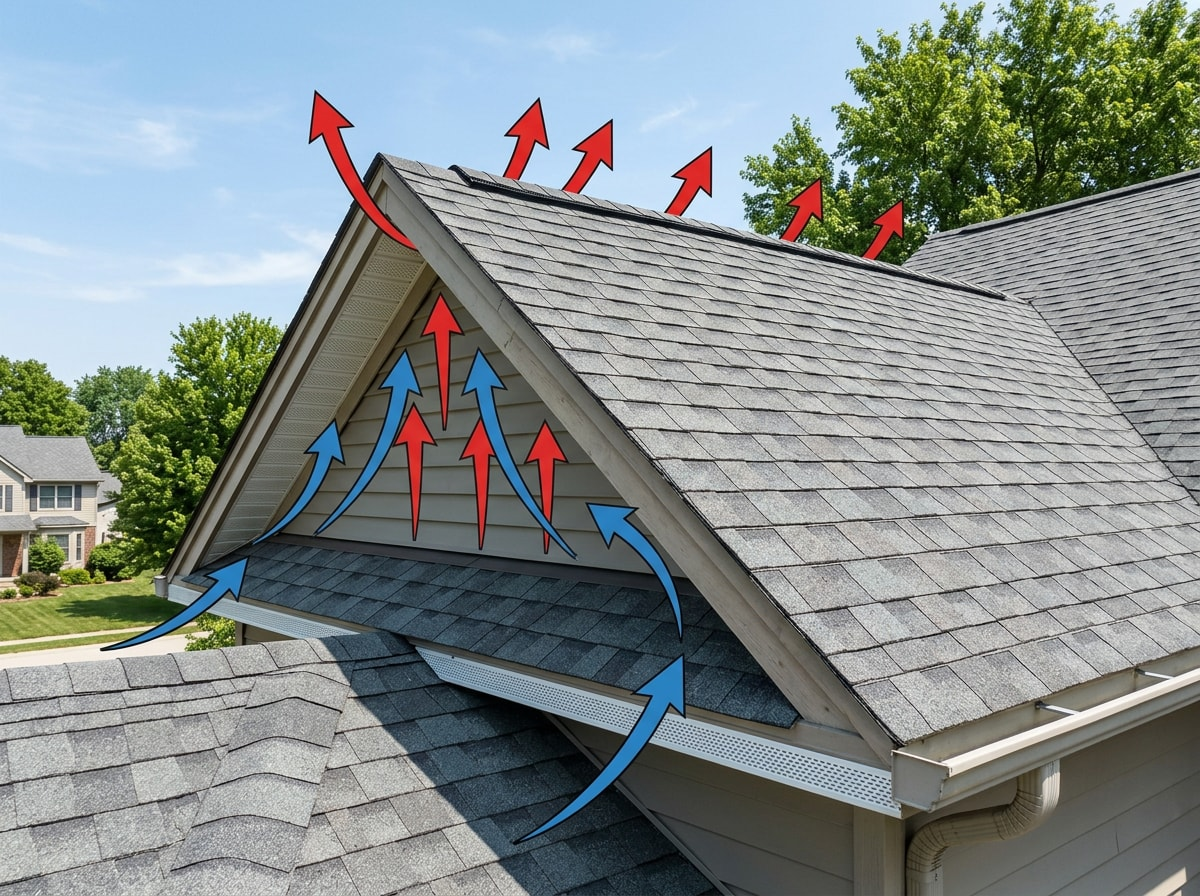
Installing a new covering presents an opportunity to assess existing roof ventilation, but it does not mean every house needs additional vents. An attic’s design, insulation, air sealing, and current airflow all affect what is appropriate. A house with a finished, unvented roof assembly may need a different approach from one with a conventional vented attic.
For that reason, ventilation decisions should be made as part of the roof plan, not by adding an opening at the last minute. If a new vent is proposed, ask what problem it is meant to address and how it works with the rest of the assembly. Ragan Roofing can be asked to explain the ventilation portion of its proposed scope in plain terms, just as any contractor should.
A Short Pause Before Shingling Can Prevent Long-Term Confusion
Once the deck, protective layers, edges, and necessary penetrations are ready, the crew reaches an important handoff. The visible roof covering can finally go on. Before that happens, it is reasonable to confirm that any discovered damage has been addressed and that changes to the original scope are understood.
This does not require interrupting active workers or climbing a ladder. A designated contact can provide a quick summary or share a handful of images. If the work spans more than one day, ask how the exposed roof will be protected if weather interrupts the schedule. Temporary protection should be planned around conditions and the materials already installed.
A homeowner evaluating Ragan Roofing may also want to know who answers questions during the job and whether a final walkthrough is available. Clear communication is most valuable when something unexpected happens, not only when the project follows the schedule exactly.
The Finished Roof Begins With the Work Nobody Sees
By the time the first row of shingles is installed, much of the roof’s preparation is already complete. The old covering has been removed, the supporting surface checked, and the underlying protection arranged. Good preparation cannot guarantee a roof will never have trouble, but it helps reduce preventable mistakes that would be difficult to inspect later.
For homeowners arranging Roof Installation, the best questions are often about what happens before the new surface becomes visible. Ask how the roof will be assessed, how changes will be approved, and how hidden work will be documented. Whether the project involves Ragan Roofing or another provider, those answers make it easier to understand what is being built above your home not just what it will look like from the curb.
About the Author