Choosing truck tires gets tricky when your driving doesn’t fit neatly into one category. Maybe your weekday commute is mostly pavement, but your weekends involve rocky trails, loose gravel, muddy access roads, or a campsite that seems determined to test your suspension.
A traditional all-terrain tire can handle plenty of that. But once the terrain gets rougher and you still don’t want the compromises of a full mud-terrain setup, rugged terrain tires start to make a lot of sense.
The Middle Ground Between A/T and M/T Tires
Think of rugged terrain, or R/T, tires as sitting between conventional all-terrain and mud-terrain designs.
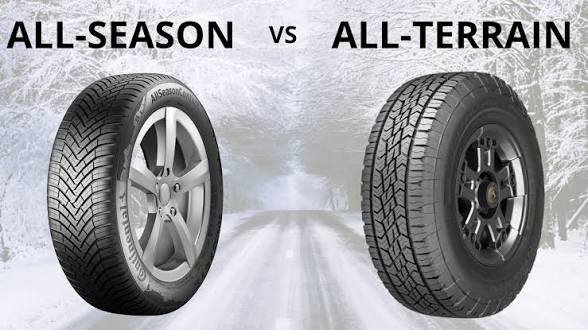
All-terrain tires generally favor versatility. They’re designed to remain manageable on pavement while providing enough tread aggression for gravel, dirt, mild mud, and recreational trail driving.
Mud-terrain tires lean much harder toward off-road performance. Their large tread blocks and wide voids can provide serious bite in loose terrain, but that aggression may come with more noise and less refinement during everyday road use.
R/T tires try to split the difference.
They typically have more aggressive tread and shoulder features than a standard A/T while retaining characteristics intended to make highway driving more comfortable than you’d expect from a dedicated mud tire.
For someone whose truck serves as both transportation and weekend equipment, that’s an appealing compromise.
Your Trails Are Getting Rougher
One of the clearest signs that you should consider moving beyond a standard all-terrain tire is simply that your usual terrain has changed.
Maybe the gravel roads you used to drive have turned into rocky trails. Perhaps you’re spending more weekends exploring unmaintained roads where deep ruts, sharp stones, and loose surfaces are common.
That’s where stronger construction becomes valuable.
For example, the Patagonia X/T from Milestar Tires uses a cut-and-chip-resistant compound and a three-ply sidewall designed to provide extra protection in rough conditions. Features like these matter when tires regularly encounter rocks and gravel rather than occasional dirt roads.
Sidewall protection deserves particular attention. Your tread isn’t the only part of a tire exposed off-road. Rocks, roots, and trail debris can strike the sidewall, especially when you’re moving through narrow or uneven terrain.
You Need More Traction but Don’t Want a Mud Tire
There’s a big difference between encountering mud occasionally and building a truck specifically to conquer deep mud.
If you’re regularly dealing with moderate mud, loose dirt, uneven trails, and rocky climbs, a mild A/T may eventually feel limiting. But jumping straight to an M/T could be unnecessary.
An R/T design can give you more substantial tread blocks and open shoulder areas without going all the way to an aggressive mud-terrain pattern.
Open shoulders are particularly useful off-road because they create additional edges that can grab loose surfaces. Tread blocks also need enough rigidity to remain stable instead of flexing excessively as conditions change.
The result is a tire category aimed at drivers who genuinely leave pavement but still spend plenty of miles getting to the trail.
Highway Driving Still Matters
It’s easy to choose tires based on the hardest trail you’ve ever driven.
That’s usually the wrong approach.
Think about where your truck actually spends its mileage. If you drive 200 highway miles to reach a trail that lasts 20 miles, pavement performance matters quite a bit.
Aggressive tread patterns can generate noticeable road noise. Tire makers can reduce this by changing the arrangement and spacing of tread blocks, often called pitch sequencing. A carefully designed pattern can help keep an aggressive tire from producing an annoying hum at highway speeds.
That’s an important distinction with R/T tires. They’re not simply about adding bigger tread blocks. Good designs also consider what happens after you leave the trail and merge back onto the highway.
If your truck is still your daily driver, those details aren’t minor.
Rocks and Gravel Keep Getting Stuck in the Tread
You’ve probably seen it after driving down a gravel road: small stones wedged tightly between tread blocks.
Some aggressive off-road tires include stone ejectors to help prevent rocks from becoming deeply lodged in the tread. These raised features within the grooves encourage stones and debris to work their way out as the tire rotates.
That sounds like a small feature until you regularly drive gravel roads, mining roads, ranch tracks, construction sites, or rocky trails.
Repeated stone retention can be annoying, and sharp debris is something you’d rather have pushed away from the tread whenever possible.
It’s another example of why choosing off-road tires should involve more than looking at how aggressive the tread appears.
Winter Driving Is Part of the Equation
Snow adds another layer to the decision.
An aggressive tread pattern doesn’t automatically mean a tire is designed or tested for severe winter conditions. If snow performance matters where you live or travel, look for the Three-Peak Mountain Snowflake (3PMSF) symbol.
The symbol indicates that the tire meets specific performance requirements for acceleration traction in severe snow conditions.
That’s especially useful for trucks that see changing conditions throughout the year. A weekend trail might be dusty in summer, muddy in autumn, and covered with snow several months later.
Still, remember that a 3PMSF-rated rugged terrain tire isn’t automatically equivalent to a dedicated winter tire in every winter situation. Ice and extreme cold can create demands that go beyond what a multipurpose truck tire is designed to handle.
Don’t Choose Based on Appearance Alone
Here’s where plenty of truck owners get caught.
Aggressive tires look great.
Large tread blocks, chunky shoulders, and heavier construction can completely change a truck’s stance. But appearance shouldn’t decide which tire category you buy.
Ask yourself a few practical questions instead:
How often do you actually leave pavement? What type of terrain do you encounter? How much highway driving do you do? Do you regularly encounter rocks or moderate mud? Are snow-covered roads common?
If your truck spends 95 percent of its life commuting through town, a rugged terrain tire may be more capability than you need.
On the other hand, if you’re constantly asking your A/T tires to handle rough trails, an R/T could be exactly the step up you’ve been looking for.
Tire Construction Matters as Much as the Category
Don’t assume every tire carrying the same category label will perform identically.
Look at the individual tire’s construction and features.
Sidewall design is important for rough terrain. Tread compounds designed to resist cuts and chips can also be useful on rocky surfaces. Tread-block supports may improve stability, while stone ejectors can help manage debris.
Then there are the basics: load rating, speed rating, tire dimensions, approved wheel width, and vehicle fitment.
Those specifications aren’t nearly as exciting as giant tread blocks, but they’re more important.
A tire should match your vehicle and the loads you actually carry. Changing to a larger or heavier tire can also affect steering, braking feel, fuel consumption, clearance, and overall driving behavior.
The Right Tire Matches Your Real Driving
Rugged terrain tires make the most sense when you’ve genuinely outgrown a conventional all-terrain tire but aren’t ready to accept the compromises of a dedicated mud-terrain setup.
They’re particularly well suited to trucks and SUVs that regularly move between highways and rougher environments, including rocky trails, gravel roads, moderate mud, and changing weather.
Don’t buy tires for the toughest trail you might someday attempt. Buy them for the roads and trails you actually drive.
When pavement comfort still matters but your weekends demand stronger off-road capability, that middle ground can be exactly where you want to be.
About the Author