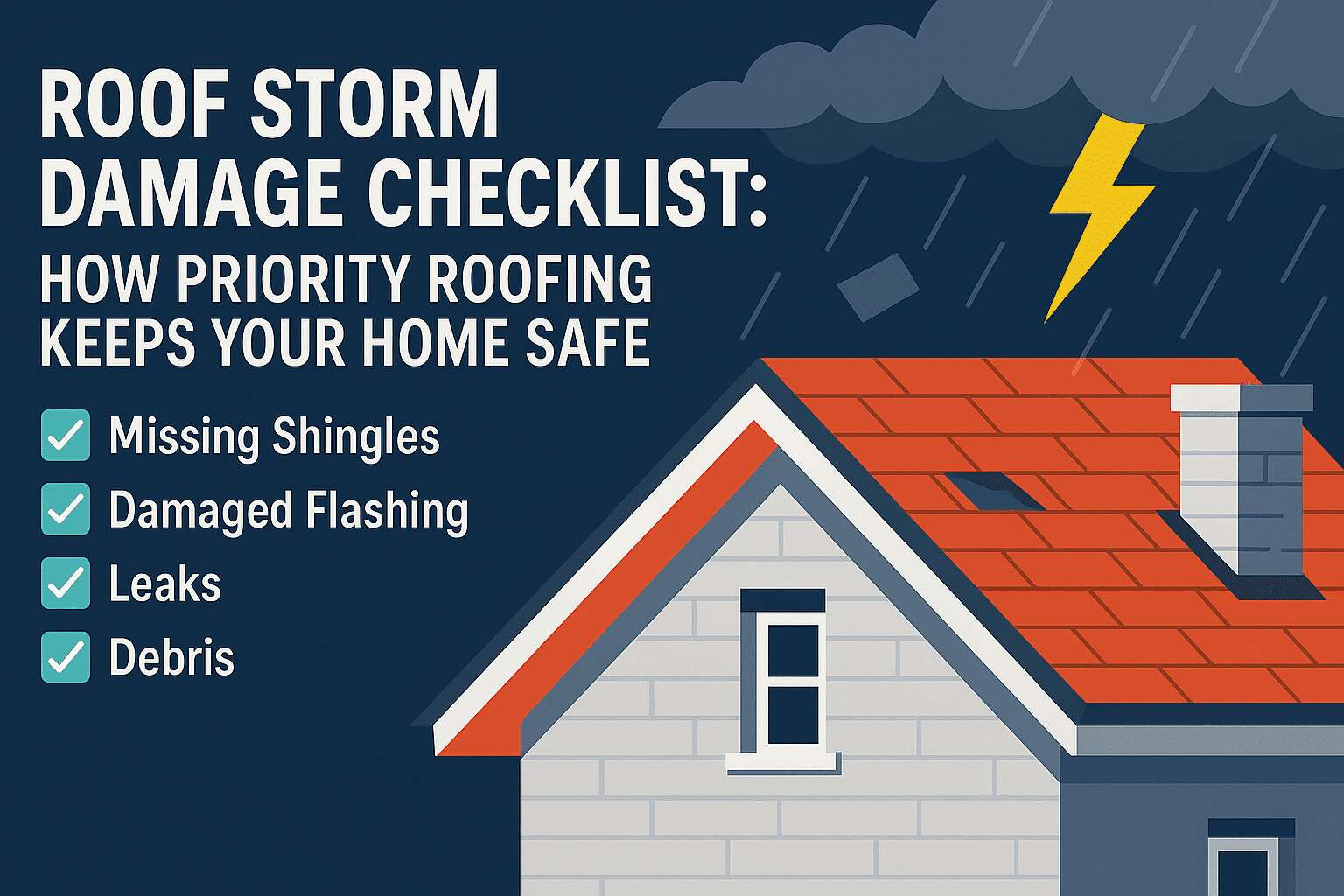
A tree limb hits the roof during a storm. Water suddenly starts dripping near a light fixture. Shingles are scattered across the yard after strong wind. In situations like these, the first instinct is often to rush outside and see exactly what happened. That can create more risk than the roof damage itself.
The first hour should be about safety, limiting interior damage, and gathering enough information to decide what comes next. Emergency Roofing is useful when the roof can no longer protect the building safely until normal repairs can be arranged. Class Roofing may become part of that response, but homeowners can make the situation easier to manage by taking a few sensible steps before anyone starts working on the roof.
First 10 Minutes: Keep People Away From the Damaged Area
Before worrying about shingles, gutters, or leaks, make sure everyone inside the house is safe.
If a tree or heavy object has struck the roof, avoid rooms directly beneath the impact area. Structural damage is not always obvious from inside. A ceiling may look intact even if framing above it has been affected.
Move family members and pets to another part of the home. If you hear cracking, notice a ceiling sagging rapidly, or see obvious structural movement, leave the affected area entirely.
Electrical hazards deserve the same caution. Water near ceiling fixtures, outlets, appliances, or electrical panels should never be treated like an ordinary drip. Avoid touching wet electrical equipment and contact the appropriate emergency professionals if there is an immediate electrical danger.
The goal during these first few minutes is simple: do not turn property damage into a personal injury.
Minutes 10–20: Control Interior Water Without Taking Risks
Once everyone is safe, focus on what can be protected from inside.
Place buckets or other containers beneath active drips. Move furniture, electronics, rugs, documents, and other belongings away from wet areas if you can do so safely. Towels or plastic sheeting may help protect flooring from smaller amounts of water.
Pay attention to the ceiling itself. If drywall is bulging because water has collected above it, do not stand underneath the swollen area. Wet drywall can become heavy and may collapse without much warning.
Homeowners sometimes assume they need to climb into the attic immediately. That is not always a good idea. Attics can be difficult to navigate even when dry, and water may make framing or access points slippery.
Emergency Roofing situations are easier to manage when the first actions reduce exposure without creating a second hazard. A bucket placed safely on the floor is often more useful than an improvised repair attempted above a wet ceiling.
Do Not Climb Onto the Roof to “Take a Quick Look”
This is one of the most important things to avoid.
A damaged roof may have loose shingles, broken decking, wet surfaces, exposed nails, unstable branches, or sections that no longer support weight properly. Those hazards can be difficult to recognize from the ground.
Storm conditions make the situation worse. Wind can shift suddenly, rain makes roofing materials slippery, and nearby branches may still be unstable.
Even if the weather has passed, the roof may not be safe to walk on. A section that looks solid could have damaged decking underneath.
Class Roofing can evaluate roof conditions without a homeowner first putting themselves at risk to confirm the problem. You do not need a close-up photograph from the roof to prove that something is wrong.
Minutes 20–30: Look From Safe Ground-Level Positions
Once the immediate interior situation is under control, take a careful look from outside if conditions are safe.
Stay on the ground. Walk around the property and look for visible changes such as missing roofing material, bent flashing, hanging gutters, broken tree limbs, debris, or a visibly damaged roof edge.
Do not stand beneath branches that appear cracked or partially detached. Avoid areas where power lines are down or where loose building material could fall.
Photos taken from several safe angles can be helpful. Try to capture the damaged portion of the roof, debris in the yard, interior water stains, and any affected belongings.
You are not trying to diagnose the entire roof. You are simply creating a record of what is visible before cleanup or temporary work changes the scene.
Look Beyond the Most Obvious Damage
The largest visible problem is not always the only one.
A branch may have struck one section while wind lifted shingles somewhere else. A damaged gutter may draw attention while flashing around a nearby wall has also shifted. Water may enter through one opening and appear indoors several feet away.
This is why a quick ground-level check should cover more than the exact place where the incident occurred.
Look at ridges, edges, valleys, gutters, and roof penetrations from wherever they are visible safely. Also check the attic or upper-floor ceilings later for new moisture signs, but only if those areas are safe to access.
A broader inspection becomes especially important when Class Roofing is assessing damage after a significant weather event because the visible impact point may not tell the whole story.
Minutes 30–40: Protect the House, Not the Roof
Homeowners often want to stop the leak immediately, which can lead to improvised rooftop fixes.
Avoid fastening tarps, applying roofing cement, moving damaged shingles, or trying to remove large branches yourself unless you are properly equipped and the work can be done safely. Improvised work can make the damage worse or create additional openings.
Instead, concentrate on the interior areas you can reach safely. Continue collecting water, move belongings, and keep people away from weakened ceilings.
If rain is still entering heavily, professional temporary protection may be needed. Temporary work is meant to reduce additional exposure until permanent repairs can be evaluated. It is not necessarily the final repair.
That distinction matters because sealing the most visible opening does not automatically address damage beneath the roof covering.
Minutes 40–50: Decide Whether the Situation Is Truly Urgent
Not every damaged shingle requires an immediate response in the middle of the night. Some conditions can wait for a normal inspection, while others should be addressed quickly.
Emergency roofing in Newark becomes more appropriate when there is active water entering the home, significant material missing from the roof, damage from a fallen tree, a large opening, sections that appear unstable, or another condition that leaves the structure exposed.
A single damaged shingle on a dry day may be different. The same is true for minor gutter damage that is not allowing water inside.
The practical question is whether waiting could allow substantial additional damage or create a safety problem.
If the answer is yes, faster attention is reasonable.
Minutes 50–60: Gather the Information Someone Will Need
Before making calls, collect a few basic details.
Know roughly where the damage occurred, when you first noticed it, whether water is actively entering, and what caused the problem if you know. Mention whether a tree or other object is still resting on the roof.
Photos can make the initial conversation clearer, but do not delay necessary help simply because you cannot get a perfect picture.
If the damage followed severe weather, write down the approximate time of the event. Keep receipts for emergency measures or temporary protection, and save photographs of visible conditions before substantial cleanup begins.
You may also need to contact your insurance provider depending on the type and extent of damage. Policy requirements vary, so follow the instructions provided by your insurer rather than assuming a particular repair or documentation process applies.
Temporary Protection Is Only the First Stage
Once the immediate threat is controlled, the roof still needs to be evaluated.
Temporary coverings can keep additional rain away from an opening, but they do not reveal whether decking, underlayment, flashing, or structural materials were damaged.
The next inspection should answer several questions. Where exactly did the roof fail? How far does the damage extend? Did water reach the deck or attic? Can the affected area be repaired, or is the problem more extensive?
This is where Class Roofing can move from short-term stabilization to understanding what permanent work is actually appropriate.
The First Hour Should Be Calm, Not Heroic
Sudden roof damage creates pressure to act immediately, but the most useful actions are usually simple: keep people away from danger, control water from inside, document what can be seen safely, and avoid climbing onto a compromised roof.
Emergency Roofing is most valuable when the home is actively exposed and waiting could make the problem worse. Class Roofing can then assess what happened after the immediate situation is stabilized, while the homeowner avoids taking unnecessary risks. Protecting the house matters, but during that first hour, protecting the people inside it comes first.
About the Author