
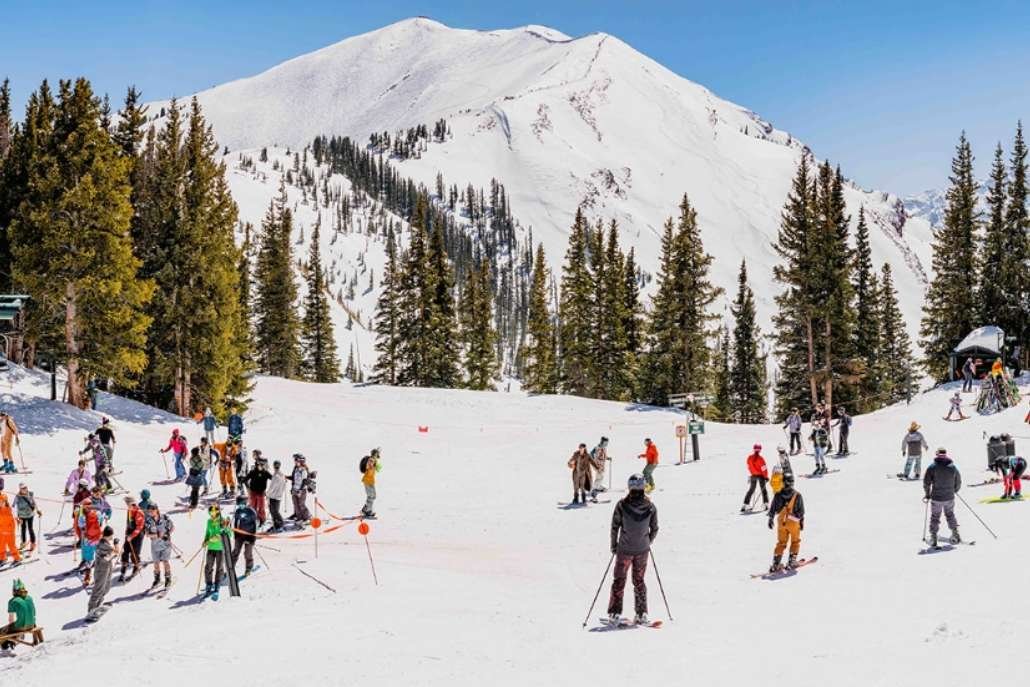
Aspen photographs beautifully, but photographs do not tell you how the destination actually works.
For someone visiting for the first time, the difference matters. Aspen is a mountain community with its own geography, seasonal rhythms, weather considerations, transportation network, and high-demand periods. A little knowledge before arrival can make the difference between spending the first day figuring things out and immediately enjoying the trip.
The key is not creating an itinerary for every minute. It is understanding a few practical details that are specific to traveling in the mountains.
Altitude Deserves Respect
One of the easiest things for first-time visitors to underestimate is elevation.
Aspen sits at roughly 8,000 feet above sea level. If you’re arriving from somewhere near sea level, that is a meaningful change.
Some travelers adapt quickly, while others need more time.
The Centers for Disease Control and Prevention provides guidance about altitude travel and notes that acclimatization is important when visiting higher elevations.
That makes arrival day a good candidate for a lighter schedule.
Instead of immediately planning the most physically demanding activity of the trip, consider giving yourself time to settle in. Staying hydrated, limiting strenuous activity initially, and paying attention to how you feel can make the transition more comfortable.
Anyone concerned about altitude because of personal health circumstances should seek individualized advice from a qualified medical professional before traveling.
Understand Aspen’s Layout Before You Arrive
Aspen is compact compared with a major city, which can surprise first-time visitors.
Depending on where you are staying and what you plan to do, walking may be practical for a significant portion of the trip.
The City of Aspen provides visitor information about transportation and mobility, while the Roaring Fork Transportation Authority operates public transportation throughout the region.
Looking at these resources before arrival can help you determine when you actually need a vehicle.
This matters because the best transportation strategy is not necessarily using one method for everything.
Walking might make sense for one activity, public transportation for another, and prearranged transportation for a specific airport or longer-distance journey.
Mountain Weather Can Change the Day
Weather deserves more attention in Colorado’s mountains than many visitors initially give it.
Conditions can vary with elevation and can change relatively quickly.
Rather than relying exclusively on the weather displayed by a generic phone application, travelers can consult the National Weather Service when conditions may affect important plans.
This is particularly useful before longer drives, outdoor activities, or winter travel.
The Colorado Department of Transportation also provides road-condition information through COtrip, including closures, incidents, construction, and other transportation updates.
Checking conditions is particularly valuable before departure days, when a delay has the potential to affect a flight.
Think About What You’re Packing for
Packing for Aspen becomes easier when you think in terms of activities rather than simply the number of days.
Ask what you will actually be doing.
A traveler planning restaurants, galleries, and relaxed sightseeing needs a different suitcase from someone planning several days of skiing or hiking.
Layering is particularly useful in mountain environments because temperatures can vary throughout the day.
A practical packing strategy might account for:
- Comfortable walking
- Changing temperatures
- Sun exposure
- Outdoor activities
- Evening plans
- Seasonal precipitation
Footwear deserves particular attention. Beautiful shoes that are uncomfortable on a normal sidewalk rarely become more practical at elevation, around snow, or after a full day of walking.
Sun Exposure Is Different at Elevation
Cool temperatures can make people underestimate sun exposure.
Higher elevations can increase ultraviolet exposure, and snow can reflect sunlight during winter.
Visitors spending significant time outside should plan accordingly.
The Environmental Protection Agency publishes information about the UV Index, while weather forecasts frequently include local UV conditions.
Sun protection is therefore relevant beyond summer.
Sunglasses, appropriate clothing, shade, and sunscreen can all become important parts of a mountain-day plan depending on conditions and activities.
Restaurant Planning Requires a Little Strategy
Aspen has a well-known dining scene, and that popularity has consequences.
During busy periods, assuming that every restaurant will have a table at the exact time you want can unnecessarily restrict your options.
A better strategy is to identify the meals that matter most.
Perhaps there is one restaurant you’ve wanted to experience for months, while other meals can remain spontaneous.
Prioritize the important one.
If a restaurant provides online reservations, make a reservation here only through the restaurant’s official booking channel or the reservation platform it identifies. For everything else, leaving some flexibility can make the itinerary feel less rigid.
The goal is not to reserve every meal.
It is to avoid losing the experiences that were important enough to influence the trip in the first place.
Learn the Airport Options
First-time visitors sometimes assume there is only one practical airport strategy.
There are actually several possibilities depending on flight schedules, weather, origin city, budget, and personal preferences.
Aspen/Pitkin County Airport is located close to Aspen itself. Other travelers may arrive through regional alternatives and continue by road.
The important part is understanding the entire journey rather than comparing airfare alone.
A lower airfare does not necessarily create a less expensive or easier trip once ground transportation, driving time, rental arrangements, and schedule requirements are considered.
Compare door-to-door logistics.
That provides a much more useful picture.
Don’t Assume Every Transfer Works the Same Way
Ground transportation requirements also change depending on the trip.
A solo traveler with one suitcase has very different needs from a family carrying ski equipment.
Similarly, transportation for a casual afternoon is different from transportation connected to a departing flight or scheduled event.
For occasions where timing, privacy, luggage capacity, or direct transportation are priorities, travelers may decide that the best limo in town for their particular needs is a properly licensed professional provider with transparent pricing, suitable vehicles, strong communication, and a service model appropriate for the journey.
The important word is “their.”
Travelers should evaluate transportation companies according to actual requirements rather than relying exclusively on promotional superlatives.
Leave Space in the Itinerary
Aspen is the kind of destination where overplanning can become counterproductive.
A completely packed schedule leaves little opportunity to respond to weather, energy levels, recommendations from locals, or something interesting you discover while walking around town.
Try separating plans into three categories:
Must do.
Would like to do.
Could do.
Only the first category deserves protection.
Everything else can move.
This creates a trip with structure without turning a vacation into a checklist.
Know Where Official Information Lives
One of the best habits a traveler can develop is knowing which source to consult when something changes.
For road conditions, Colorado’s official transportation resources are more useful than social-media speculation.
For significant weather, consult the National Weather Service.
For local transit, look at the Roaring Fork Transportation Authority.
For airport-specific information, check the relevant airport or airline.
For local rules and municipal information, consult the City of Aspen.
This approach reduces the chance of making decisions based on outdated travel blogs, old forum posts, or secondhand information.
Give Yourself One Unscheduled Window
There is one final preparation step that requires no reservation at all.
Leave several hours open.
Not “open unless we find something to book.”
Actually open.
Use that time according to what the trip needs once you’re there. Walk around town. Have a long lunch. Sit outside. Visit somewhere recommended that morning. Rest after skiing. Change plans because the weather is perfect.
First-time visitors understandably want to experience as much as possible, but seeing more is not always the same as experiencing more.
Aspen already provides the scenery, activities, restaurants, and mountain environment. A well-prepared visitor does not need to control every moment. The better strategy is to understand the destination, secure the few arrangements that truly matter, know where to find reliable information, and leave enough room for Aspen itself to determine part of the trip.
About the Author