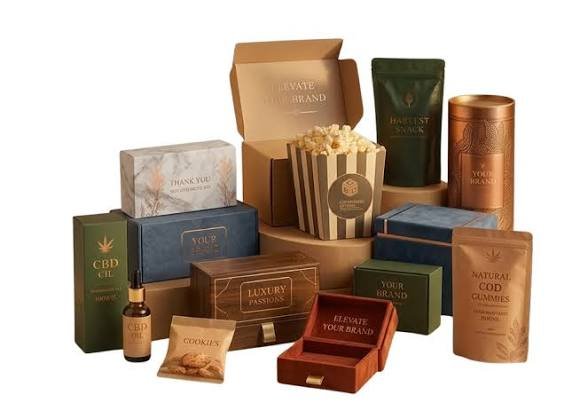
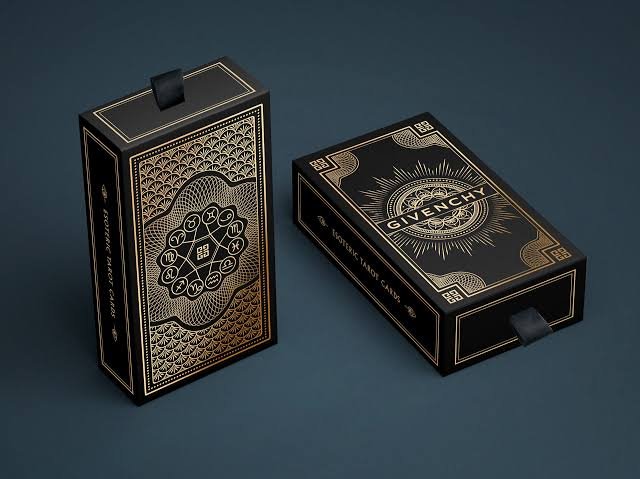
Premium packaging does more than protect a product. It creates a first impression, communicates brand quality, and helps customers recognize your products. Metallic finishes are a popular way to achieve this effect, especially for cosmetics, jewelry, perfumes, chocolates, and luxury gifts.
However, two techniques often create confusion: foil stamping and metallic printing. Both add shine, but they differ in appearance, production methods, cost, and design flexibility. Understanding these differences will help you choose the right finish for your packaging.
What Is Foil Stamping?
Foil stamping is a finishing process that transfers a thin layer of metallic or colored foil onto a packaging surface using heat, pressure, and a specially designed die.
Gold and silver are classic choices, but brands can also select copper, rose gold, holographic, and other specialty finishes.
One major advantage of foil stamping printing is its strong reflectivity. Unlike ordinary printed metallic colors, foil can produce a bright, mirror-like appearance that immediately attracts attention.
This technique works particularly well for logos, brand names, decorative borders, and small design elements. For example, a black jewelry box with a gold-foil logo can look sophisticated without requiring an elaborate design.
However, traditional foil stamping requires additional setup and tooling. Very fine details and large foil-covered areas may also need careful planning to achieve clean results.
What Is Metallic Printing?
Metallic printing uses specialized inks containing reflective pigments to create a shimmering effect. These inks are applied through printing processes rather than transferring a separate foil layer.
The result is usually a softer, more subtle shine than traditional foil stamping. Metallic printing also offers greater flexibility for incorporating gradients, intricate patterns, illustrations, and multiple colors.
For instance, a skincare brand might use metallic silver ink across a patterned carton to create a modern appearance while maintaining a consistent visual design.
Another advantage is cost. Metallic printing often avoids the custom die required for traditional hot foil stamping, making it an economical choice for many projects. However, specialty inks and additional printing requirements can still increase production costs.
Foil Stamping vs. Metallic Printing: Key Differences
The best choice depends on the finish you want and how your packaging will be used.
| Feature | Foil Stamping | Metallic Printing |
| Appearance | Bright, reflective shine | Softer metallic shimmer |
| Texture | May create a subtle impression | Generally smooth |
| Cost | Often higher setup costs | Often more budget-friendly |
| Design flexibility | Best for selected details | Excellent for patterns and gradients |
| Best applications | Logos, monograms, premium accents | Backgrounds, illustrations, decorative designs |
Neither technique is automatically better. Each serves a different purpose, and the right choice depends on your brand identity, artwork, quantity, and budget.
Which Finish Looks More Premium?
If your goal is to create a bold luxury appearance, foil stamping usually has the advantage. Its reflective surface catches light beautifully, helping logos and brand names stand out against matte, dark, or textured backgrounds.
This makes it particularly suitable for perfume boxes, premium gift packaging, and rigid jewelry boxes.
Metallic printing, meanwhile, creates a refined appearance without making every design element compete for attention. It works well for contemporary brands that prefer subtle elegance, detailed graphics, or coordinated colors.
Remember that premium packaging is not simply about adding more shine. A thoughtful combination of typography, material, color, and finishing often creates a stronger impression than an overly decorated box.
Which Option Is More Cost-Effective?
Budget is an important consideration, especially for small businesses launching new products.
Traditional foil stamping usually involves die production, setup, and an additional finishing step. These expenses can make short production runs relatively expensive. For larger orders, the setup cost may be distributed across more units, improving the per-box cost.
Metallic printing can be more economical because it often integrates with the regular printing process. It is particularly useful when metallic effects cover large areas or form part of a complex, multicolored design.
Still, prices vary according to packaging material, order quantity, artwork complexity, and supplier capabilities. Requesting quotations for both methods using the same specifications is the most reliable way to compare costs.
How to Choose the Right Finish for Your Brand
Before making a decision, consider these practical questions:
- What should customers notice first? Choose foil stamping for a prominent logo or metallic brand name.
- Does your design contain detailed artwork? Metallic printing may reproduce fine lines, gradients, and complex patterns more easily.
- What is your budget? Compare total setup costs and per-unit prices rather than looking at one expense alone.
- Which material will you use? Ask your supplier to confirm compatibility with your chosen paperboard, coating, or textured stock.
- How will customers handle the package? Request samples and test resistance to rubbing, scratching, and everyday handling.
These checks can prevent expensive production mistakes and help you achieve the appearance you expect.
Can You Combine Foil Stamping and Metallic Printing?
Absolutely! Combining both techniques can provide an attractive balance between visual impact and design flexibility.
For example, a cosmetic box could feature metallic ink in its background pattern and gold foil on the brand logo. The printed pattern adds depth, while the foil creates a clear focal point.
The key is moderation. Use each finish where it contributes something meaningful to the overall design.
Final Thoughts
So, which is better for premium packaging: foil stamping or metallic printing?
Foil stamping is generally the better choice for bold, highly reflective luxury accents, while metallic printing is often better for detailed artwork, subtle shimmer, and cost-conscious designs.
Before placing a bulk order, request physical samples, compare quotations, and check how each finish looks on your actual packaging material. The right decision will balance appearance, functionality, and cost while giving your brand a distinctive and professional presentation.
About the Author