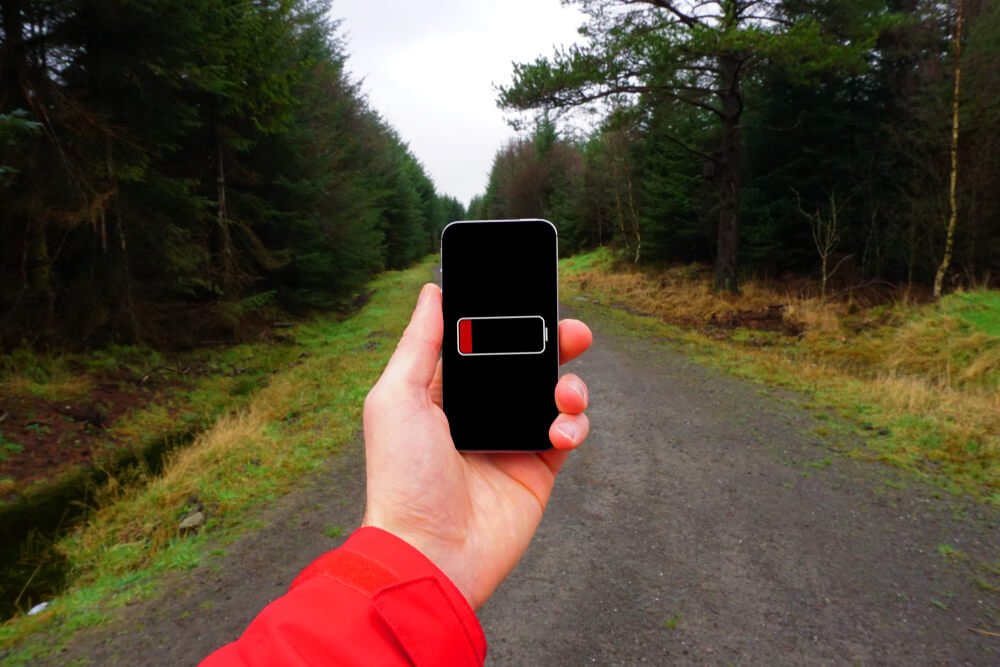
Phone Call Is Dead
Ofcom’s Communications Market Report, published in June 2026, recorded total fixed and mobile call volumes falling by 12 billion minutes — seven percent — to 164 billion minutes across 2025. Outgoing landline calls dropped 19 percent. Average outgoing mobile minutes per subscription fell to 146 a month.
Those numbers get read as a story about telecoms billing. They are better read as a story about a social norm that reversed inside one generation.
Thirty years ago, calling someone without warning was ordinary. Today it registers as an emergency. Nobody voted on this. It simply happened, and it happened for three separate reasons that are usually blurred together.
Lens one: the generational account
The familiar explanation is that younger people find calls intrusive, and there is something to it.
But the common framing — that they are avoidant or poor communicators — does not survive contact with the data. Ofcom found average outgoing messages per subscription falling by roughly a quarter, to 21 a month. Texting is declining faster than calling.
People are not retreating from conversation. They are abandoning the channels that were metered and counted, and moving to ones that are not.
The more precise generational claim is narrower: what changed is the expectation of availability. A landline rang in a house and anyone might answer. A mobile rings in a pocket, during a meeting, on a train, in a cinema. Calling it without notice is no longer a neutral act, because the recipient’s context is unknown.
Lens two: the attention account
The second explanation is economic, in the loose sense.
An unannounced call is a request for someone’s full attention, immediately, with no information about whether now is a reasonable time. It is the most expensive thing one person can ask of another in a single tap.
As the number of people who could plausibly contact you grew — colleagues across time zones, group chats, every service with your number — the cost of granting that request rose. The rational response is to stop granting it by default.
This also explains an otherwise puzzling finding: Ofcom research reported that only around a quarter of consumers will answer a call from an unrecognised UK mobile number. Spam volume made the default answer “no,” and once the default flipped, legitimate unannounced calls got caught in it too.
Lens three: the technical account
The third reason is the least discussed and probably the largest.
The calls did not disappear. They migrated. Ofcom’s analysis of call termination markets found that minutes on online communication services — WhatsApp, Teams and the rest — now exceed mobile and landline calls combined. Video call minutes on those services rose by six billion to 182 billion in a year. Voice minutes rose by 11 billion to 233 billion.
Set those figures against the 164 billion minutes left in the traditional network and the picture inverts. Conversation is not in decline. Metered telephony is.
And the migration carried a design change with it. App calls are scheduled far more often than phone calls ever were. The message that precedes them — “free in ten?” — is now the norm, and it functions as the knock on the door that mobile phones removed.
What actually replaced it
Three things took over the work the unannounced call used to do, and they are not equally good at it.
The group chat absorbed the logistics. It handles timing, links and arrangements efficiently, and handles nothing else. Twelve people in a thread produces two talkers and ten readers.
The voice note absorbed the short update. It is genuinely useful, asynchronous, and nobody has to be free at the same moment.
And the scheduled call absorbed the actual conversation. This is where the substance went. A videochat agreed in advance, with both people expecting it, now does the job that a spontaneous phone call did in 1995 — with the significant advantage that neither party is caught at a bad moment.
The format that works best is smaller than people assume. A 1v1 chat has no audience, which changes what gets said: pauses become thinking time rather than dead air, and an honest answer to “how are you” is possible because it is not simultaneously an announcement to nine other people.
What was genuinely lost
It is worth being honest that something went with the old norm.
Spontaneity is gone, and scheduling cannot fully replace it. The conversation that happened because somebody was bored on a Tuesday and dialled is now a conversation that requires at least one message of negotiation, and a share of them die in that negotiation.
The fix is unglamorous and well established among people who maintain long-distance friendships: convert the spontaneity into a standing slot. Same person, same time, movable but not quietly cancelled.
Twenty minutes a month, reliably, outperforms three hours once a year — and it is a reasonable trade for a norm that was never coming back.
About the Author