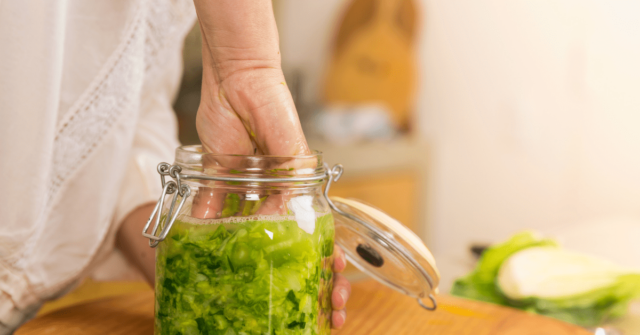
Making probiotic-rich foods at home might sound like the kind of project that requires a degree in microbiology. Fortunately, people have been fermenting food for thousands of years, long before anyone knew what a microorganism was. Fermentation uses naturally occurring microorganisms to transform everyday ingredients, creating distinctive flavors and textures.
Better yet, getting started doesn’t require a kitchen full of fancy gadgets. With a few basic ingredients, clean containers, and some patience, you can try everything from creamy homemade yogurt to tangy sauerkraut and crunchy fermented pickles.
Probiotics 101
Probiotics are live microorganisms found in certain foods and supplements. You’ve probably seen the word splashed across yogurt containers and supplement bottles, but probiotics aren’t all identical. Different foods and products can contain different microorganisms and strains.
That’s also why you’ll find products designed for specific uses, like URO Probiotics, alongside more general probiotic supplements. When it comes to food, fermented favorites such as yogurt, sauerkraut, kimchi, and some pickles may contain live cultures.
However, it’s important to note that “fermented” doesn’t automatically mean “probiotic.” Heat processing and pasteurization can kill live microorganisms, so check labels when buying fermented foods and avoid heating homemade ferments if you’re aiming to retain live cultures.
A Few Simple Ground Rules for Fermentation
Home fermentation is refreshingly low-tech. For many recipes, you’ll need clean glass jars, non-reactive utensils, fresh ingredients, salt, and perhaps a kitchen scale.
Cleanliness is important, but there’s no need to turn your kitchen into a sterile operating room. Wash your hands, equipment, and produce carefully, then follow a tested recipe with its recommended ingredient ratios, temperatures, and fermentation times.
For vegetable ferments, keeping ingredients submerged beneath the brine is often essential. And while bubbling, sour aromas, and changing textures can be normal, visible mold or a distinctly putrid smell are reasons to discard a batch. When in doubt, prioritize food safety over saving a jar of cabbage.
Homemade Yogurt
Yogurt is an approachable first fermentation project because the ingredient list can be remarkably short: milk and a starter containing live cultures. Typically, milk is heated, cooled to the temperature specified by your recipe, mixed with the starter, and kept warm while the cultures get to work.
Plain store-bought yogurt labeled as containing live cultures can often serve as a starter. Once chilled, your homemade yogurt is ready for breakfast or an anytime snack. Top it with berries, nuts, oats, or honey, and enjoy the small thrill of realizing that you just turned ordinary milk into a fresh batch of yogurt in your own kitchen.
Sauerkraut
If homemade yogurt is your gentle introduction to fermentation, sauerkraut is where things start getting satisfyingly hands-on. At its simplest, traditional sauerkraut requires only cabbage and salt. The salt draws moisture from the cabbage, creating a brine where fermentation can take place.
Start by shredding fresh cabbage, then massage it with the amount of salt specified in a tested recipe. After several minutes, the cabbage should soften and release liquid. Pack everything firmly into a clean jar, pressing out air pockets and ensuring the cabbage stays submerged in the brine.
Want to give your kraut some personality? Caraway seeds, garlic, or other recipe-approved seasonings can add extra flavor. Then comes the hardest part: waiting while fermentation turns humble cabbage into something wonderfully tangy.
Kimchi
Kimchi brings plenty of personality to fermentation. This Korean staple comes in wide varieties, but versions often combine napa cabbage or radish with garlic, ginger, scallions, and Korean red pepper flakes.
The exact preparation method depends on the recipe, so beginners should resist the temptation to freestyle too much. Fermentation relies on appropriate proportions of ingredients, salt, temperature, and time. Start with a reliable, tested recipe and follow its instructions carefully.
Once you’re comfortable with the process, you can explore different styles and flavor profiles. The result can be crunchy, tangy, spicy, savory, and complex.
Fermented Pickles
Not all pickles get their tang from vinegar. Naturally fermented pickles develop their characteristic sour flavor as cucumbers sit in a carefully prepared saltwater brine and microorganisms do their work.
Begin with fresh cucumbers and a tested brine recipe. Depending on the recipe, you might add dill, garlic, peppercorns, or mustard seeds for extra flavor. Keep the cucumbers submerged in the brine throughout fermentation, and follow the recipe’s guidance on temperature, timing, and storage.
Start Small and Let It Bubble
Home fermentation doesn’t have to become an elaborate hobby overnight. Pick one project, follow a trusted recipe, and learn how the process looks, smells, and changes over time.
Whether you begin with yogurt, sauerkraut, kimchi, or pickles, patience is part of the fun. Grab a clean jar, choose your first recipe, and let your microscopic kitchen helpers get to work. You may surprise yourself, too.
About the Author