Building a home involves a complex series of steps, materials, and technical standards. Every wall, electrical circuit, pipe, and air duct must work together to create a space that is structurally sound and safe for long-term living. Because residential construction relies on intricate trade practices, ensuring that every detail aligns with established building codes is an essential part of the process.
Across the housing industry, builders, home buyers, and lenders place immense trust in verified compliance standards. Having qualified experts evaluate a structure at key milestones gives everyone involved clear insight into the quality of the build. These thorough reviews protect home investments, prevent costly delays during financing, and uphold high safety standards across local communities.
Understanding Comprehensive Residential Code Inspections
In traditional construction projects, distinct specialists might look at individual parts of a building separately. While trade-specific checks are valuable, evaluating a home as an interconnected system offers a far complete picture. Residential construction requires structural integrity, efficient mechanical heating and cooling, safe electrical wiring, and reliable plumbing to operate seamlessly together.
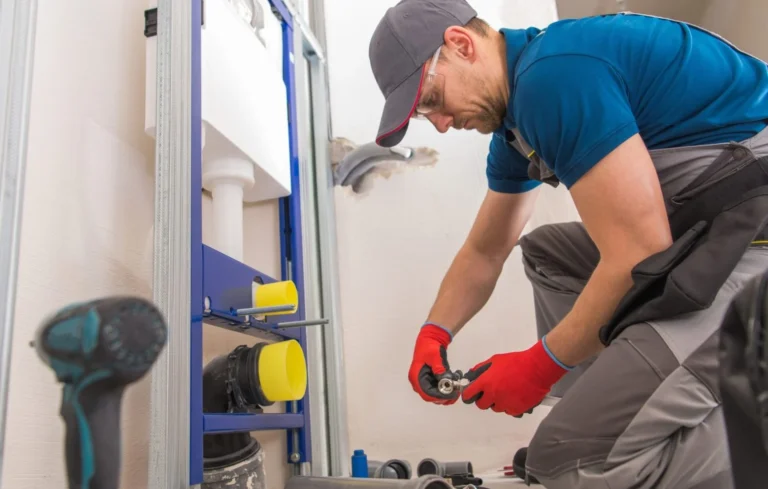
When an inspector carries verified credentials across all four primary disciplines—structural, electrical, plumbing, and mechanical—they bring an all-inclusive perspective to the site. This balanced oversight ensures that work done by one contractor does not inadvertently interfere with the work of another. For instance, ensuring that plumbing cutouts do not weaken structural framing or that electrical runs maintain proper clearances from HVAC ductwork requires an eye for the entire build.
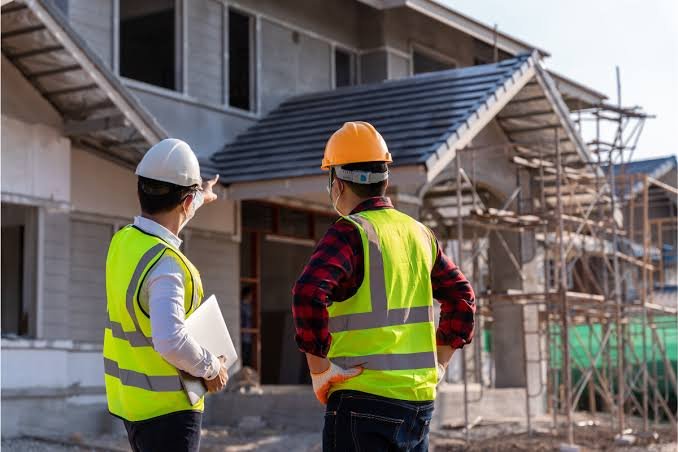
Through detailed visual reviews and standard reporting practices, dynamic site evaluations help identify potential discrepancies before walls are closed up or final documentation is submitted. This structured review process keeps projects moving forward smoothly while ensuring full compliance with international residential standards.
Supporting Financing and FHA Compliance Requirements
For many prospective buyers, securing a home loan involves meeting specific guidelines set by lending institutions and government-backed loan programs. Federal Housing Administration (FHA) financing, for example, requires rigorous checks to confirm that a property meets fundamental health, safety, and structural criteria.
During final compliance checks or major renovation reviews, lenders need assurances that the home is ready for safe occupancy. Standard documentation, such as official compliance reports, serves as tangible proof that major home systems comply with regulatory frameworks.
Working with ICC Inspectors streamlines this essential step for mortgage underwriters, loan processors, and builders alike. Because these professionals undergo extensive examination across multiple technical categories, their evaluation reports carry strong credibility within the lending community. Having a qualified expert handle these reviews helps prevent unexpected issues at the closing table, ensuring that documentation flows seamlessly from the site visit to final loan approval.
Bridging the Gap in Rural and Unincorporated Areas
While major suburban developments often fall under municipal department reviews, properties built in rural or unincorporated regions may experience inconsistent local oversight. Building a home outside city limits does not diminish the need for top-tier quality control and safety checks. In fact, third-party verification becomes even more critical when municipal resources are limited.
Independent inspection consulting agencies step in to fill these geographic gaps, bringing standard code compliance directly to job sites regardless of location. Whether a project is situated deep in a rural area or in a rapidly growing unincorporated subdivision, third-party reviews ensure that regional distance never compromises construction quality.
Having access to flexible, county-wide inspection services allows builders and property owners to maintain identical construction standards across all projects. This comprehensive reach ensures that every home, whether in a city center or a quiet rural setting, benefits from verified quality standards.
Clear Communication and Timely Documentation
In today’s fast-paced real estate and construction markets, timing is everything. Delays in obtaining reports can stall construction schedules, delay buyer move-in dates, or hold up financing payouts. Modern inspection practices prioritize both thoroughness and rapid turnaround times to keep projects on track.
Comprehensive reviews rely heavily on clear visual evidence. Utilizing photo documentation alongside written findings allows all parties—whether they are on-site contractors or remote loan processors—to understand the exact status of a property. When detailed inspection reports are delivered promptly, builders can quickly address any necessary adjustments, keeping the build schedule operating without interruption.
Furthermore, seamless coordination between service coordinators, site inspectors, contractors, and lenders creates a collaborative environment. Clear communication channels ensure that scheduling is simple, questions are answered directly, and all regulatory paperwork is submitted without hassle.
Long-Term Benefits for Homeowners and Builders
Investing in professional code compliance offers lasting advantages for everyone connected to a residential project. For home builders, third-party verification provides clear proof of workmanship, building a reputation for reliability and quality craftsmanship. It minimizes post-construction warranty calls and establishes a clear benchmark of performance.
For homeowners, knowing that a residence has undergone systematic checks offers true peace of mind. A well-inspected home guarantees that hidden elements—such as concealed wiring, load-bearing framing, supply piping, and ventilation design—meet safety parameters designed to protect families for decades.
As construction techniques evolve and building codes adapt to modern efficiency and safety standards, working with certified inspection professionals remains one of the best ways to safeguard residential investments. Through multi-disciplinary expertise, clear reporting, and dedicated service, independent inspection teams continue to raise the bar for housing quality across the industry.
About the Author