Your roof works harder than almost any other part of your home. It shields you from scorching summers, freezing winters, and the unpredictable storms that roll through the Midwest each year. Yet most homeowners only think about their roof when something goes wrong — a leak, a missing shingle, or a sagging ceiling tile that signals bigger trouble underneath.
The truth is, catching roofing issues early can save you thousands of dollars and years of headaches. A proactive approach, rather than a reactive one, is what separates homeowners who deal with minor repairs from those who face full roof replacements.
That’s where a professional roof inspection comes in. Whether your home is brand new or has weathered a few decades of Kansas City seasons, understanding what an inspection involves — and why it matters — can help you protect one of your biggest investments.
What Happens During a Professional Roof Inspection?
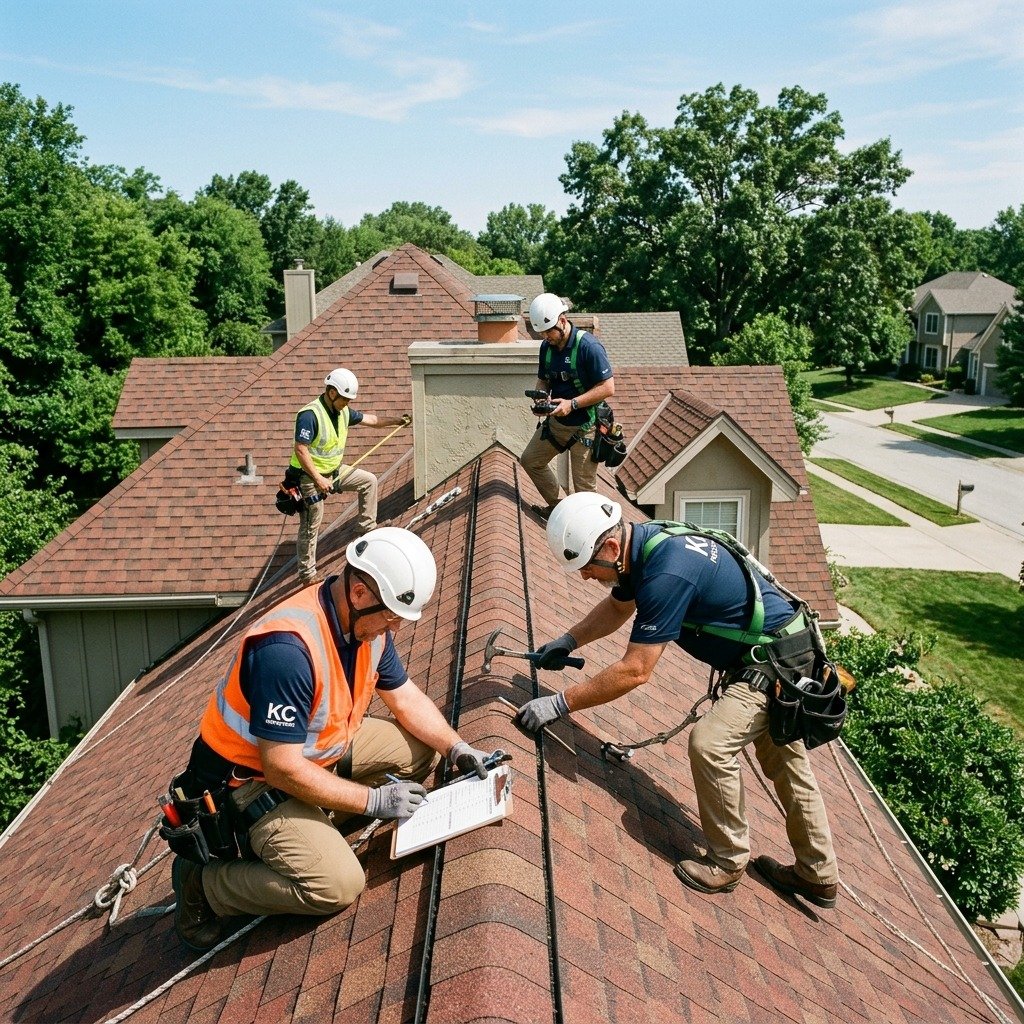
A thorough roof inspection goes far beyond a quick glance from the ground. Trained professionals examine every visible component of your roofing system, both inside and out.
On the exterior, inspectors check for:
- Cracked, curling, or missing shingles
- Damaged flashing around chimneys, vents, and skylights
- Signs of granule loss or wear on shingle surfaces
- Clogged or damaged gutters and downspouts
- Moss, algae, or debris buildup
Inside the home, inspectors typically look at the attic for water stains, mold growth, inadequate ventilation, and signs of daylight coming through the roof deck. These details often reveal problems long before they become visible from the street.
How Long Does a Roof Inspection Take?
Most residential roof inspections take between 45 minutes and two hours, depending on the size of the home and the extent of any existing damage. A written report typically follows, outlining findings and any recommended repairs.
Signs Your Kansas City Home Needs a Roof Check-Up
Kansas City’s climate is no stranger to extremes. Hailstorms, high winds, heavy snow, and humid summers all take a toll on roofing materials over time. Homeowners should watch for a few telltale signs that it’s time to schedule an inspection:
- Recent severe weather. Hailstorms and high winds are two of the most common causes of roof damage in the region.
- Visible shingle damage. Curling, cracking, or missing shingles are easy to spot from the ground with a pair of binoculars.
- Water stains on ceilings or walls. This often indicates a leak that’s already made its way into the home’s structure.
- Rising energy bills. Poor attic ventilation or insulation gaps caused by roof damage can force your HVAC system to work harder.
- An aging roof. Most asphalt shingle roofs last between 20 and 30 years, so older roofs deserve closer attention.
Spotting these signs early gives homeowners the chance to address minor issues before they turn into major, costly repairs.
How Often Should You Schedule a Roof Inspection?
Most roofing professionals recommend an inspection at least once a year, ideally in the spring or fall. These seasons allow homeowners to prepare for the extreme temperatures and storms that summer and winter bring.
Beyond annual check-ups, it’s wise to schedule an inspection after any major weather event, such as a hailstorm or high-wind advisory. Insurance companies often require documented proof of damage shortly after a storm, so timely inspections can also strengthen any potential insurance claims.
Homeowners preparing to sell their property should also consider a roof inspection as part of the pre-listing process. A clean bill of health on your roof can be a strong selling point, while unresolved damage can slow down negotiations or lower your home’s value.
Why Homeowners Trust Bumble Roofing of Greater Kansas City
Roof Inspection provides the proactive care needed to identify hidden roof damage before it leads to expensive interior repairs, giving homeowners greater confidence in the condition of their property. Every inspection is conducted with the same level of care and attention to detail, regardless of the size of the home or the age of the roof.
Our team combines local expertise with a genuine commitment to honest, transparent service. We understand the unique challenges Kansas City weather presents, and we tailor every inspection to reflect that knowledge. From identifying storm damage to spotting early signs of wear, our inspectors provide homeowners with clear, actionable reports — no confusing jargon, no upselling unnecessary repairs.
Customers choose Bumble Roofing of Greater Kansas City because we prioritize long-term relationships over one-time transactions. Many of our clients return year after year for routine maintenance, trusting us to keep their homes protected through every season.
Protect Your Home Before Small Problems Become Big Ones
A roof in good condition does more than keep the rain out. It protects your family, preserves your home’s value, and helps you avoid the financial stress of emergency repairs. Waiting until a leak appears is often the most expensive way to handle roof maintenance.
Scheduling a routine inspection is a simple, affordable step that pays off in the long run. If it’s been more than a year since your last check-up — or if your home has recently weathered a storm — now is a great time to have your roof professionally assessed.
Bumble Roofing of Greater Kansas City is ready to help homeowners across the metro keep their roofs in top shape, season after season.
Frequently Asked Questions
How much does a roof inspection cost?
Many roofing companies, including Bumble Roofing of Greater Kansas City, offer free or low-cost inspections, especially after severe weather events. Costs can vary depending on the size and complexity of the roof.
Can I inspect my own roof?
Homeowners can perform a basic visual check from the ground, but climbing onto the roof without proper safety equipment is not recommended. Professional inspectors have the training and tools to identify issues that aren’t visible from below.
Will a roof inspection help with an insurance claim?
Yes. A documented inspection report can serve as valuable evidence when filing a claim for storm or wind damage, helping to speed up the approval process.
What happens if damage is found during an inspection?
Your inspector will provide a detailed report outlining the issues found, along with recommended next steps, whether that’s a minor repair, a maintenance plan, or a full roof replacement.
About the Author