Humidity and Upholstery
The Air You Can Wear
Some summers don’t just feel hot. They feel wet. Step outside and the air settles on the skin like a damp towel. Step back inside and, even with the AC running, the couch feels a little clammy by evening.
That moisture doesn’t stay in the air. It moves into everything soft in the house, and upholstery soaks it up first. Anyone who books upholstery cleaning charlotte nc crews in late summer knows the pattern well: sofas that looked fine in spring start showing darker armrests, a faint musty smell and dirt that seems to stick harder than before. Humidity didn’t create the dirt. It changed how the dirt behaves.
Ralph Waldo Emerson advised, “Adopt the pace of nature: her secret is patience.” Nature’s pace in a humid summer is slow, sticky and persistent. Fabric reacts the same way.
Why Damp Air Makes Fabric Dirtier
Sweat and skin oils stay put
In dry air, a little sweat evaporates quickly. In humid air, it lingers on skin and transfers to whatever someone leans against. Body oils mix with that moisture and settle into fabric fibers, especially on armrests, headrests and seat cushions.
Those oils act like glue. Dust, pet dander and everyday grime cling to them, and over a few months a light-colored sofa starts to look a shade darker where people actually sit.
Fibers swell and hold on
Natural fibers like cotton, linen and wool absorb moisture from the air. Swollen fibers trap fine particles more readily. Synthetic fabrics absorb less, but humidity still helps oily soil spread across their surface.
Smells travel better
Odors are carried by moisture. On a humid day, the same couch that smelled neutral in winter can release a faint mix of old spills, pet scent and body odor. Nothing new happened. The air just made it noticeable.
The Mold and Mildew Question
Here’s where humidity moves from annoying to genuinely concerning.
The EPA recommends keeping indoor humidity between 30 and 50 percent, and below 60 percent at most. Above that range, mold and mildew get comfortable. Upholstered furniture, with its foam, padding and dense fabric, offers plenty of dark, slightly damp space for spores to settle.
Signs worth watching for:
- a musty smell that gets stronger on damp days
- small gray, green or black spots, often on the back or underside
- cushions that feel cool and damp without any spill
- fabric that stays slightly sticky to the touch
- allergy symptoms that get worse when sitting on one particular piece
Dust mites also love humidity. They thrive in warm, moist conditions, and upholstered furniture is one of their favorite homes alongside mattresses and carpets.
Furniture Placement Matters More Than It Seems
A sofa pushed tight against an exterior wall gets less airflow and sometimes picks up condensation from a cooler surface. Pieces near patio doors, in basements or in sunrooms see more moisture than those in the middle of an air-conditioned room.
Leaving a few inches between furniture and walls lets air circulate behind it. It’s a tiny change that keeps the back panel from turning into a damp, forgotten zone.
A Summer Routine for Upholstery
Humid months call for a slightly different rhythm:
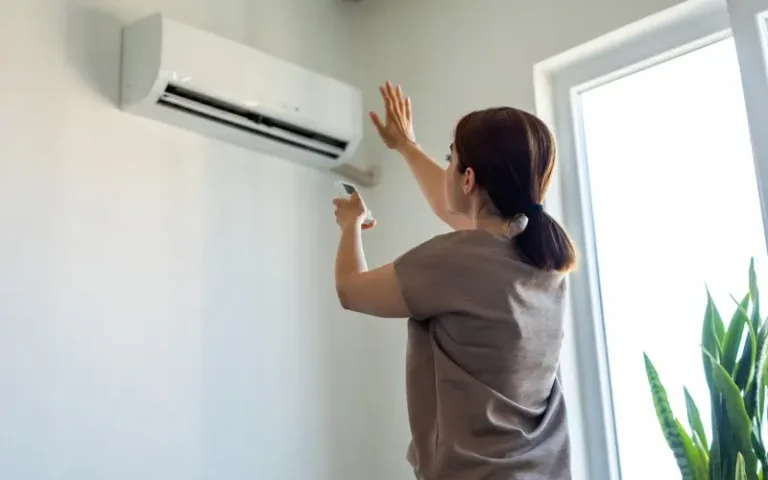
- Run a dehumidifier or AC with a dry mode to keep indoor humidity in a reasonable range.
- Vacuum upholstery weekly with a brush attachment to remove dust before it binds with oils.
- Wipe or vacuum high-contact zones like armrests and headrests more often.
- Pull cushions out occasionally and let them breathe, especially after humid weeks.
- Blot any spill immediately and dry the area thoroughly with a fan.
- Schedule a professional cleaning at the end of summer to remove built-up oils and odors.
That last step works almost like a reset. Removing the summer’s oils before fall means the fabric enters the drier months clean instead of carrying a season of residue.
The Drying Problem
Cleaning upholstery in humid weather has its own challenge: drying. Any fabric that gets wet, whether from a spill or a DIY cleaning attempt, takes longer to dry when the air is already full of moisture. And slow drying is exactly what leads to water rings, odors and mildew.
Professionals deal with this by using low-moisture methods, powerful extraction that removes most of the water, and air movers to speed drying. At home, the lesson is simple: use as little liquid as possible, and never leave cushions damp overnight.
Living With the Weather
John Ruskin is often credited with saying there’s no such thing as bad weather, only different kinds of good weather. Upholstery might disagree on the stickiest days of August.
Still, humidity doesn’t have to win. A dehumidifier, a weekly vacuum, a bit of airflow and one well-timed deep clean keep fabric furniture fresh straight through the muggiest months. The air outside might stay thick. The couch doesn’t have to.
About the Author