Moving a sofa across the room can reveal more than a new layout.
The floor underneath may be a different shade from the exposed area. A strip of dust can appear along the baseboard. Pet hair may have collected behind the furniture, while small objects have rolled into places nobody could reach.
Rearranging a room changes access.
Areas hidden for months or years suddenly become visible, while other sections of the floor are covered for the first time. That makes furniture movement a useful trigger for changing the cleaning plan rather than simply pushing everything into its new position and continuing as usual.
A room that has been rearranged needs a short reset of the surfaces that have just entered or left the furniture shadow.
Start With the Floor That Was Hidden
The most obvious change usually appears beneath large furniture.
Beds, sofas, cabinets, bookcases, and dressers can cover substantial sections of flooring. Even when vacuum attachments reach partly underneath, the deepest areas may receive less attention than open floor space.
Once the furniture moves, inspect the entire footprint.
Look for:
- Dust
- Hair
- Crumbs
- Small objects
- Debris along edges
- Marks where furniture feet stood
- Differences between covered and exposed flooring
Do not assume every visible difference is dirt.
Flooring protected from sunlight and foot traffic can age differently from the surrounding area. Clean it according to the material first, then judge what remains.
Baseboards Become Accessible Again
Large furniture often blocks more than the floor.
A sofa or dresser positioned against a wall may hide several feet of baseboard. Dust can settle along the top edge, while hair and debris collect where the baseboard meets the floor.
When the piece is moved, this is one of the easiest times to clean that strip thoroughly.
There is little sense in placing the furniture back before dealing with the newly exposed edge.
The same applies to corners.
A corner hidden behind a cabinet may have gone untouched simply because no cleaning tool could reach it comfortably.
Rearranging Creates a Temporary Deep-Cleaning Window
Furniture movement is one of the rare moments when access improves without anyone having to move items solely for cleaning.
Take advantage of it.
If a room is already being changed, the extra effort needed to vacuum a newly exposed area, wipe a baseboard, or check the wall behind a cabinet is relatively small.
This is different from scheduling an entire deep clean.
The work is tied directly to the access created by the rearrangement.
For rooms undergoing a larger reset, house cleaning services nj may be useful at the point when furniture has been pulled away from walls and normally hidden floor edges, baseboards, and corners are finally reachable before the new layout closes some of those areas again.
The timing matters because that access may disappear as soon as the furniture settles into its new position.
Check the Wall Before Covering It Again
The wall behind a large piece can tell its own story.
Look for dust, cobwebs, scuffing, or marks where furniture touched the paint.
Some discoloration may simply reflect the fact that the covered section received less light.
Other marks may come from repeated contact with the furniture.
Wipe only with methods suitable for the wall finish.
Aggressive scrubbing can damage paint, especially on certain finishes.
The goal is to clean the accessible area, not turn furniture rearrangement into an unplanned wall-restoration project.
Vacuum Before the Furniture Reaches Its New Position
A common mistake is moving furniture into the new layout and then cleaning around it.
That wastes the best access opportunity.
Clean the open floor first.
If a sofa is moving from one wall to another, vacuum both its old footprint and the area where it will soon sit.
The new location may currently be easy to reach, but once the sofa is in place, parts of it may become difficult again.
Think one step ahead.
Clean the surface before it becomes another hidden zone.
Furniture Itself May Need Attention Too
The floor is only half of the rearrangement.
Moving furniture exposes sides and backs that are normally against walls.
Dust can collect on the rear of shelving, headboards, cabinets, and upholstered pieces.
Sofa skirts and lower edges may also show hair or lint that was difficult to see previously.
Use the move as a chance to inspect those surfaces.
There is no need to clean every inch of every item simply because it has been shifted.
Focus on the sections that were inaccessible before.
Rugs Leave Their Own Footprints
Moving a rug can expose a clear boundary between covered and uncovered flooring.
Dust and fine debris may accumulate along the edges. Material can also collect underneath, depending on the rug, flooring, and level of traffic.
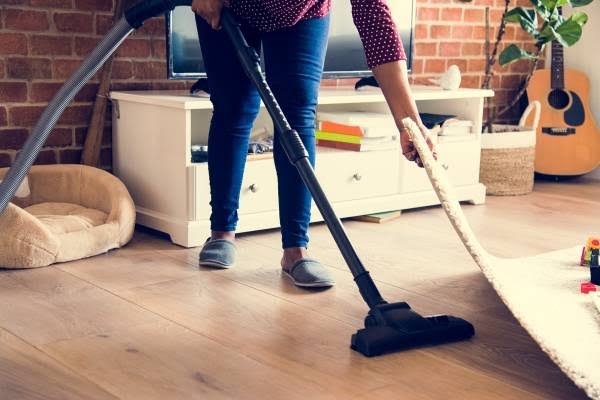
Vacuum the exposed floor before placing the rug somewhere else.
If the rug itself is being relocated, check both sides according to the care instructions for that material.
This is also a good time to inspect rug pads.
A pad can shift, bunch, or trap debris along its edges without being obvious during ordinary cleaning.
New Furniture Positions Create New Debris Patterns
Rearranging changes more than appearance.
It changes how people move through the room.
A sofa placed closer to a doorway may create a new high-traffic edge. A dining table moved nearer the kitchen may concentrate crumbs in a different part of the floor. A pet may choose a new sleeping position after a chair is relocated.
Give the new arrangement a little time, then observe where debris starts collecting.
The cleaning pattern that worked before may no longer match the room.
A new layout deserves a new map.
Watch for Narrow Gaps
Furniture placement can accidentally create awkward cleaning spaces.
A cabinet positioned three inches from a wall may leave enough room for dust to enter but not enough for a normal vacuum head.
A sofa placed very close to another piece can create a similar trap.
Before finalizing the arrangement, check whether the new gaps are actually maintainable.
Sometimes shifting a piece slightly creates enough clearance for a narrow tool.
Other times, placing it closer to the wall eliminates an unnecessary dirt-catching channel.
Good layout and practical cleaning access can support each other.
Do Not Ignore the Old Furniture Footprints
After a piece moves, the place where it stood may continue to look different.
Furniture feet can leave impressions in carpet. Hard flooring may show protected areas with less wear or light exposure.
Cleaning can remove debris, but it cannot always erase normal material differences.
This is worth recognizing before repeated scrubbing begins.
If a mark remains after appropriate cleaning, it may be wear, fading, or compression rather than residue.
Knowing the difference prevents unnecessary work.
Recheck Air Vents and Outlets
Furniture changes can affect access to nearby features.
A dresser may have hidden an electrical outlet. A sofa might have partly blocked a floor or wall vent. Moving the piece can expose dust around those areas.
Inspect them before the new arrangement is complete.
Do not place furniture where it interferes with equipment that needs clear access or airflow.
The cleaning reset is a good time to notice these relationships because everything is already in motion.
Finish With the New Traffic Path
Once the furniture is in place, walk through the room normally.
Notice how the route has changed.
Do people now pass closer to one wall? Does a chair sit beside the main doorway? Has the path between the sofa and table become narrower?
Those changes predict where future cleaning pressure may develop.
The new layout is not finished from a maintenance perspective until the movement through it makes sense.
Let Furniture Movement Reset the Cleaning Map
Rearranging a room is more than a decorating exercise.
It exposes hidden floors, baseboards, wall sections, furniture backs, rug edges, and corners that may have been difficult to reach for months.
Those temporary openings are worth using before they disappear again.
Clean the old footprint, prepare the new one, and pay attention to the gaps and walking routes created by the new layout.
Then update the routine to match the room as it exists now.
Furniture determines where people sit and walk.
It also determines where dust gets to hide.
About the Author