Summer heat has a way of testing every weak point in a home’s cooling system. A unit that struggled last July often fails outright by August, leaving families scrambling for same-day repairs during the busiest season of the year. The good news? Most of these emergencies are preventable with the right equipment, sized and installed correctly from the start.
At Guardian Home Experts – Heating, Air, Plumbing, Electrical, we’ve seen firsthand how much of a difference proper installation makes. A high-efficiency air conditioner installed incorrectly can perform worse than an older, well-installed unit. That’s why getting the details right matters just as much as choosing a quality brand.
This post breaks down what goes into a reliable AC installation, the warning signs your current system needs replacing, and how a properly installed unit can lower your energy bills for years to come.
What Makes an AC Installation Successful?
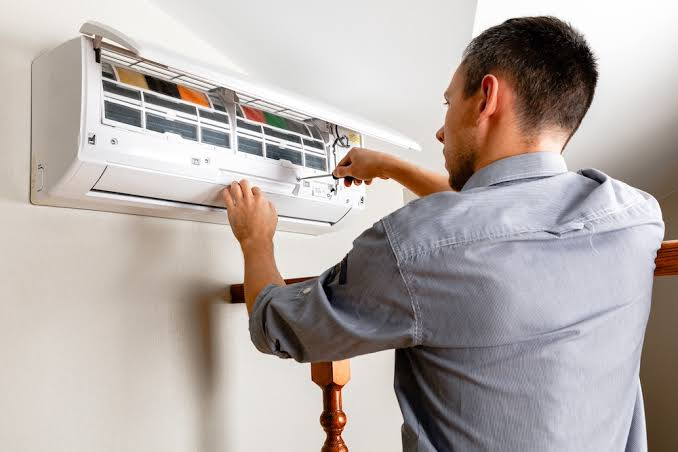
A successful installation goes far beyond mounting a unit and connecting a few wires. It requires precise calculations, careful ductwork inspection, and attention to details that many homeowners never see.
Here’s what a thorough installation process typically includes:
- Load calculations: Technicians measure your home’s square footage, insulation quality, window placement, and sun exposure to determine the exact cooling capacity needed. An oversized unit cycles on and off too frequently, wearing out components faster. An undersized unit runs constantly and still can’t keep up on the hottest days.
- Ductwork evaluation: Leaky or poorly sealed ducts can waste a significant portion of cooled air before it ever reaches your living spaces. Sealing and insulating ducts during installation helps the new system perform as intended.
- Refrigerant charge verification: Even a slightly incorrect refrigerant level can reduce efficiency and shorten the lifespan of the compressor.
- Electrical and thermostat setup: Proper wiring and thermostat calibration ensure the system responds accurately to your comfort settings.
Skipping any of these steps often leads to higher energy bills, uneven cooling between rooms, and premature equipment failure.
Signs Your Home Needs a New Air Conditioner
Not every cooling problem calls for a full system replacement, but certain signs point to a unit nearing the end of its useful life:
- Rising energy bills without a change in usage habits, which often indicates declining efficiency.
- Frequent repairs, especially if the unit is more than 10 years old.
- Inconsistent temperatures from room to room, despite a properly set thermostat.
- Excess humidity indoors, since a struggling system can’t dehumidify the air effectively.
- Unusual noises, such as grinding, rattling, or squealing, which often signal mechanical wear.
If two or more of these sound familiar, it’s worth having a technician assess whether repair or replacement makes more financial sense.
How Energy-Efficient Systems Lower Long-Term Costs
Modern air conditioners are built with efficiency ratings far beyond what was standard even a decade ago. Systems with higher SEER2 ratings use less energy to produce the same cooling output, which translates directly into lower monthly utility bills.
Beyond the equipment itself, efficiency also depends on proper sizing and installation quality. A correctly sized, properly installed unit reaches your desired temperature faster and cycles less frequently, reducing wear on internal components while keeping energy consumption in check.
Homeowners who upgrade from older units often notice the difference within the first billing cycle. Combined with programmable thermostats and regular maintenance, an efficient system can meaningfully reduce the total cost of cooling your home over its lifespan.
Why Timing Matters When Replacing Your AC
Scheduling a replacement before your system fails completely gives you far more control over the process. Waiting until the height of summer often means longer appointment wait times, limited equipment availability, and the discomfort of living without cooling during peak heat.
Spring and early summer tend to be ideal windows for installation. Technicians have more flexibility in their schedules, and homeowners avoid the stress of an emergency breakdown during a heatwave. Planning ahead also allows time to compare options, ask questions, and choose a system that fits both your home’s needs and your budget.
What to Expect From a Professional Installation
AC installations that are sized correctly and completed with attention to detail can mean the difference between a cooling system that lasts 15 years and one that struggles after five. Our technicians at Guardian Home Experts walk through every step of the process with homeowners, from initial load calculations to final system testing, so there are no surprises along the way.
We also stand behind our work with clear warranties and follow-up support, giving you confidence that your investment is protected. Whether you’re replacing an aging unit or cooling a new addition to your home, our team focuses on getting the details right the first time.
Ready for Reliable Cooling This Season?
A well-installed air conditioner does more than lower your thermostat. It protects your comfort, your energy bills, and your peace of mind for years to come. If your current system is showing signs of age or struggling to keep up, now is the time to explore your options before temperatures climb further.
Guardian Home Experts – Heating, Air, Plumbing, Electrical is ready to help you find the right system for your home and get it installed with the precision it deserves. Reach out to our team today to schedule an assessment and take the first step toward a cooler, more efficient home.
About the Author