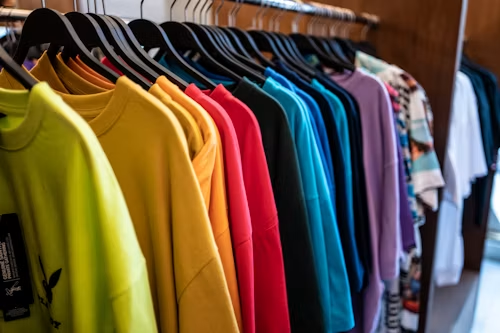
Acquiring inventory for an apparel line, corporate program, or retail store involves far more than browsing a catalog and picking attractive colors. Sourcing Wholesale Sweatshirts requires a thorough evaluation of raw materials, seam engineering, and dye processes. Making smart inventory choices early prevents customer returns, decoration issues, and wasted capital.
A durable base garment forms the foundation of every successful clothing program. Knowing how to analyze garment specs helps buyers secure dependable inventory that performs reliably across every production run.
Evaluating Fabric Construction and Material Weight
Garment longevity begins at the fiber level. Understanding textile weights and yarn spinning methods allows inventory planners to select pieces suited for specific seasons and wear patterns.
Apparel weight is measured in ounces per square yard or grams per square meter (GSM). A lightweight pullover works well for indoor transitional seasons, whereas a heavy fleece option delivers warmth and a structured silhouette.
Checking fabric specs before buying ensures your blank matches customer expectations for daily wear.
Yarn Quality and Surface Texture
The method used to spin raw cotton determines the smoothness of the fabric face. Standard open-end yarn leaves tiny fiber ends sticking out, resulting in a rough surface that pills easily after a few cycles through a washing machine.
Combed and ring-spun cotton yarns pass through fine combs to pull away short fibers and align the remaining strands. This process creates a dense, clean surface that feels soft against the skin and prevents excess lint from interfering with screen print ink adhesion.
Choosing ring-spun blanks ensures that graphics cure evenly while giving the customer a soft hand right out of the box.
The Character of Garment-Dyed Blanks
Standard wholesale fleece is piece-dyed, meaning massive rolls of fabric are dyed before panels are cut and assembled. This process yields uniform, solid color across every seam and hemline.
Garment-dyed apparel flips that sequence: blank garments are cut, sewn, and then washed in dye vats. A staple piece like a Comfort Colors Sweatshirt undergoes this garment-dye method, resulting in subtle color variations around the collar, cuffs, and hem along with virtually zero post-purchase shrinkage.
This relaxed, vintage aesthetic adds immediate character to lifestyle merchandise and private apparel collections.
Seam Construction and Structural Detailing
A sweatshirt faces physical strain along the neck opening, armholes, and waistband every time a person pulls it on. Poorly sewn seams pop under tension, ruining an otherwise solid garment.
Inspecting raw construction details helps you spot low-quality blanks before committing to large inventory volumes.
Checking Ribbing and Spandex Blends
Cuffs and waistbands that stretch out and lose their elasticity leave garments looking worn out after a single afternoon. Look for rib trim knit with a small percentage of spandex or elastane.
Spandex memory allows the wrist cuff to expand when pulled over hands and snap right back against the wrist without sagging.
Double-needle topstitching along the neckline and shoulder seams prevents seam allowances from rolling inside the collar, keeping the neck opening flat through regular laundering.
Side-Seamed vs. Tubular Construction
Tubular sweatshirts are knit as continuous fabric cylinders with no side seams running down the torso. While tubular construction costs less to manufacture, it provides little body contouring and can twist sideways if tension is uneven during spinning.
Side-seamed construction uses tailored front and back panels stitched together along the ribs. This design offers a better anatomical fit and prevents the garment from torquing off-center in the wash.
For premium retail lines and upscale custom garments, side-seamed blanks deliver a noticeably better fit on the rack.
Sourcing Protocols with Sweatshirt Suppliers
Building a smooth supply chain requires clear operational agreements with wholesale distributors. Supply delays leave print shops idle and create bottlenecks across fulfillment lines.
Working with dependable wholesale apparel distributors keeps production running predictably.
Assessing Inventory Depth and Warehouse Locations
Before choosing a blank, review your supplier’s inventory counts across primary warehouses. A supplier with multiple distribution centers can ship replacements fast if local stock runs out.
Sourcing blanks through reliable channels like simplstcapparel guarantees clear inventory data, accurate tracking details, and minimal handling delays between orders.
Relying on clear supply chains prevents you from having to mix different dye lots or scramble for emergency substitutions during peak seasons.
Ordering Pre-Production Samples
Never order hundreds of pieces based entirely on a digital mockup or catalog image. Always order a blank sample run across your planned size range to test fabric quality in person.
Put sample garments through three standard hot-water wash and high-heat dry cycles. Measure torso length, chest width, and sleeve reach before and after washing to check real-world shrinkage.
Checking samples gives you hard data on how the garment holds up before sending bulk clothing orders to your decorating facility.
Smart Sourcing Builds Sustainable Apparel Programs
Securing reliable wholesale sweatshirts requires close attention to yarn spinning, fabric weight, and construction details. Skipping those fundamental checks leads to frayed cuffs, shrunken hems, and disappointed customers.
Taking the time to evaluate fabric specifications and partner with steady sweatshirt suppliers ensures your custom apparel looks sharp, holds up to regular wear, and protects your brand’s reputation for quality.
About the Author