Securing a business property requires far more than handing out physical keys and hoping for the best. Keys can easily be misplaced, duplicated without permission, or lost entirely when an employee moves on to another job. Modern operations need a dynamic way to control who enters specific doors, track entry times, and restrict access to sensitive departments. Implementing Commercial Access Control Systems provides facility owners and operations managers with the necessary tools to safeguard physical assets, maintain safety, and manage staff movements efficiently.
A well-structured security setup does much more than lock doors. It establishes a complete layer of operational oversight, allowing administrators to grant or revoke entry permissions instantly without needing to rekey an entire building. By taking advantage of tailored solutions that combine digital hardware with flexible management tools, businesses across various industries can secure their infrastructure while keeping daily workflows running smoothly.
Smart Electronic Locking and Entry Hardware
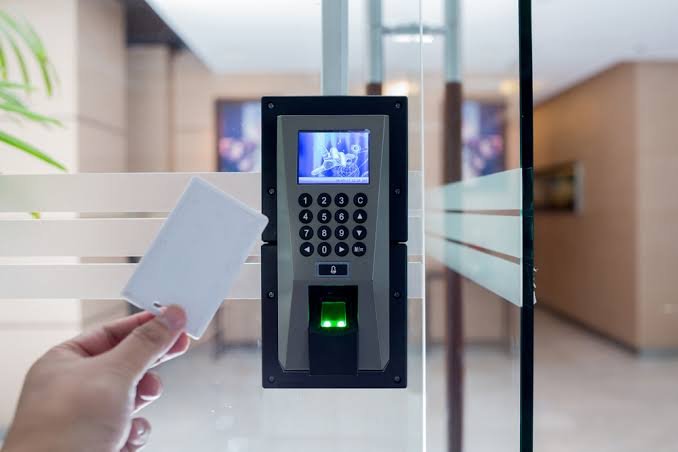
The primary foundation of any access solution starts directly at the entry points of your building. Electronic locks form the physical backbone of secure access, replacing traditional mechanical deadbolts with modern digital latching mechanisms. These hardware installations interface directly with management software, providing instant feedback on whether a door is locked, unlocked, or held open longer than permitted.
When dealing with high-traffic areas or perimeter vehicle entrances, specialized entry hardware keeps movement orderly and authorized. Barrier arms manage parking structures and loading zones, ensuring that vehicle entry aligns with authorized schedules. On the pedestrian side, turnstiles control foot traffic in office lobbies, warehouses, and industrial campuses. Integrating high-quality locking mechanisms and entry barriers guarantees that physical security remains uncompromised while allowing authorized personnel to move through key check-points effortlessly.
Flexible Digital Credentials for Modern Teams
Moving away from physical keys requires reliable credential technology that matches how teams work today. Traditional access cards remain a staple for many organizations due to their reliability and ease of issuance. Employees simply tap or wave their card near a reader to unlock doors designated for their access level. Administrators can program cards for specific time windows, restrict access to high-security areas like server rooms, and revoke access instantly if a credential goes missing.
As workplaces evolve, mobile credentials offer a convenient alternative that transforms smartphones into secure digital keys. Employees can unlock doors using secure mobile applications, eliminating the need to carry separate physical badges. Mobile credentials streamline onboarding and lower administrative costs, making entry smooth for employees who already rely on their phones throughout the workday.
Advanced Visitor and Perimeter Management
Managing regular employees is only one side of facility safety; tracking guests, contractors, and delivery personnel is equally critical. Integrating intercom systems at exterior entrances allows staff to communicate clearly with visitors via audio or video before granting entry. Intercoms give front desk staff or remote administrators the power to confirm a visitor’s identity and remotely unlock entry doors with a single click.
To streamline guest intake further, visitor management software and automated kiosks create a professional check-in process. Guests can scan identification, log their details, and receive temporary badges upon arrival. This automated workflow keeps an accurate record of everyone on site, helping businesses fulfill safety protocols while delivering a smooth experience for visiting clients.
Centralized Software, Monitoring, and System Integrations
Hardware functions at its best when paired with intuitive management software. Modern control software brings every doorway, barrier, and user credential into a single, centralized dashboard. Administrators can view real-time logs, lock down an entire facility during emergency situations, and generate detailed time and attendance records. Remote capabilities allow management teams to grant access or review activity logs from off-site locations at any hour.
Comprehensive security relies heavily on high-level system integrations. Integrating access software with CCTV camera networks and security alarms creates a unified protection network. For instance, if an unauthorized entry attempt occurs, connected surveillance systems can immediately direct nearby cameras to record the event and alert security personnel. Combining hardware, software, and real-time monitoring builds a robust defense system that adapts to the growing demands of modern commercial properties.