Summer heat has a way of exposing every weakness in a home’s cooling system. A unit that struggled last year will struggle even more this year, and homeowners who put off replacing an aging system often find themselves scrambling during the hottest week of the season. The good news? A well-planned upgrade doesn’t have to be stressful, and it can transform how comfortable your home feels for years to come.
Cooling technology has come a long way. Modern systems run quieter, use less energy, and cool spaces more evenly than the units many of us grew up with. But getting those benefits depends almost entirely on how the system is installed. A mismatched unit, poor ductwork connections, or incorrect refrigerant levels can turn a promising new system into a source of constant frustration. That’s why the process matters just as much as the equipment itself.
Why Does Proper Sizing Matter So Much?
One of the most common mistakes homeowners run into is ending up with a system that’s the wrong size for their space. A unit that’s too small will run constantly, straining to keep up with demand. One that’s too large will cycle on and off too frequently, leading to uneven temperatures and unnecessary wear on components.
Correct sizing depends on several factors:
- Square footage of the home
- Ceiling height and window placement
- Insulation quality
- Local climate patterns
- Number of occupants and daily usage habits
A trained technician calculates these variables using a load calculation, rather than guessing based on the size of the old unit. This step alone can make the difference between a system that runs efficiently for fifteen years and one that needs constant repairs after just a few.
How Does Ductwork Affect Cooling Performance?
Even the best cooling equipment can’t perform well if the ductwork pushing air through your home is leaky, poorly sealed, or improperly sized. Air that escapes through gaps in the ducts never reaches the rooms it’s meant to cool, which means your system works harder while your living spaces stay warmer than they should.
Before a new unit goes in, it’s worth having the existing ductwork inspected. Sealing leaks, insulating exposed sections, and confirming that airflow is balanced across every room can noticeably improve comfort levels. Skipping this step is one of the most overlooked ways homeowners lose out on the full value of a system upgrade.
What Should You Expect From the Installation Process?
A quality installation typically unfolds in a few clear stages:
- Assessment: A technician evaluates your home’s cooling needs, existing equipment, and ductwork condition.
- Equipment Selection: Based on the assessment, a system is recommended that matches your home’s size, layout, and efficiency goals.
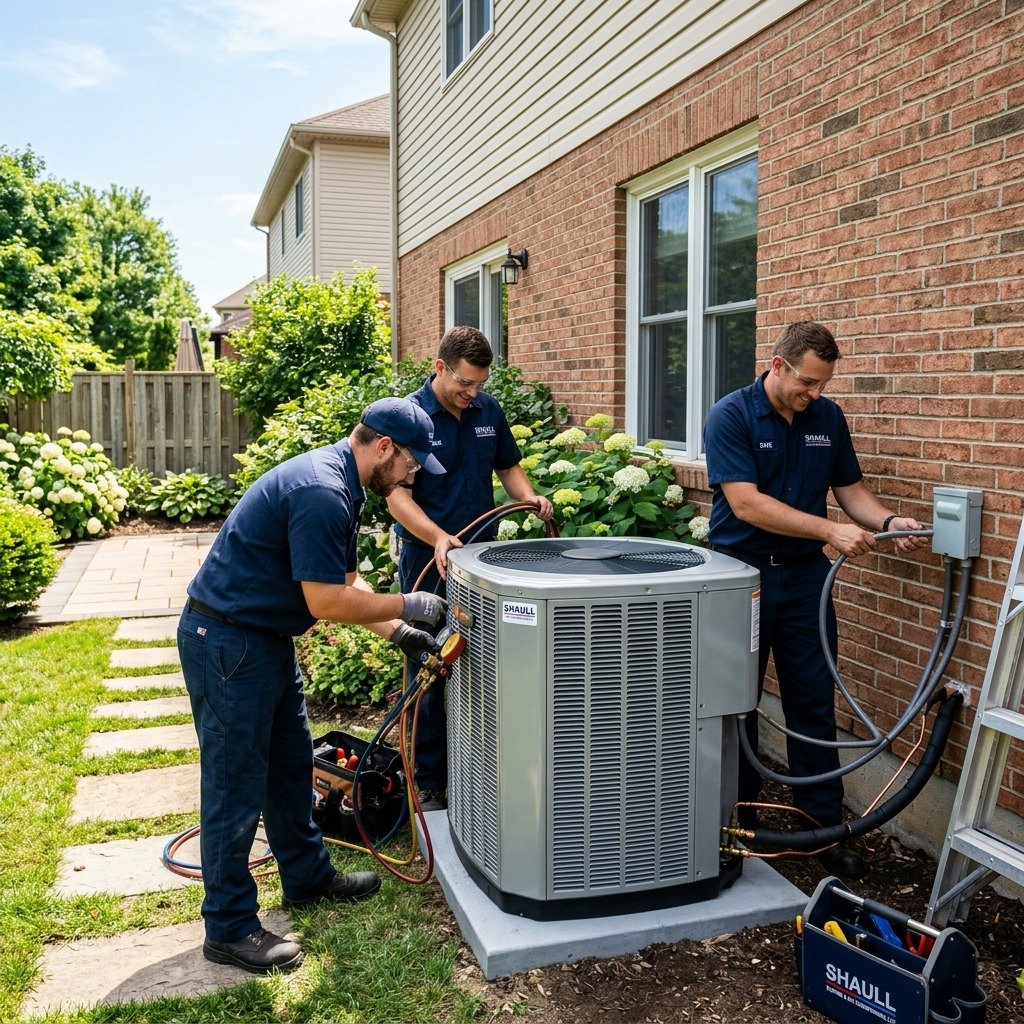
- Removal and Setup: The old unit is removed, and the new equipment is positioned and connected.
- Testing and Calibration: Refrigerant levels, thermostat settings, and airflow are checked to confirm everything runs as it should.
- Walkthrough: Homeowners are shown how to operate and maintain their new system, along with a rundown of any warranty details.
Understanding this process helps set realistic expectations and makes it easier to ask informed questions along the way.
Why Does Energy Efficiency Deserve Extra Attention?
Cooling costs make up a significant portion of home energy bills, especially during peak summer months. Choosing a system with a higher SEER (Seasonal Energy Efficiency Ratio) rating can lead to meaningful savings over the life of the unit, even though it may come with a higher upfront cost.
It’s also worth considering features like variable-speed compressors and smart thermostat compatibility. These additions allow the system to adjust its output based on real-time conditions rather than running at full capacity around the clock. Over time, that kind of responsiveness translates into lower bills and less strain on the equipment.
What Are the Signs That It’s Time for a New System?
Not every cooling problem means a full replacement is necessary, but certain signs suggest it’s worth exploring:
- The unit is more than 10-15 years old
- Energy bills have crept up despite normal usage
- Repairs have become frequent or increasingly expensive
- Some rooms stay noticeably warmer than others
- The system struggles to maintain a set temperature
Recognizing these signs early gives homeowners more time to plan, compare options, and avoid the pressure of making a rushed decision during a heatwave.
Why Choose Local Experience for Your Next Cooling Upgrade?
A properly matched, expertly fitted cooling system that keeps every room comfortable while lowering your monthly energy costs starts with working alongside a team that understands the nuances of Air Conditioning Installation. Every home has its own layout, sun exposure, and airflow quirks, and getting the details right requires more than just swapping out old equipment for new. Shaull Heating & Air Conditioning, LLC brings the kind of hands-on experience that turns a routine upgrade into a lasting improvement, handling everything from load calculations to final testing with care and precision.
Homeowners who work with a knowledgeable team benefit from more than just a new unit. They gain guidance on choosing the right equipment for their specific space, confidence that the installation was done correctly the first time, and support long after the job is finished. That kind of partnership makes all the difference when the summer heat arrives and your system needs to perform.
Ready to Feel the Difference?
A cooling system is one of the biggest investments in home comfort, and getting the installation right sets the tone for everything that follows. From accurate sizing to sealed ductwork and thoughtful equipment selection, every detail plays a part in how well your home stays cool through the hottest months.
If your current system is showing its age or simply isn’t keeping up anymore, now is a great time to start exploring your options. Reach out to Shaull Heating & Air Conditioning, LLC to schedule an assessment and take the first step toward a home that stays comfortably cool, no matter how high the temperature climbs outside.
About the Author