Solar panels promise decades of clean, reliable energy. But somewhere between the sales pitch and year five, plenty of homeowners notice their system isn’t performing like it used to. Energy bills creep back up. The app shows lower output than expected. And suddenly, that investment feels less impressive than it did on installation day.
The good news? Most solar performance issues are fixable, and often faster and more affordably than people expect. Understanding what’s actually happening beneath those glossy panels can save homeowners thousands of dollars in wasted energy costs and extend the life of their entire system.
This post breaks down the most common reasons solar systems lose efficiency, what warning signs to watch for, and why professional repair (not replacement) is usually the smarter path forward.
What causes solar panels to lose efficiency over time?
Solar panels are built to last, but they’re not immune to wear. A handful of factors quietly chip away at performance, often without homeowners noticing until their energy bill tells the story.
Dirt and debris buildup is the most common culprit. Dust, pollen, bird droppings, and even light layers of pollution can block sunlight from reaching the photovoltaic cells. In regions with long dry spells followed by sudden storms, grime accumulates fast and rinses unevenly, creating shaded spots that reduce output.
Micro-cracks and hail damage are less visible but more serious. A panel doesn’t need to shatter to lose efficiency. Even hairline cracks from hailstorms or temperature swings can interfere with electrical conductivity, gradually degrading a panel’s output over months.
Faulty wiring and connections cause some of the most dramatic performance drops. Loose connectors, corroded junction boxes, or rodent damage to wiring can cause entire strings of panels to underperform or stop producing altogether.
Inverter issues deserve special attention because the inverter is the piece of equipment responsible for converting the direct current your panels generate into usable alternating current. When it starts failing, the whole system feels the impact, not just a single panel.
How can homeowners tell if their solar system needs repair?
Solar systems rarely fail all at once. Instead, they send subtle signals first.
- Rising utility bills despite consistent sunlight and weather patterns
- Inconsistent output shown on the monitoring app, with unexplained dips
- Visible discoloration or cracking on panel surfaces
- Error codes or blinking lights on the inverter
- Physical debris, like leaves or nests, near the panel array
Any one of these on its own might not mean much. But when a homeowner notices two or three together, it’s usually a sign that a professional inspection is overdue.
Why professional repair beats a full system replacement
When something goes wrong with a solar setup, many homeowners assume the worst: a total system overhaul. In reality, full replacements are rarely necessary. Most performance issues trace back to isolated problems, a single damaged panel, a failing inverter, or a wiring fault, that a trained technician can diagnose and correct without touching the rest of the system.
Choose a repair-first approach if the system is generally intact and producing power, even at reduced levels. Consider a full assessment (which may include partial replacement) if the system is over 20 years old or has suffered structural damage from severe weather. For most residential setups, targeted repairs restore performance at a fraction of the cost of new equipment.
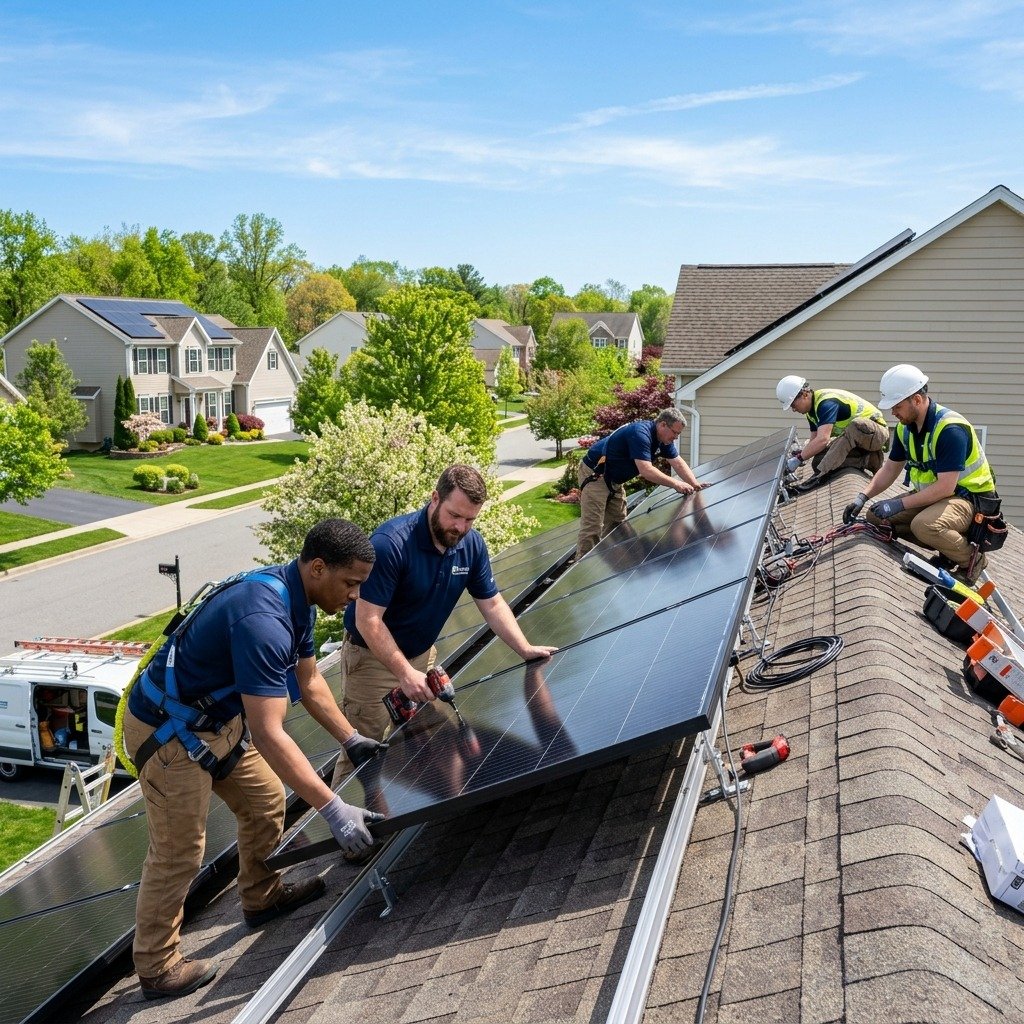
There’s also a safety angle that shouldn’t be overlooked. Solar systems carry live electrical current, even when a home’s main power is shut off. Attempting a DIY fix, or hiring an unqualified handyman, can create serious fire and shock hazards. Professional technicians know how to de-energize systems properly before inspecting or repairing them.
What does a solar repair inspection typically involve?
A thorough inspection usually starts with a visual assessment of every panel, looking for cracks, discoloration, or debris. From there, technicians typically test electrical output at the panel, string, and system level to isolate where the drop-off is occurring. Inverter diagnostics come next, checking error logs and conversion efficiency. Finally, wiring and mounting hardware get checked for corrosion, looseness, or pest damage.
This kind of layered diagnostic approach matters because solar systems are interconnected. A single failing component can mask or mimic symptoms elsewhere, so skipping steps often leads to misdiagnosis and repeat service calls.
Getting reliable help for your solar system
Solar energy remains one of the smartest long-term investments a homeowner can make, but only if the system keeps performing the way it was designed to. A dependable local repair team that shows up quickly, diagnoses issues accurately, and gets your energy production back on track can make all the difference between a frustrating repair experience and a smooth one, and that’s exactly the kind of service Solar Repair Pro’s of DWF was built to provide.
Homeowners across the Dallas-Fort Worth area trust the team for prompt inspections, honest assessments, and repairs that actually solve the underlying issue instead of offering temporary patches. Whether it’s a cracked panel, a failing inverter, or a mystery drop in energy output, getting an experienced technician on-site early prevents small issues from turning into expensive ones.
Solar panels are built to last for decades, but they need the right care to get there. Catching problems early, understanding what’s normal wear versus a real issue, and calling in professionals when something feels off will keep any solar investment paying dividends for years to come.
About the Author