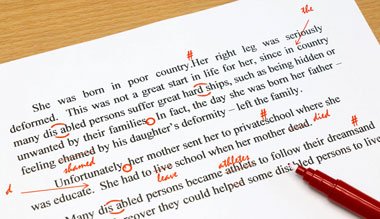

Have you ever paused while typing and wondered, “Is it weather or whether?” Maybe autocorrect stayed quiet, yet the sentence still looked wrong. You’re not alone. These three words — wether, weather, and whether — confuse even experienced writers because they sound almost identical.
Here’s the tricky part: although these words sound alike, they mean completely different things. One talks about climate, another expresses choice or uncertainty, and the third refers to a specific type of sheep.
A single spelling mistake can change your meaning fast. Imagine writing:
“I don’t know weather I should go.”
Technically, that sentence talks about climate instead of uncertainty. Small mistake. Big difference.
This guide breaks everything down in plain English. You’ll learn the exact meaning of wether vs weather vs whether, when to use each one, common mistakes people make, memory tricks that actually work, and real examples you can copy with confidence.
The Quick Answer: Wether vs. Weather vs. Whether
If you only want the fast version, here it is.
| Word | Meaning | Part of Speech | Example |
| Wether | A castrated male sheep | Noun | The wether stood near the fence. |
| Weather | Climate or atmospheric conditions | Noun/Verb | The weather feels cold today. |
| Whether | Expresses choice, doubt, or alternatives | Conjunction | I don’t know whether to stay. |
The easiest way to remember them
- Weather = climate
- Whether = choice or uncertainty
- Wether = sheep
If you can answer one simple question, you’ll almost never confuse them again:
Are you talking about the sky, a decision, or livestock?
That shortcut works surprisingly well.
Weather Meaning: What Does “Weather” Mean?
The word weather refers to the conditions in the atmosphere at a certain place and time.
That includes things like:
- Temperature
- Rain
- Snow
- Wind
- Humidity
- Sunshine
- Storms
For example:
The weather changed quickly this morning.
In that sentence, weather describes outside conditions.
Weather as a noun
Most of the time, people use weather as a noun.
Examples:
- The weather looks beautiful today.
- Cold weather arrived early this year.
- We canceled the picnic because of bad weather.
Think of weather as what happens outside your window.
If you like our content, please visit this website: nameclaps.com
Common types of weather
| Type of Weather | Example |
| Sunny | Bright skies and sunshine |
| Rainy | Frequent rainfall |
| Windy | Strong moving air |
| Snowy | Falling snow |
| Stormy | Thunder, lightning, or heavy rain |
| Humid | Moist, sticky air |
Weather as a verb
Here’s something many people don’t know.
Weather can also work as a verb.
In this case, it means to survive, endure, or withstand difficulty.
Examples:
The company weathered the financial crisis.
Their house weathered the storm.
This meaning often appears in business, survival stories, and emotional discussions.
For example:
She weathered years of hardship and still succeeded.
That sentence has nothing to do with rain or sunshine. Instead, it means someone endured challenges.
Common phrases using “weather”
English speakers use weather in many expressions.
Under the weather
Meaning: feeling sick
Example:
I’m feeling under the weather today.
Weather forecast
Meaning: prediction of future conditions
Example:
I checked the weather forecast before traveling.
Fair-weather friend
Meaning: someone who only stays around during easy times
Example:
He disappeared when things got difficult. A true fair-weather friend.
If you like our content, please visit this website: nameclaps.com
Whether Meaning: What Does “Whether” Mean?
Now let’s tackle the word people confuse with weather most often.
Whether introduces uncertainty, alternatives, or choices.
Think of it as the word you use when something feels undecided.
Example:
I don’t know whether I should leave.
In simple words:
Whether = uncertainty or choice.
When should you use “whether”?
You should use whether when discussing:
- Choices
- Possibilities
- Doubt
- Alternatives
Let’s break this down.
Whether for choices
Sometimes you must decide between two things.
Example:
I can’t decide whether to travel this summer.
Another example:
Tell me whether you agree.
The word signals uncertainty.
Whether for uncertainty
Sometimes you simply don’t know something.
Examples:
We don’t know whether it will rain.
She wondered whether he meant it.
Notice the pattern?
Whenever doubt appears, whether usually belongs there.
If you like our content, please visit this website: nameclaps.com
Whether with alternatives
Often, whether appears with or.
Examples:
Whether you stay or leave, I’ll support you.
He couldn’t decide whether to buy the car or save money.
That structure appears constantly in English writing.
Whether after prepositions
Grammar lovers notice this one immediately.
After words like:
- About
- On
- To
- For
You usually need whether.
Example:
It depends on whether she arrives.
Not:
It depends on if she arrives.
This small distinction makes your writing stronger.
Whether vs If: What’s the Difference?
Many writers ask:
Can I use “if” instead of “whether”?
Sometimes yes. Sometimes no.
That’s where confusion begins.
When “if” works
In casual conversation, if and whether often overlap.
Example:
I don’t know if he’s coming.
You could also say:
I don’t know whether he’s coming.
Both sound natural.
When only “whether” works
However, there are situations where whether is the better or only choice.
Before infinitives
Correct:
She doesn’t know whether to stay.
Wrong:
She doesn’t know if to stay.
With alternatives
Correct:
Whether we win or lose, we’ll try again.
Wrong:
If we win or lose, we’ll try again.
After prepositions
Correct:
The outcome depends on whether you act.
Wrong:
The outcome depends on if you act.
Quick comparison table
| Situation | Whether | If |
| Expressing uncertainty | ✅ | ✅ |
| Before “to” verb | ✅ | ❌ |
| With “or” alternatives | ✅ | ❌ |
| After prepositions | ✅ | ❌ |
A simple rule helps:
If in doubt, “whether” usually sounds more precise.
If you like our content, please visit this website: nameclaps.com
Wether Meaning: What Does “Wether” Mean?
Here comes the forgotten word.
Unlike weather and whether, the word wether appears rarely.
A wether is:
A castrated male sheep.
Yes, really.
That’s the entire meaning.
Why does this word exist?
Farmers traditionally castrate certain male sheep to improve temperament and meat quality.
Those sheep become wethers.
Example:
The farmer separated the wether from the flock.
Outside farming or agriculture, people almost never use this term.
That explains why many assume it’s simply a spelling mistake.
Why “wether” confuses people
Three reasons explain the confusion:
- It sounds like weather
- It looks like whether
- Most people never hear it in daily life
Because of that, people often assume:
“Wether isn’t a real word.”
But it absolutely is.
If you like our content, please visit this website: nameclaps.com
Wether vs Weather vs Whether: Side-by-Side Examples
Sometimes examples teach faster than definitions.
Look at these sentences.
| Incorrect Sentence | Correct Sentence |
| I wonder weather she likes me. | I wonder whether she likes me. |
| The whether looks cloudy today. | The weather looks cloudy today. |
| The farmer fed the weather. | The farmer fed the wether. |
Why these examples matter
Each word fills a totally different role.
Weather relates to climate.
Whether introduces uncertainty.
Wether refers to livestock.
One missing letter changes the meaning entirely.
Easy Memory Tricks to Remember the Difference
Grammar rules help. Memory tricks help faster.
Weather = Earth
Notice the “ea” in weather?
Think:
Weather → Earth → Nature
Both contain “ea.”
That association makes the word easier to remember.
Whether = Choice
The word often signals uncertainty.
Ask yourself:
Am I deciding something?
If yes, use whether.
Example:
I’m unsure whether to order pizza.
Wether = Sheep
This one is simple.
Remember:
Wether = weird sheep word
Since it rarely appears, this trick sticks.
The three-second test
Ask yourself:
Climate? Choice? Sheep?
That question solves most spelling mistakes instantly.
Common Mistakes People Make
Even fluent English speakers mess these up.
Let’s fix the most common errors.
Mistake: Using weather instead of whether
Wrong:
I don’t know weather he’ll call.
Correct:
I don’t know whether he’ll call.
Why it happens:
The words sound identical.
Spellcheck may ignore the mistake because weather is still a real word.
Mistake: Thinking wether is fake
Many assume wether is incorrect spelling.
Truth:
Wether is a real dictionary word.
You simply don’t see it often.
Mistake: Trusting autocorrect too much
Autocorrect catches spelling.
It often misses context.
Example:
I wonder weather she agrees.
No spelling error exists technically.
But the sentence still sounds wrong.
That’s why understanding meaning matters more than software.
Why Pronunciation Makes These Words So Confusing
Here’s the real problem.
These words are homophones.
A homophone means:
Words that sound alike but have different meanings.
Examples include:
| Word Pair | Meaning Difference |
| Their / There | Ownership vs location |
| Your / You’re | Possession vs “you are” |
| Weather / Whether | Climate vs uncertainty |
Most English speakers pronounce:
- Weather
- Whether
- Wether
almost exactly the same.
That means sounding words out rarely helps.
You must understand meaning, not pronunciation.
Real-Life Examples in Everyday Writing
Learning grammar becomes easier when you see practical examples.
In emails
Correct:
Please confirm whether you’ll attend the meeting.
Incorrect:
Please confirm weather you’ll attend.
In text messages
Correct:
The weather feels amazing today.
In business writing
Correct:
Leadership discussed whether to expand operations.
In farming discussions
Correct:
The wether stayed near the barn.
Context matters.
That’s what separates clear writing from confusing writing.
Case Study: How One Wrong Word Changes Meaning
Imagine a travel company publishes this sentence:
We’re unsure weather flights will continue.
Customers might pause.
Why?
Because the sentence accidentally discusses climate rather than uncertainty.
Correct version:
We’re unsure whether flights will continue.
Tiny spelling issue.
Big professionalism problem.
That’s why grammar details matter more than many people realize.
Read More: Turn One’s Head Meaning: Definition, Origin and How to Use It Correctly
Mini Quiz: Can You Pick the Correct Word?
Try these yourself.
Fill in the blanks
- I wonder ______ we should leave early.
- The ______ turned cold overnight.
- The farmer checked the ______ before sunrise.
- We don’t know ______ the event is canceled.
- Severe ______ delayed flights.
Answers
- Whether
- Weather
- Wether
- Whether
- Weather
How did you do?
If you got most right, you already understand the difference.
Quick Cheat Sheet for Fast Recall
Save this mentally.
| If You Mean… | Use This Word |
| Climate or temperature | Weather |
| Choice or uncertainty | Whether |
| Male sheep | Wether |
Even professional editors rely on shortcuts like this.
FAQs
Is “wether” a real word?
Yes.
A wether is a castrated male sheep. Farmers commonly use the term in livestock management.
Why do people confuse weather and whether?
Because they sound almost identical.
English contains many homophones, which makes spelling difficult even for native speakers.
Can I replace whether with if?
Sometimes.
However, whether works better with alternatives, infinitives, and prepositions.
Is weather only a noun?
No.
It can also act as a verb.
Example:
They weathered difficult times.
Why doesn’t spellcheck catch the mistake?
Because weather, whether, and wether are all legitimate words.
Grammar tools struggle with context.
Final Thoughts
Confusing wether, weather, and whether happens to almost everyone at some point. The good news? Once you understand what each word actually means, the confusion disappears quickly.
Remember this:
- Weather = climate
- Whether = uncertainty or choice
- Wether = sheep
When you feel stuck, pause and ask:
“Am I talking about the sky, a decision, or livestock?”
That quick mental trick works surprisingly well.
English contains plenty of confusing word pairs, yet this one becomes easy once you know the pattern. Use the right spelling consistently and your writing will instantly look clearer, sharper, and more professional.
About the Author