Few things are more frustrating than wiping down a spotless kitchen counter only to find a trail of ants marching across it an hour later. Ants are small, but their persistence can turn into a full-blown infestation before you even notice a pattern. Once a colony finds a reliable food source in your home, it sends out signals to recruit more workers, and what started as a handful of stragglers can multiply into hundreds.
This post breaks down why ants invade homes, how to spot the early warning signs, and what actually works to keep them out for good. Whether you’re dealing with sugar ants raiding your pantry or carpenter ants chewing through wood, understanding the problem is the first step toward a lasting solution.
Why Do Ants Keep Coming Back?
Ants are relentless because they operate as a colony, not as individuals. A single scout ant that discovers crumbs on your floor will leave a pheromone trail leading straight back to the nest, guiding dozens of worker ants to the same spot. This is why a small ant problem rarely stays small for long.
Homes offer everything ants need to thrive: warmth, moisture, and easy access to food. Kitchens are prime targets, but bathrooms, laundry rooms, and even wall voids can become nesting sites. Seasonal changes play a role too. Many species become more active in spring and summer when they search for food to sustain their growing colonies, but some, like odorous house ants, will move indoors during colder months seeking warmth.
Common entry points include:
- Gaps around windows and door frames
- Cracks in the foundation
- Utility lines and pipes entering the home
- Overhanging tree branches that touch the roofline
Once inside, ants are remarkably good at finding overlooked food sources, from pet bowls to unsealed containers in the pantry.
Signs You Might Have an Ant Infestation
Spotting a few ants near a windowsill doesn’t always mean disaster, but certain signs point to a larger issue brewing beneath the surface.
Visible Ant Trails
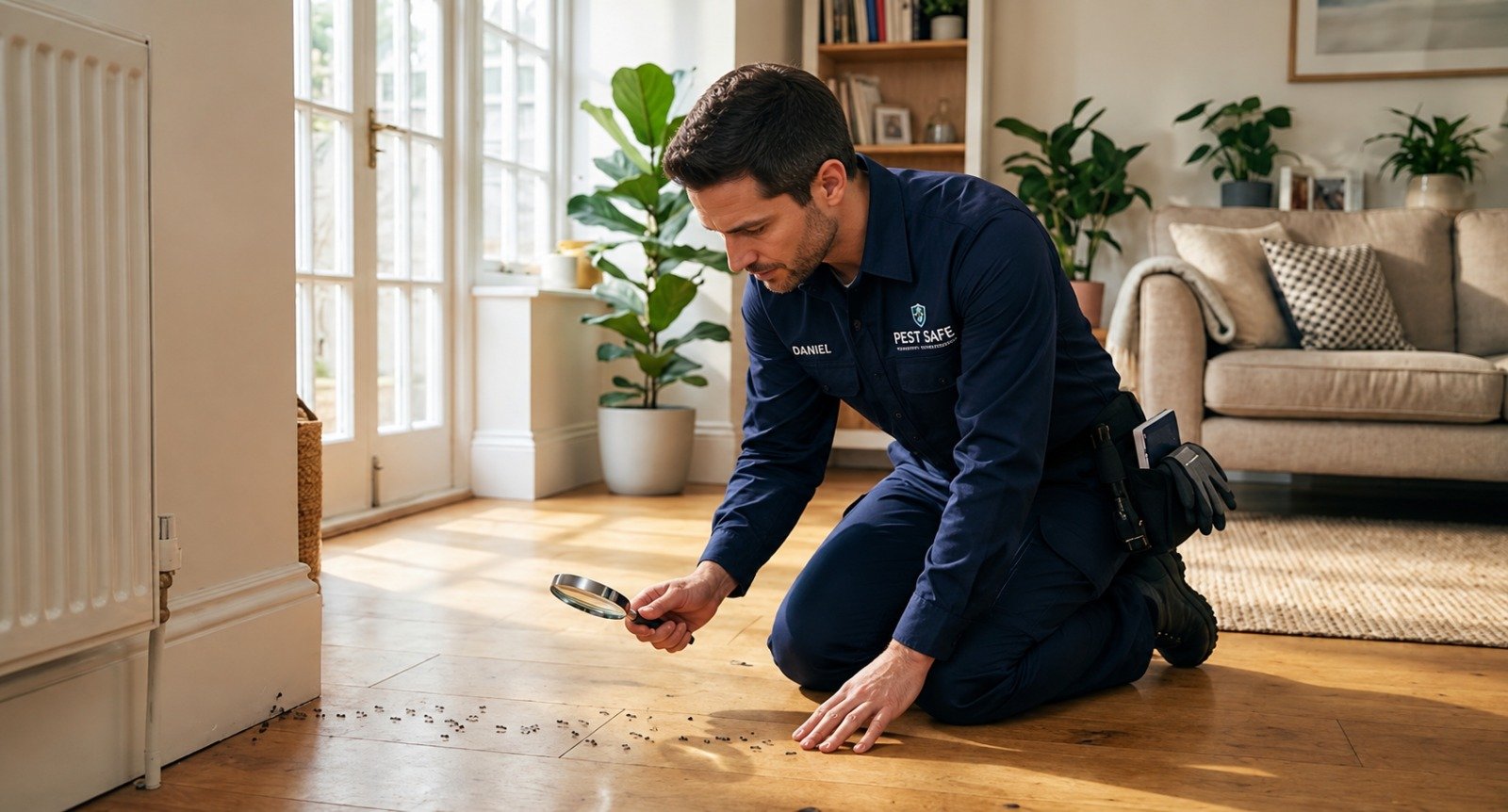
If you notice ants consistently following the same path, especially near food or water sources, it’s a strong indicator that a colony has established itself nearby. These trails often lead back to a nest hidden in walls, under floors, or outside near the foundation.
Discarded Wings
Finding small piles of wings near windowsills or baseboards can signal a swarm of reproductive ants, which typically means a mature colony is close by and looking to expand.
Wood Damage
Carpenter ants don’t eat wood like termites, but they tunnel through it to build nests. Small piles of sawdust-like material, known as frass, near wooden structures are a telltale sign of their presence.
Rustling Sounds in Walls
In more serious infestations, homeowners sometimes report faint rustling noises coming from within walls, particularly with larger carpenter ant colonies.
DIY Methods vs. Professional Treatment
Store-bought sprays and baits can offer temporary relief, but they often only address the ants you can see. The real challenge lies in eliminating the nest itself, which might be tucked away in a wall void, under a slab, or buried several feet outside your home.
DIY approaches tend to work best for minor, isolated sightings. Sealing entry points, cleaning up food residue, and using ant bait stations can reduce activity in the short term. However, these methods rarely reach the queen, and if she survives, the colony will keep rebuilding.
Professional treatment takes a more targeted approach. Trained technicians can identify the ant species, locate the nest, and apply treatments designed to eliminate the colony at its source rather than just knocking back the visible workforce. This distinction matters: choose professional treatment if you’ve already tried DIY methods without lasting results, or if you’re dealing with carpenter ants, which can cause structural damage over time.
Protecting Your Home for the Long Term
Getting rid of an active infestation is only half the battle. Keeping ants from returning requires ongoing attention to the conditions that attract them in the first place.
Simple habits make a measurable difference:
- Store food, including pet food, in sealed containers
- Wipe down counters and sweep floors regularly to remove crumbs
- Fix leaky pipes and faucets to eliminate moisture sources
- Trim vegetation and tree branches away from the home’s exterior
- Seal visible cracks around windows, doors, and the foundation
These steps won’t guarantee a completely ant-free home on their own, but they significantly reduce the chances of a new colony settling in.
Why a Long-Term Ant Control Plan Makes All the Difference
Ant control that targets the root of the problem, rather than just the ants marching across your countertop, is what separates a temporary fix from lasting relief. At Critter Stop, technicians assess the specific species involved, trace activity back to the nest, and apply treatments designed to disrupt the colony rather than just its visible scouts. This targeted approach means fewer surprises down the line and a home that actually stays protected through changing seasons.
Every property is different, which is why a one-size-fits-all spray rarely solves the underlying issue. A tailored plan takes into account entry points, moisture sources, and the specific ant species present, whether that’s odorous house ants sneaking in during winter or carpenter ants threatening the structural integrity of a deck or wall. Addressing these factors directly leads to results that hold up over time, not just for a few days after treatment.
Homeowners who invest in a comprehensive plan typically notice fewer recurring problems, less time spent on repeated DIY fixes, and greater peace of mind knowing the issue has been handled at its source. If ants have become a recurring headache, working with a team that understands colony behavior and treatment strategy can turn a frustrating cycle into a problem solved for good.
About the Author