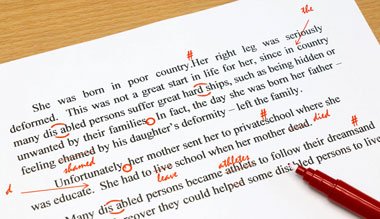
Due To or Do To? Which Is Correct? Many writers face typing confusion while writing a quick message at work about meeting cancellation and weather issues.
I still remember a quick typing message at work about a meeting canceled because of weather. I wrote do instead of due, and it felt wrong. I had to reread, hesitate, and find the correct form because it did not feel right in standard English. Many people like students, office workers, bloggers, and test-takers often search this common mistake in English grammar. It looks similar, but in real communication, especially workplace writing, a small typing error changes the sense of sentence structure and reduces clarity in professional communication.
Meaning Breakdown Using Grammar Understanding
In simple terms, I had to break down the real meaning using a grammar guide and language learning approach. Due to is used in English usage for cause and effect, like rain, train stopped, technical issues, event delay, or weather-related cancellation. But do to is a verb phrase where someone do an action to someone or something, part of action verb usage. This difference matters because both phrases sound the same but have completely different meanings, and mixing them leads to incorrect usage and confusion in both formal communication and informal communication.
Learning Through Practice and Memory Tricks
From my experience, I learned to slowly write, reread, and check every phrase meaning during drafting and self-editing. A simple memory trick helps: connect due to with reason-based expression and do to with perform action. Using examples, tables, and a mini quiz during practice improves writing accuracy, builds confidence, and ensures proper usage in everyday English. With consistent practice, even seasoned writers and beginners avoid this tiny mix-up, improve communication skills, and maintain strong professional writing standards without second-guessing or losing credibility.
Quick Answer: Due To or Do To?
If you only remember one thing from this article, remember this:
Use “due to” when you mean “because of.” Use “do to” when talking about an action.
Here is a quick comparison.
| Phrase | Meaning | When to Use It | Example |
| Due to | Because of | To explain a cause or reason | School closed due to snow |
| Do to | Perform an action toward | To describe an action affecting someone or something | What did you do to the car? |
A quick test often helps:
Replace the phrase with “because of.”
If the sentence still makes sense, you probably need due to.
Example:
The concert ended due to rain.
Try replacing it:
The concert ended because of rain.
Still works? Great. Due to is correct.
Now try this:
What did you due to your brother?
That sounds wrong because the sentence talks about an action. The correct phrase becomes:
What did you do to your brother?
Sometimes grammar feels like solving a small puzzle. Once you know the pattern, everything clicks.
What Does “Due To” Mean?
The phrase “due to” means caused by, resulting from, or because of.
You use it when explaining why something happened.
Think of “Due To” as a Reason Phrase
Imagine someone asks:
Why was the meeting canceled?
You answer:
The meeting was canceled due to bad weather.
In other words:
The meeting was canceled because of bad weather.
The phrase points to the cause.
Examples of “Due To” Used Correctly
Here are common examples:
- The train arrived late due to heavy rain.
- Flights were delayed due to fog.
- The event ended early due to technical problems.
- She succeeded due to years of practice.
- Sales increased due to strong customer demand.
Notice something important:
Every sentence explains why something happened.
That is the key pattern.
“Due To” in Professional Writing
You will often see due to in:
- Business emails
- Academic papers
- News articles
- Reports
- Workplace communication
For example:
“Operations were temporarily paused due to maintenance.”
Professional writers like the phrase because it sounds clear and precise.
Still, too much of it can make writing stiff.
Compare these examples:
Stiff:
The picnic was canceled due to rain.
More conversational:
The picnic was canceled because of rain.
Both work. One simply sounds more natural.
A Helpful Grammar Tip
Many grammar experts suggest that due to works best after forms of the verb to be.
Example:
The delay was due to traffic.
This sentence flows naturally.
However, modern English accepts broader usage too.
You will regularly see:
We arrived late due to traffic.
Most readers consider this perfectly normal.
Language changes over time. Grammar rules evolve with it.
What Does “Do To” Mean?
Now for the phrase that causes trouble.
“Do to” combines:
- Do → an action verb
- To → a preposition showing direction or effect
Together, they describe something someone does to another person or object.
“Do To” Is About Action
Think movement. Think impact.
Someone is doing something.
Examples:
- What did you do to the printer?
- Please don’t do that to yourself.
- What did the storm do to the house?
- I would never do that to my friend.
See the difference?
These sentences describe actions, not reasons.
Why People Confuse “Do To” and “Due To”
The answer is simple:
They sound nearly identical.
English loves creating confusion with homophones. Those are words or phrases that sound alike but mean different things.
Other examples include:
| Commonly Confused Words | Correct Meaning |
| Their / There / They’re | Ownership, place, contraction |
| Your / You’re | Possession, contraction |
| Affect / Effect | Verb, noun |
| Due To / Do To | Reason, action |
When people write quickly, they often type what they hear instead of what grammar requires.
That explains why “do to” frequently appears by mistake.
Due To vs Do To: What’s the Difference?
Let’s settle the confusion once and for all.
Side-by-Side Comparison
| Feature | Due To | Do To |
| Meaning | Because of | Perform an action |
| Grammar Role | Phrase explaining cause | Verb phrase |
| Purpose | Shows reason | Shows action |
| Example | Late due to traffic | What did you do to the phone? |
The easiest way to think about it:
Due to explains WHY.
Do to explains WHAT happened.
That tiny distinction makes a huge difference.
Example Comparison
Correct: Due To
The game ended due to heavy rain.
Question answered:
Why did the game end?
Because of rain.
Correct: Do To
What did the kids do to the backyard?
Question answered:
What action happened?
The kids changed something.
One phrase explains a cause.
The other describes an action.
Is “Do To” Ever Grammatically Correct?
Yes. Absolutely.
Many people assume “do to” is always wrong. That is not true.
It becomes correct when you talk about actions affecting something or someone.
Correct Examples of “Do To”
These sentences work:
- What did the dog do to the couch?
- What did stress do to his health?
- What are you going to do to fix the issue?
- Please don’t do that to your family.
- What did the heat do to the plants?
Every sentence involves an action or effect.
Incorrect Uses of “Do To”
People often write:
❌ The delay happened do to weather.
That sentence sounds wrong because weather caused the delay.
You need a reason phrase.
✅ The delay happened due to weather.
Another example:
❌ School closed do to snow.
✅ School closed due to snow.
Tiny correction. Much cleaner writing.
Common Mistakes People Make With Due To and Do To
Even strong writers mix these up sometimes.
Let’s look at the most common errors.
Writing “Do To” Instead of “Due To”
This mistake happens because people write based on sound.
They hear:
“doo too”
Then type:
do to
Unfortunately, English does not always reward phonetic spelling.
Trusting Spell Check Too Much
Spell check catches many errors.
This one slips through.
Why?
Because “do to” is still a valid phrase.
The software sees real words and assumes everything looks fine.
That means you need to catch the mistake yourself.
Writing Too Quickly
Fast writing causes trouble.
You type an email.
You rush a report.
You skim instead of proofread.
Suddenly:
❌ Meeting canceled do to scheduling problems.
A small typo makes professional writing look careless.
Mixing Casual Speech With Formal Grammar
In casual conversation, nobody notices.
Both phrases sound identical.
Writing changes the game.
Grammar suddenly matters.
That is why proofreading matters too.
Due To vs Because Of: Are They the Same?
Almost.
But not entirely.
Both phrases explain cause, yet they work differently.
Similarities Between “Due To” and “Because Of”
Both answer the question:
Why?
Example:
The event was canceled due to rain.
Same meaning:
The event was canceled because of rain.
No major difference in meaning.
Small Grammar Differences
Traditional grammar treats due to more like an adjective phrase.
Example:
The cancellation was due to weather.
Meanwhile, because of behaves more naturally in everyday conversation.
Example:
We canceled the trip because of weather.
Which One Sounds Better?
That depends on tone.
Formal Writing
Use due to.
Example:
Revenue declined due to supply shortages.
Everyday Conversation
Use because of.
Example:
We stayed home because of the storm.
Simple choice.
Formal? Due to.
Casual? Because of.
Can You Start a Sentence With “Due To”?
Yes, you can.
Many people think starting a sentence with due to breaks grammar rules.
It does not.
Correct Examples
- Due to heavy traffic, we arrived late.
- Due to unexpected expenses, the project paused temporarily.
- Due to weather concerns, flights were canceled.
All correct.
The Secret to Making It Sound Natural
Keep the sentence clear.
Avoid overly complicated phrasing.
For example:
Awkward:
Due to circumstances that had developed unexpectedly, changes became necessary.
Better:
Due to unexpected problems, we changed the plan.
Simple writing wins almost every time.
Readers appreciate clarity.
Real-Life Examples of Due To and Do To
Grammar sticks better when you see it in real situations.
Workplace Examples
Due To
- The deadline changed due to staffing issues.
- Sales dropped due to lower demand.
Do To
- What did the update do to the software?
- What will management do to solve the problem?
School Examples
Due To
- School closed due to snow.
- Grades improved due to extra tutoring.
Do To
- What did you do to the science project?
- What did the experiment do to the results?
Everyday Conversation
Due To
- We stayed inside due to the heat.
- Dinner changed due to allergies.
Do To
- What did the puppy do to your shoes?
- What did time do to this old building?
Professional Email Example
Incorrect:
The delay occurred do to technical issues.
Correct:
The delay occurred due to technical issues.
That single correction instantly makes writing look more polished.
A Simple Memory Trick to Never Forget the Difference
Want a shortcut?
Here it is.
Think: “Due = Because”
If because of fits, use due to.
Example:
The game ended due to rain.
Try replacement:
The game ended because of rain.
Works perfectly.
Think: “Do = Action”
If somebody performs an action, use do to.
Example:
What did you do to my keyboard?
Someone acted on the keyboard.
Easy.
The Five-Second Grammar Test
Ask yourself:
Am I explaining a reason?
→ Due to
Am I describing an action?
→ Do to
Done.
Problem solved.
Common Wrong Sentences and Their Fixes
People repeat the same mistakes over and over.
Here are quick corrections.
| Incorrect Sentence | Correct Sentence |
| Late do to traffic | Late due to traffic |
| Cancelled do to rain | Cancelled due to rain |
| What did you due to him? | What did you do to him? |
| School closed do to weather | School closed due to weather |
| What did stress due to you? | What did stress do to you? |
Notice the pattern.
If something caused a result, use due to.
If someone or something acted, use do to.
Read More: Turn One’s Head Meaning: Definition, Origin and How to Use It Correctly
Mini Case Study: Why This Mistake Matters
Imagine you run a business.
You send this email:
“Orders are delayed do to supply issues.”
Customers notice.
Maybe they ignore it.
Maybe they question professionalism.
Now compare:
“Orders are delayed due to supply issues.”
Clean.
Professional.
Trustworthy.
Small grammar choices shape how people see your writing.
Nobody expects perfection. Still, accuracy builds credibility.
Why Search Engines Show So Many Results for “Due To or Do To”
Here is an interesting fact.
Many people search:
- Is it due to or do to?
- Do to or due to grammar
- Due to vs do to
- When to use due to
- What does do to mean?
Why?
Because pronunciation tricks people.
English spelling rarely plays fair.
The good news?
Once you understand the difference, you usually stop making the mistake forever.
FAQs
Is it due to or do to?
It depends on the meaning.
Use due to causes or reasons.
Example:
The event ended due to weather.
Use do to for actions.
Example:
What did you do to the computer?
Why do people confuse due to and do to?
They sound almost identical in speech.
People often write words exactly how they hear them.
That creates confusion.
Can I replace due to with because of?
Usually, yes.
Try the replacement test.
If because it sounds natural, due to likely works too.
Example:
Late due to rain → Late because of rain
Both make sense.
Is “do to” proper English?
Yes, but only in action-based sentences.
Correct:
What did you do to my phone?
Incorrect:
The event ended do to rain.
Is due to formal?
Somewhat.
It often sounds slightly more formal than because of.
That makes it popular in business writing and reports.
What is the easiest way to remember the difference?
Remember this phrase:
Due = reason. Do = action.
That single trick solves most confusion.
Conclusion
Understanding due to and do to is a small but important part of mastering English grammar. One shows a reason or cause, while the other refers to an action performed on something or someone. This simple difference can completely change the meaning of a sentence.
In everyday writing and communication, especially in workplace writing, using the correct usage helps maintain clarity, accuracy, and professional standards. Avoiding this common mistake improves your sentence structure and reduces confusion in both formal and informal communication.
With regular practice, careful proofreading, and a clear understanding of the rules, you can confidently use these phrases without second-guessing.
About the Author