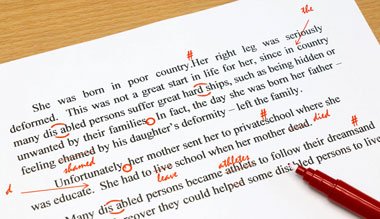
Many learners ask, Can You End a Sentence with _____? Modern English grammar shows that a sentence can often end with certain words when the context and sentence structure support the meaning clearly. A short answer from modern grammar experts, linguists, editors, professional writers, experienced writers, students, bloggers, professionals, and native English speakers is that real use is often more flexible than older rulebooks suggest. Although old-school rules still appear in classrooms, traditional rules are not always strictly followed, which creates confusion when one teacher warns against ending with a preposition while real-world examples show the opposite.
Through years of writing and editing, I have found that the key is clarity. A skilled writer should focus on creating sentences that are clearer, readable, natural, and smoother instead of blindly following every rule. Whether a sentence finishes with nouns, verbs, adverbs, pronouns, conjunctions, prepositions, a single word, or another appropriate word, the goal is effective communication. Some tricky constructions, sentence structures, and unusual sentence endings require careful attention, and this is where practical advice, understanding, a variety of examples, and awareness of small nuances can make a real difference.
When a sentence sounds awkward, incorrect, or sounding forced, a few adjustments to the ending can improve the result. The idea is to construct a complete thought correctly and neatly. If something gets corrected, it is often due to poor structure rather than the final endings themselves. With practical use, you can manage doubts, realize what works better, write confidently, and develop a more professional way of communicating. Modern grammar, accepted usage, and expert guidance show that language is not always strict. Choosing the chosen form, finding the right answer, avoiding a mid-sentence issue, staying grammatically correct, improving overall clarity, and understanding why words like too sometimes appear at the end are all useful patterns that help create a stronger writer.
The Short Answer: Can You End a Sentence with _____?
The answer depends on the word you want to place at the end.
Some sentence endings sound perfectly natural:
- Who are you talking to?
- I want some pizza too.
- I liked the movie though.
Others create incomplete thoughts:
- I stayed home because.
- She wanted to go and.
That distinction matters.
English values clarity and natural flow more than rigid rules.
Why the Answer Depends on the Word
Different words serve different jobs in grammar.
Some words naturally appear at the end of sentences:
| Word Type | Example | Usually Correct? |
| Preposition | Who did you go with? | Yes |
| Adverb | I’ll come too. | Yes |
| Conjunction | I wanted to leave but… | Sometimes |
| Helping Verb | Who is? | Depends |
Grammar depends on function, not superstition.
A sentence ending works if:
- The meaning feels complete
- The structure makes sense
- Readers understand the message
- It sounds natural in context
When Ending a Sentence Sounds Natural
Real English rarely sounds robotic.
Imagine saying this in everyday conversation:
Correct: “Who are you going with?”
Now compare it with this:
Overly formal: “With whom are you going?”
Technically, both work.
But one sounds human.
The other sounds like someone from an old courtroom drama.
Modern English favors clarity and rhythm.
When Sentence Endings Cause Problems
Problems happen when the sentence feels incomplete.
For example:
“I stayed home because.”
The reader instantly asks:
Because what?
The idea feels unfinished.
Likewise:
“She bought milk and.”
Again, the sentence stops before the thought finishes.
A useful test exists:
If the sentence leaves readers hanging, it probably needs revision.
Why People Think Some Words Cannot End a Sentence
Many grammar “rules” come from older teaching traditions.
Some still matter.
Others simply refuse to die.
The Old Grammar Myth Problem
For generations, students heard rules like:
- Never split infinitives
- Never start sentences with and
- Never end sentences with prepositions
Here is the surprise:
Most of these rules were style preferences, not hard grammar laws.
In the 17th century, some grammarians tried to shape English using Latin grammar.
The issue?
English is not Latin.
English naturally allows flexible sentence structures.
What Modern Grammar Experts Actually Say
Most respected style guides focus on clarity, tone, and readability.
For example:
“This is the sort of nonsense I will not put up with.”
That famous sentence jokingly mocks forced grammar rules.
It sounds awkward because someone tried too hard to avoid ending with a preposition.
Good writing should sound natural.
Not stiff.
Can You End a Sentence with a Preposition?
This question appears more than any other.
And yes:
You absolutely can end a sentence with a preposition.
What Is a Preposition?
Prepositions show relationships between words.
Common examples include:
- At
- To
- With
- For
- On
- By
- From
- About
Natural Examples
These sound completely normal:
- Who are you talking to?
- What are you looking for?
- Where did this come from?
- Who are you going with?
No problem exists here.
Why the Myth Exists
Some older teachers preferred sentences modeled after Latin grammar.
That led to forced rewrites like:
“To whom are you speaking?”
Correct?
Yes.
Natural?
Not always.
When Formal Writing Changes Things
Academic writing sometimes prefers formality.
For example:
| Informal | Formal |
| Who are you speaking to? | To whom are you speaking? |
| What is this report about? | What is this report? |
Still, modern professional writing increasingly favors readability.
Case Study: Everyday Speech vs Formal Style
Imagine writing an email to a friend:
“Who are you going with?”
Sounds perfect.
Now imagine legal writing:
“With whom did the defendant travel?”
The audience matters.
That changes the choice.
Can You End a Sentence with a Conjunction?
Many people believe conjunctions should never end sentences.
That idea only tells part of the story.
Ending with “And”
Usually, this creates a fragment.
Example:
Incorrect: “I bought groceries and.”
The sentence feels incomplete.
However, writers sometimes intentionally stop for dramatic effect.
Example:
“He almost said the truth. And then stopped.”
Style matters.
Ending with “But”
“But” often signals unfinished thought.
Example:
Incorrect: “I wanted to go but.”
Readers expect more information.
Ending with “Or”
Same issue here.
Example:
Incorrect: “We could stay or.”
The sentence lacks closure.
Quick Rule for Conjunctions
Ask yourself:
Did I complete the idea?
If not, revise.
Can You End a Sentence with “Too”?
Yes.
And people do it constantly.
Why “Too” Works Naturally
“Too” adds meaning like:
- Also
- As well
- In addition
Examples:
- I want coffee too.
- She likes hiking too.
- I’m coming too.
Natural.
Simple.
Correct.
Formal vs Casual Placement
You can place “too” elsewhere:
- I too enjoy pizza.
- I enjoy pizza too.
Both work.
But sentence endings often sound friendlier.
Can You End a Sentence with “Though”?
Absolutely.
This one surprises many learners.
Why Native Speakers Use It
Sentence-ending though softens tone.
Example:
“It was expensive though.”
This sounds conversational and relaxed.
Compare:
“Although it was expensive.”
Different rhythm.
Same meaning.
Examples That Work
- I liked it though.
- The food tasted great though.
- He forgot my birthday though.
Very common in modern English.
Can You End a Sentence with “Because”?
This topic creates debate.
When “Because” Fails
Sometimes it creates fragments.
Example:
Incorrect: “I stayed home because.”
The sentence feels broken.
When Ending with “Because” Actually Works
Modern communication changed things.
Writers sometimes intentionally stop after because for humor or emphasis.
Example:
“Why did you buy another plant?”
“Because.”
That works stylistically.
Especially online.
Rule to Remember
If meaning feels complete, it may work.
If readers feel confused, revise.
Can You End a Sentence with “Yet”?
Yes, depending on use.
“Yet” as an Adverb
Correct examples:
- She hasn’t arrived yet.
- We aren’t finished yet.
Completely normal.
“Yet” as a Conjunction
Problems appear when thought remains unfinished:
“I tried yet.”
Wrong structure.
Meaning matters.
Can You End a Sentence with “With”?
Yes.
And people do this every day.
Examples:
- Who are you coming with?
- What did you write that with?
These sentences sound natural.
Trying too hard to avoid this structure creates awkward wording.
Forced Alternatives
Compare:
| Natural | Awkward |
| Who are you going with? | With whom are you going? |
| What are you dealing with? | With what are you dealing? |
Most readers prefer the first option.
Can You End a Sentence with Helping Verbs?
Sometimes.
Especially in questions.
Examples:
- Who is?
- What does?
- Who can?
However, context matters.
A helping verb alone often feels incomplete.
Example:
“She is.”
Correct if context exists.
Without context?
Confusing.
Common Words People Ask About
Can You End a Sentence with “At”?
Yes.
Example:
“Where are you at?”
Although casual, it appears often in speech.
Can You End a Sentence with “For”?
Yes.
Example:
“What are you waiting for?”
Perfectly natural.
Can You End a Sentence with “From”?
Yes.
Example:
“Where did you hear that from?”
Common in conversation.
Can You End a Sentence with “To”?
Yes.
Example:
“Who were you talking to?”
Very natural.
Can You End a Sentence with “Of”?
Rare, but possible.
Example:
“That’s something I never thought of.”
Can You End a Sentence with “About”?
Yes.
Example:
“What are you talking about?”
Can You End a Sentence with “By”?
Yes.
Example:
“What do you mean by?”
Context matters here.
Can You End a Sentence with “Off”?
Yes.
Example:
“Please turn the lights off.”
A Simple Rule to Know If the Sentence Works
Grammar does not need to feel scary.
Use this quick checklist.
Does It Sound Natural?
Read the sentence aloud.
Would you actually say it?
If yes, that matters.
Does the Meaning Feel Complete?
Readers should not feel stuck.
Bad example:
“She left because.”
Good example:
“She left because she felt tired.”
Does the Audience Matter?
Formal writing sometimes prefers polished structure.
Casual writing allows flexibility.
Can Removing the Word Improve Clarity?
Sometimes less works better.
Example:
Weak: “Where are you at?”
Better: “Where are you?”
Small edits improve flow.
Common Mistakes Writers Make
Following Outdated Grammar Myths
Some rules simply sound old-fashioned.
Do not force awkward wording.
Overcorrecting Sentences
Writers sometimes try too hard.
That leads to robotic phrasing.
Example:
“Regarding the individual with whom I traveled…”
Nobody talks like that.
Confusing Fragments with Style
Short fragments sometimes work.
But intentional style differs from poor grammar.
Example:
“Because reasons.”
Funny online.
Not ideal in formal essays.
Read More: Turn One’s Head Meaning: Definition, Origin and How to Use It Correctly
Correct vs Incorrect Sentence Endings
| Word | Correct Example | Incorrect Example | Why |
| With | Who are you going with? | Forced rewrites | Natural speech |
| Because | I stayed home because I felt sick. | I stayed home because. | Incomplete |
| Too | I want one too. | Rare misuse | Sounds natural |
| Though | Nice idea though. | Few issues | Conversational |
| Yet | She isn’t here yet. | I tried yet. | Wrong structure |
Quick Cheat Sheet: Can You End a Sentence with _____?
| Word Type | Usually Okay? | Notes |
| Prepositions | Yes | Very common |
| Conjunctions | Sometimes | Avoid fragments |
| Adverbs | Yes | Often natural |
| Helping Verbs | Depends | Context matters |
| Because | Sometimes | Avoid incomplete thoughts |
Fast Rule to Remember
Ask yourself three quick questions:
- Does it sound natural?
- Does it feel complete?
- Would real people say this?
If the answer stays yes, you are probably fine.
FAQs
Is It Grammatically Wrong to End a Sentence with a Preposition?
No.
Modern English accepts this structure.
In fact, avoiding it often sounds awkward.
Why Did Teachers Say Not to Do It?
Older grammar traditions influenced classroom rules.
Many teachers passed them down for decades.
Is It Okay in Academic Writing?
Usually yes.
Still, formal writing sometimes prefers more polished phrasing.
Context matters.
What Words Should You Avoid Ending a Sentence With?
Avoid words that leave incomplete thoughts.
Examples:
- Because
- And
- But
- Or
Unless context intentionally supports them.
Does Ending a Sentence This Way Sound Informal?
Sometimes.
But informal does not mean wrong.
Professional writers regularly end sentences with prepositions.
What Matters More: Rules or Readability?
Both matter.
However:
Good writing balances grammar with natural flow.
If readers understand your meaning easily, you are moving in the right direction.
Final Thoughts
So, can you end a sentence with _____?
Often, yes.
English grammar feels more flexible than many people expect. Some old rules still circulate, but strong writing focuses on clarity, rhythm, and readability.
Here is the truth:
A sentence should sound natural before it sounds overly formal.
If ending with a word like with, to, for, or though makes your writing clearer, use it.
Do not twist sentences into awkward shapes just to follow outdated myths.
Good grammar helps people understand you.
Great writing helps them enjoy reading you.
About the Author