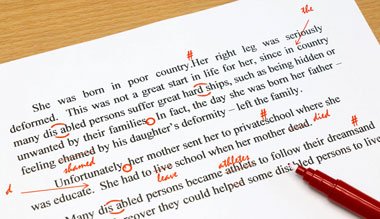

“As Soon as or as Early As? What’s the Difference? Many people learning English find phrases confusing when they appear in daily use and exams”
Many people learning English feel like it is a walk in the park, but they quickly stumble upon phrases like as soon as and as early as, turning it into a navigating maze where meanings look identical yet change course in a sentence while choosing different paths that seem to look the same but lead to different destinations often seen in English grammar courses. This creates real confusion for beginners and even seasoned speakers, making them pause and go into second-guessing, where a small trick of words can paint picture of time and expectations, and sometimes you think you have figured it out, but a curveball keeps you hooked till the end.
From my experience, I rely on rules, usage, writing, and speaking to build understanding of As Soon As and As Early As, focusing on tense, sequence, and earliest point to avoid common mistakes using a guide that breaks down examples and professional applications. This makes it easier to use correctly in any instance, while I remind myself during practicing to stay confidently natural when I apply it in professional communication for real benefits, using small attention to detail for mastering subtle meaning differences that enhances written English and spoken English, supported by a mental guide that stays simple, helping to quickly understand meaning, applications, and context in both casual and professional settings.
Understanding As Soon As vs As Early As in Simple Terms
Both phrases deal with time. But they focus on different ideas.
- “As soon as” = immediate action after something happens
- “As early as” = the earliest possible time something can happen
That’s the core difference.
Now let’s slow it down and make it clearer.
Think of it like this:
- “As soon as” is about sequence
- “As early as” is about starting point
One reacts. One schedules.
That difference changes everything.
Also Read This: Themselves vs Themself: Proper Usage, Grammar Rules
What “As Soon As” Really Means in Everyday English
“As soon as” connects two actions. It tells you that one action happens immediately after another.
It focuses on speed and reaction.
Core idea
You do something right after something else happens.
Simple structure
As soon as + event A, event B happens.
Examples you hear every day
- Call me as soon as you arrive.
- I’ll text you as soon as I finish work.
- She cried as soon as she heard the news.
Each sentence shows a trigger and an instant reaction.
Real-life feel
Imagine you are waiting for a food delivery. The moment it arrives, you open the door. That moment is “as soon as.”
It is fast. It is automatic. It is immediate.
Important grammar note
“As soon as” often introduces a dependent clause. That means it cannot stand alone.
- ❌ As soon as I arrived. (incomplete)
- ✔ I ate dinner as soon as I arrived.
What “As Early As” Actually Means
“As early as” does not focus on reaction. It focuses on time limits or starting points.
It tells you the earliest possible time something can happen.
Core idea
Something can happen at a minimum starting time.
Examples in real life
- You can check in as early as 3 PM.
- The store opens as early as 6 AM.
- Tickets are available as early as next Monday.
What it really communicates
It sets a boundary. It tells you the earliest allowed moment.
It does NOT mean you must act early. It only tells you that you can.
Simple analogy
Think of a movie theater. If doors open at 5 PM, you can arrive at 5 PM or later. If someone says “You can enter as early as 5 PM,” they give you permission for the earliest entry point.
That’s it. No urgency. Just timing rules.
As Soon As vs As Early As: Key Difference Explained Clearly
Let’s put both phrases side by side.
| Phrase | Meaning | Focus | Function | Example |
| As soon as | Immediately after an event | Sequence | Reaction | Call me as soon as you land |
| As early as | Earliest possible time | Timing limit | Permission | You can arrive as early as 7 AM |
Easy memory trick
- “Soon” = speed
- “Early” = starting point
If you remember that, you won’t confuse them again.
Real-Life Usage Examples of As Soon As vs As Early As
Let’s explore how these phrases appear in real situations.
Daily conversations
People use these phrases constantly without thinking.
- I’ll call you as soon as I get home.
- You can come as early as 4 PM.
One shows urgency. The other shows flexibility.
Workplace communication
In professional settings, precision matters more.
- Please send the report as soon as you finish it.
- Meetings can start as early as 9 AM.
Here, tone matters. “As soon as” pushes action. “As early as” sets boundaries.
Travel and bookings
Travel situations make this difference very obvious.
- You will get your boarding pass as soon as check-in opens.
- Hotel check-in is available as early as 2 PM.
Airlines use “as soon as” for processes. Hotels use “as early as” for timing.
Common Misconceptions About As Soon As vs As Early As
Many learners misunderstand these phrases. Let’s fix that.
Misconception 1: They mean the same thing
They don’t. One is reactive. One is structural.
Misconception 2: “As early as” means you should act early
Wrong. It only gives permission. It does not create urgency.
Misconception 3: “As soon as” is about time ranges
No. It is about immediate sequence, not range.
Misconception 4: You can swap them freely
That creates confusion.
- ❌ Call me as early as you arrive
- ✔ Call me as soon as you arrive
Subtle Grammar Insights Behind These Phrases
Now let’s go deeper.
As soon as grammar pattern
- It connects two clauses
- It requires a subject and verb on both sides
Example:
- As soon as I finished dinner I went to bed
As early as grammar pattern
- It modifies a noun or time phrase
- It often appears with numbers or time references
Example:
- Flights are available as early as 6 AM
Tense behavior
“As soon as” often uses present simple for future meaning.
- I’ll call you as soon as I arrive.
Even though “arrive” is future, we use present tense.
Why Context Matters in As Soon As vs As Early As
Context decides meaning.
Let’s compare:
Sentence 1
- I’ll call you as soon as I arrive.
This shows action dependence.
Sentence 2
- I can arrive as early as 8 AM.
This shows scheduling flexibility.
Now imagine swapping them:
- ❌ I can arrive as soon as 8 AM (incorrect meaning)
- ❌ I’ll call you as early as I arrive (confusing)
Context breaks or builds meaning.
Different Scenarios and Correct Usage
Let’s break it into practical categories.
Urgent actions
Use “as soon as”
- Send me the file as soon as possible
- Call me as soon as you see this
Schedules and planning
Use “as early as”
- You can book tickets as early as Monday
- Doors open as early as 5 PM
Conditional actions
Use “as soon as”
- As soon as it rains we will leave
- As soon as she calls we will start
Synonyms and Natural Alternatives
Sometimes you want variety. Here are natural alternatives.
For As Soon As
- Immediately after
- Right after
- Once
- The moment
For As Early As
- Starting from
- At the earliest
- No earlier than
- From as early as
Example swaps
- Call me as soon as you arrive → Call me the moment you arrive
- You can enter as early as 9 AM → You can enter starting from 9 AM
How “How Long” Differs from “As Early As”
These confuse learners too.
How long
Measures duration.
- How long will the meeting last?
As early as
Measures starting time.
- The meeting can start as early as 9 AM.
One measures time length. One measures earliest start.
Simple but powerful distinction.
Case Study: Real Communication Breakdown
Let’s look at a real-world scenario.
Situation
A company emails a client:
- “We will respond as early as possible.”
The client thinks:
- They might respond very quickly
But the company actually means:
- They will respond at the earliest allowed time in their workflow
Now compare:
- “We will respond as soon as possible.”
This clearly signals urgency and immediate action.
Lesson
Small phrasing differences affect expectations.
In business communication, this matters a lot.
Quick Practice Examples
Try these in your head.
Choose the correct phrase
- I will call you ___ I arrive.
✔ As soon as - You can enter ___ 3 PM.
✔ As early as - She left ___ she heard the alarm.
✔ As soon as - The store opens ___ 6 AM.
✔ As early as
Expert Grammar Tips to Master Both Phrases
Here’s how you can get it right every time.
- Ask yourself: Is this about reaction or timing limit
- If it is reaction → use “as soon as”
- If it is timing window → use “as early as”
- Replace phrase mentally with synonyms to test meaning
- Look at verb structure before choosing
A simple mental shortcut:
If something happens instantly after another → use “as soon as”
If something starts at the earliest point → use “as early as”
FAQs
1. What is the main difference between “as soon as” and “as early as”?
As soon as means something happens immediately after another action. As early as shows the earliest possible time something can happen.
2. Can I use both phrases in the same sentence?
Yes, but only if you clearly separate their meanings. They serve different time ideas, so mixing them needs clear context.
3. Which phrase is more common in daily English?
As soon as is more common in everyday speech because people often talk about immediate actions.
4. Is “as early as” formal or informal?
It works in both casual and professional contexts, especially when talking about schedules or start times.
5. How can I avoid mistakes between these phrases?
Focus on sequence for as soon as and earliest time for as early as. Practice helps build confidence.
Conclusion
Understanding As Soon as or as Early As? What’s the Difference? becomes simple when you focus on timing. As soon as connects actions in a direct sequence, while as early as highlights the starting point of time. Once you train your mind to separate immediate action from earliest possibility, your writing, speaking, and overall English communication becomes clearer and more natural in both casual and professional use.
About the Author